
How can color and treatment details clarify a black Akoya pearl necklace or black Akoya pearl strand described as a Japanese black pearl necklace? | Flint Jewelry
Begin by separating what a necklace is called from what its description actually explains. Black is a visual description, while Akoya refers to a pearl category; putting the words together does not answer every question about the pearls. The Akoya pearl necklace guide offers a starting point for comparison. For the necklace itself, look for distinct information about pearl identity, color and any treatment instead of relying on the title alone.
Geographic wording needs the same attention. A Japanese black pearl necklace name should not be read as proof of where every stage happened. Pearl cultivation, color treatment and jewelry assembly are separate matters. If an Akoya pearl necklace with a lighter appearance is also on your shortlist, ask parallel questions about both pieces. That makes your decision a comparison of clear descriptions, not a contest between evocative names.
Which color-origin details should you ask about when a black Akoya pearl necklace or black Akoya pearl strand is called a Japanese black pearl necklace? | Flint Jewelry
Ask what the seller means by black, whether the color has been treated and how any treatment is described. Follow that with a practical question about cleaning and wearing instructions for the particular necklace. Request a written explanation with the purchase description if these details matter to your choice. A photograph can show an appealing dark effect, but it cannot independently answer how that color came about.
In Irradiated and Dyed Akoya Pearls, GIA documented examined Akoya pearls with irradiation treatment and identified dyeing in some samples as well. The case gives a concrete reason to ask about color origin separately from a dark appearance. It is not evidence that every black Akoya strand has the same treatment, and it does not identify an individual necklace from a photograph. Ask for the color-origin and treatment description of the piece you are considering, rather than treating the word black as confirmation of naturally black color.
Distinguish the main color from changing reflections
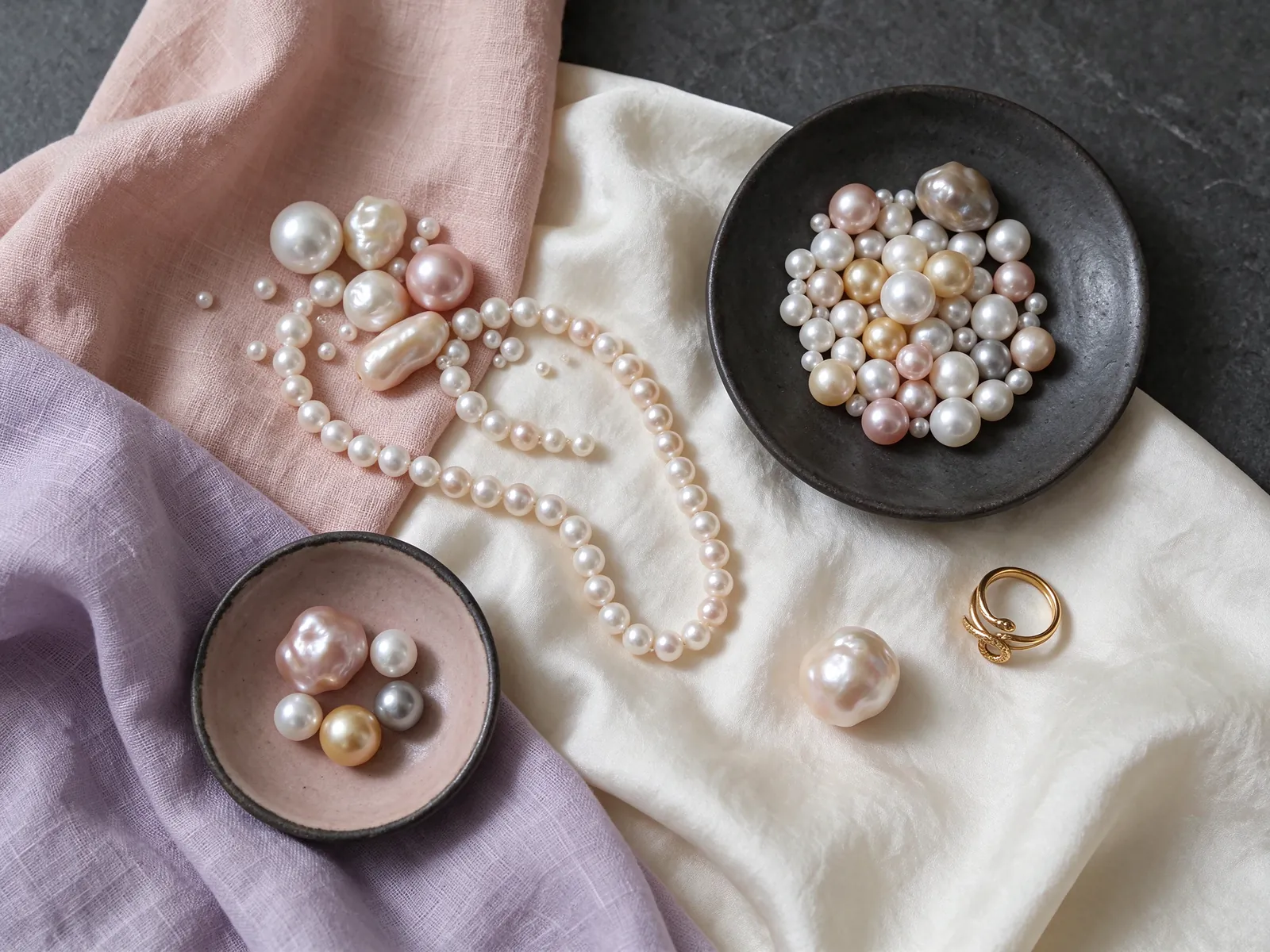
GIA describes bodycolor, overtone and orient as different color components, and explains that not every pearl has all three. Use that distinction when examining a dark strand. A bright reflection is not a complete description of its bodycolor, and a hint of another hue is not enough to identify the pearl type. View the necklace in soft daylight as well as the indoor light you regularly use, deciding whether each appearance works for you.
Comparing a gray Akoya pearl necklace can help you understand whether you prefer strong contrast or a softer dark-toned effect. Put the same shirt or sweater behind each option rather than comparing unrelated styled pictures. Against light fabric, the strand may read as a clear outline; against dark fabric, its reflections may become the feature you notice first. These are wardrobe preferences, not automatic quality rankings based on how black something looks.
Which image details deserve a second look?
Before choosing the darker of two pictures, compare exposure, background and the direction of the light. A shadow-heavy image can conceal surface detail, and glare can make texture difficult to see. Ask for a view of the complete strand as well as close-ups under comparable conditions. Moving views can help you understand reflections, but neither still nor moving images establish color treatment or geographic origin.
Make matching and luster part of the comparison
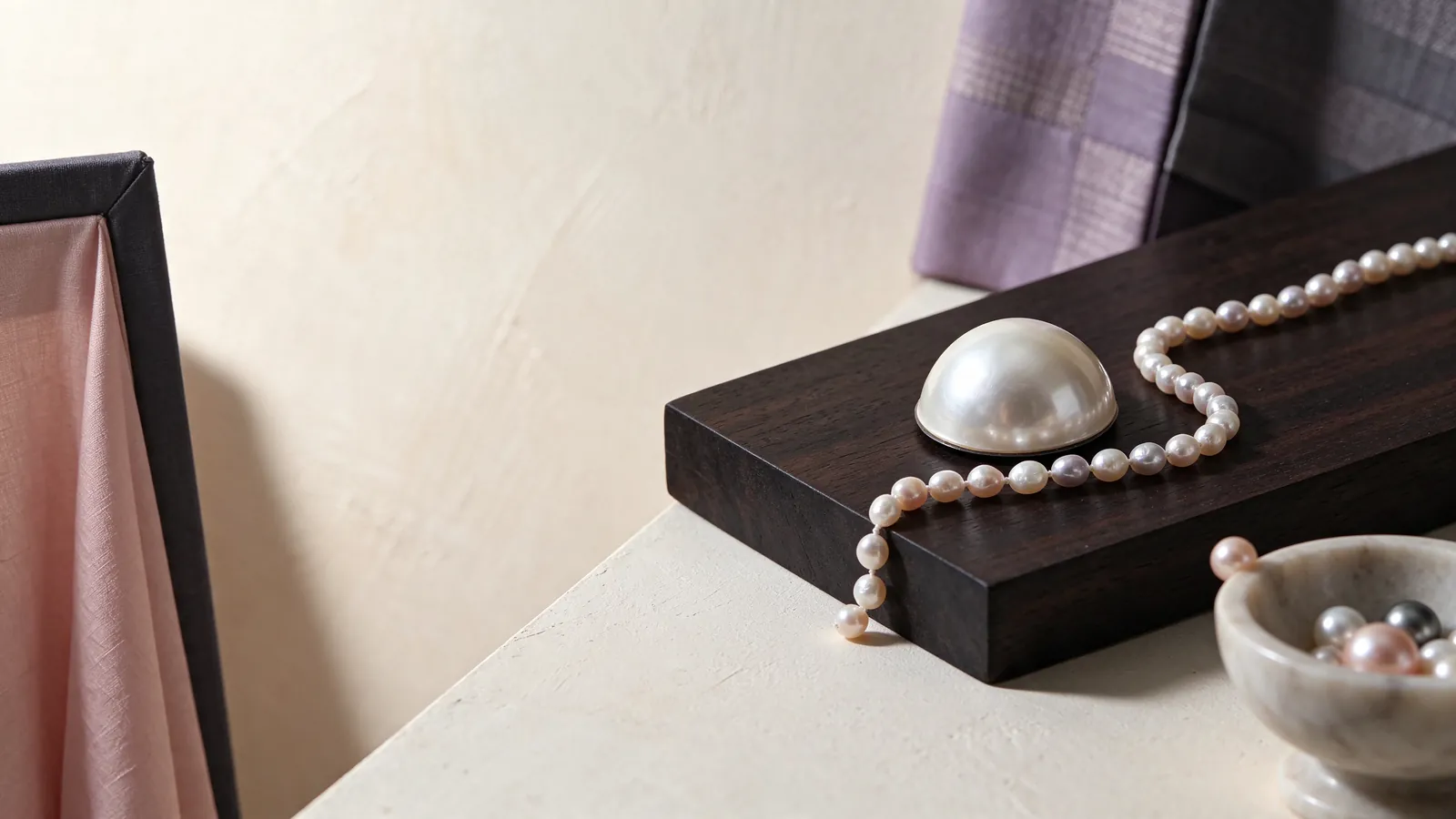
Color is only one of GIA's seven pearl value factors, alongside size, shape, luster, surface quality, nacre quality and matching. Look from one end of the strand to the other and notice how the pearls work together. Do certain reflections or outlines stand out unexpectedly? Does the sequence create the balance you want? A particularly dark pearl cannot tell you the nacre quality of the necklace, and a beautiful close-up cannot summarize whole-strand matching.
When a Tahitian pearl necklace appears among your alternatives, keep its stated identity separate from the shared dark appearance. Similar color does not make the names interchangeable. After understanding each description, consider the design intention: some wearers want a calm, consistent line, while others enjoy visible variation. Assess matching against that preference, and compare the necklace as worn rather than assuming every pearl must look identical in every photograph.
How can you evaluate a noticeable surface feature?
Look at where the feature falls on the worn strand and whether it interrupts the overall effect that attracted you. Surface quality matters, but it should be considered with luster and matching rather than in isolation. View the area in lighting that shows detail clearly. A mark hidden by a dramatic dark background may be more noticeable in everyday wear, so make the decision using the complete visual picture.
Fit the necklace to the clothes you actually wear
Rather than starting with a length name, start with the place you want the strand to rest. Try the neckline of a familiar T-shirt, a button-front shirt and a jacket. Check whether the pearls sit on skin, meet the collar or lie over fabric. Neck shape, the construction of the strand and the clasp can affect the result, so the same nominal length need not create the same visual position for everyone.
A single strand pearl necklace gives you one main curve to work with. You can sketch that position with a flexible cord or soft tape before trying jewelry, but the mock line will not reproduce the pearls' weight or drape. During a fitting, move naturally: sit down, turn your head and add the outer layer you usually wear. A necklace that looks balanced in a still mirror pose may interact differently with a moving collar.
What should you check with open and high necklines?
For an open shirt, change the upper button position and see whether the pearl curve works with the shape of the opening. For a high-neck sweater, pay attention to the fabric texture and how the strand settles over it. The goal is not to copy the exact position in a styled photograph. It is to find a placement that remains visually clear and comfortable with your own outfit.
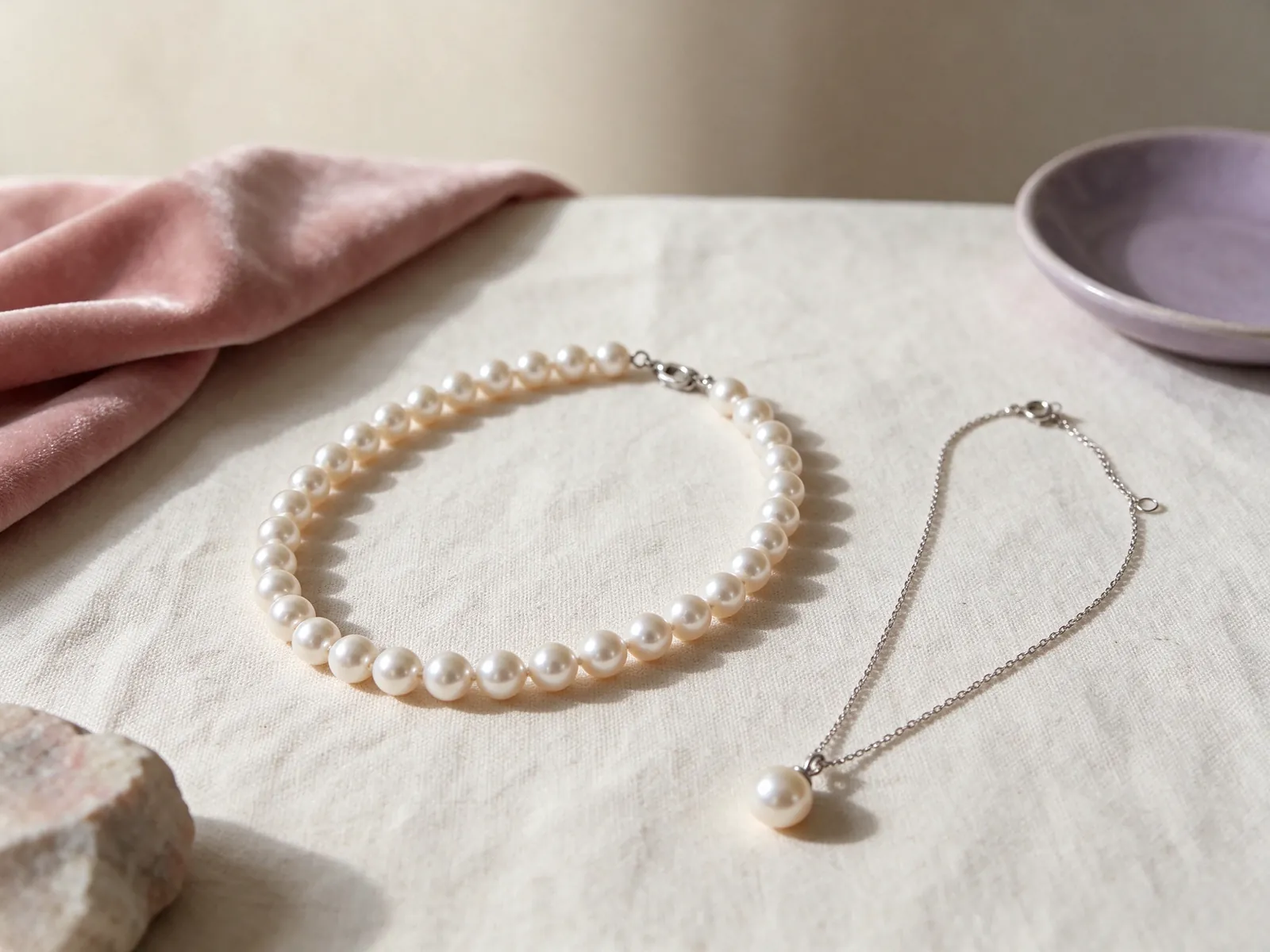
Decide whether the strand should contrast or blend
Light clothing offers a straightforward way to emphasize a dark necklace's outline. With a black top, examine whether luster makes the pearls distinct from the material. A textured sweater and a smooth blouse may create very different backgrounds even when their colors are similar. If the outfit includes a pronounced collar, bright hardware or a busy pattern, simplify other neck accessories before deciding whether the strand has enough visual space.
A multicolor pearl necklace offers a different styling question: would you enjoy alternating tones more than a single dark line? Compare the rhythm of the entire piece, not just the most colorful pearl. When adding earrings, begin with their silhouette and visual weight. A coordinated look does not require identical names, and similar wording does not establish that separate pieces share the same pearl identity or color information.
How can you judge the balance beyond a close-up?
Step back from the mirror or take a full-outfit photograph. This helps show whether the necklace is the focal point you intended or competes with earrings, lapels and other details. Repeat the exercise with an everyday outfit and the clothes you would wear to dinner. A dark strand is not restricted to formal dressing, but the appropriate balance depends on the actual neckline and setting.
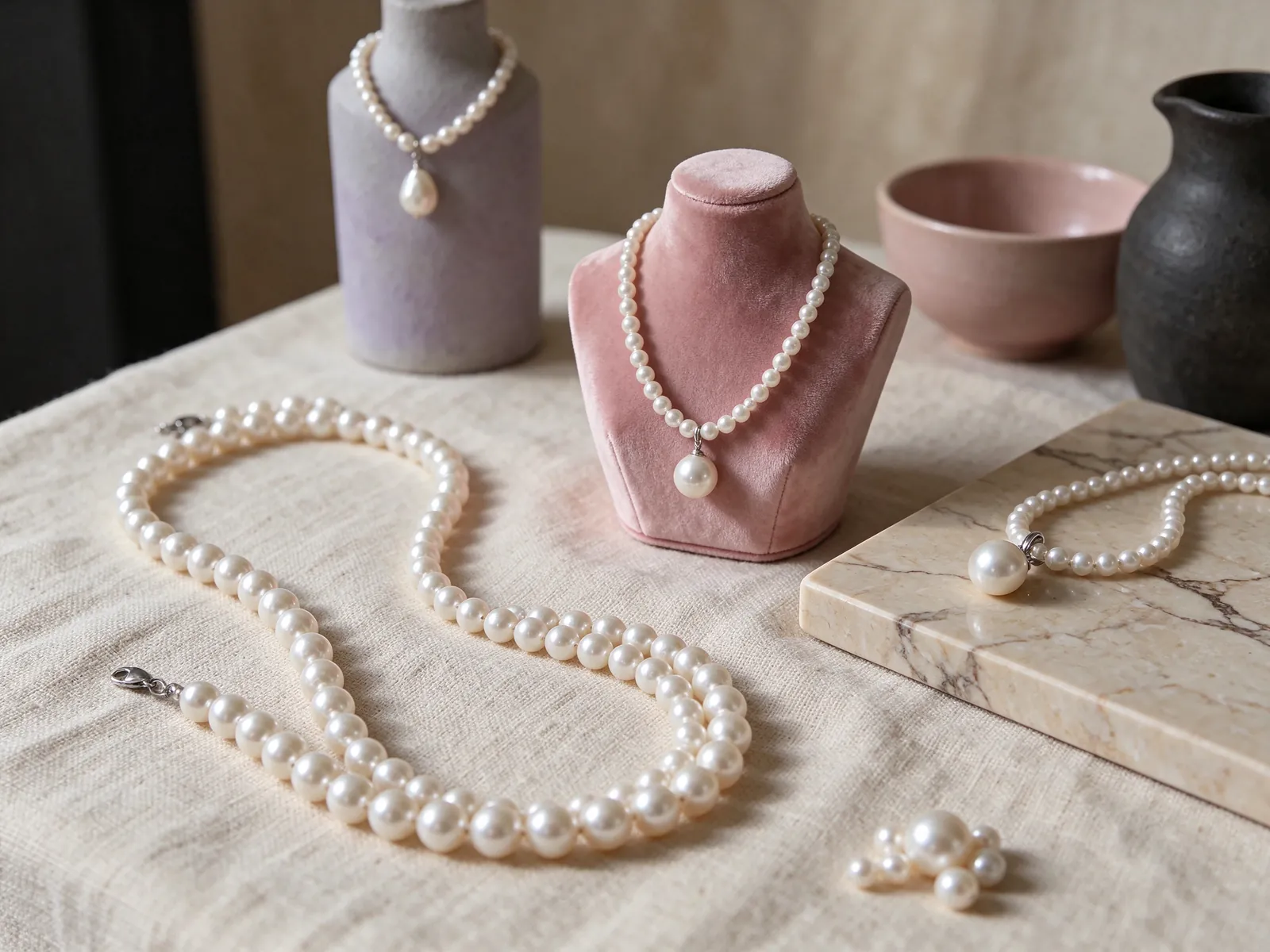
Keep the care routine gentle regardless of color
GIA places pearl at 2.5 on the Mohs hardness scale and says pearls should never be cleaned in ultrasonic or steam cleaners. A dark-looking surface is not a reason to treat the necklace as abrasion-resistant. Wipe it after wearing with a very soft, clean cloth, and prevent other jewelry from rubbing against it in storage. If treatment is described, include those particular care instructions in your routine instead of assuming all dark pearls behave alike.
Avoid acids, perfume, hair spray and excessive heat, as advised by GIA. Finish applying fragrance and hair products before putting on the necklace, then place it on a clean surface when you remove it. If a strung necklace is cleaned using water, let the string become completely dry before wearing it again. Looking only at the pearl surfaces can miss the condition of the string, so do not rush that step.
What needs attention before the next wear?
Inspect for obvious string wear, unusual looseness and a clasp that fails to close normally. If something looks wrong, stop wearing the piece and find out the appropriate next step rather than pulling on it to test its strength. Consider the clasp and any other components as well as the pearls when reading care directions; one cleaning approach is not automatically suitable for every part of a necklace.
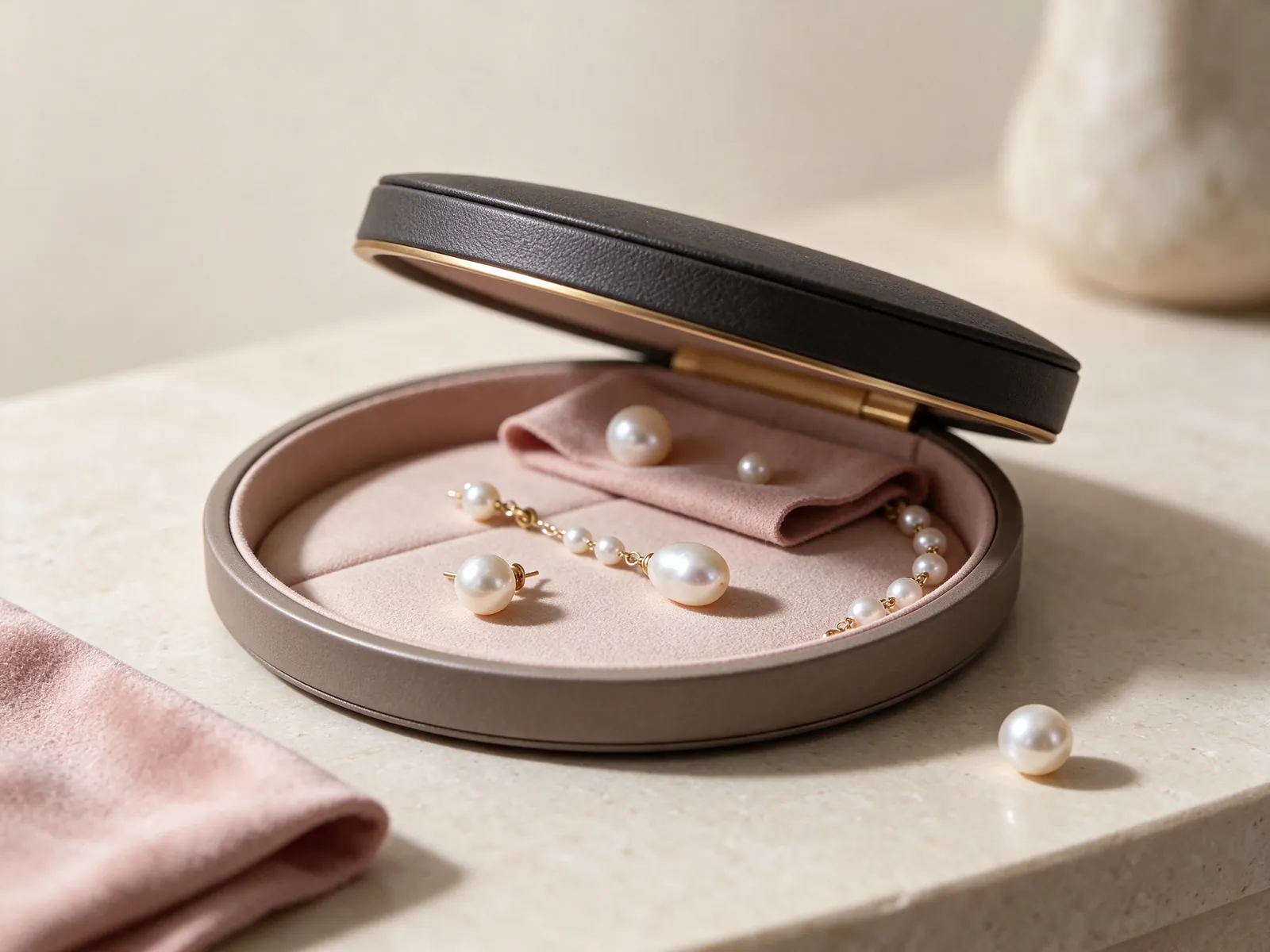
Create a decision note that goes beyond the word black
Before making a choice, write down the pearl description, the explanation of color and treatment, your observations of luster and matching, and the position that works with your clothes. This turns a broad preference into a useful comparison. Rather than recording only darker or shinier, note what you liked in daylight, which collar you tried and whether the strand still felt balanced when seated. Those details reveal what will matter in regular wear.
Use the pearl necklace length guide to describe a preferred position more clearly. Do you want the strand above your shirt collar, against the skin or over a sweater? Save a photograph of the neckline you wear most, and note how a jacket changes the available space. These details are more useful during a fitting discussion than a length label by itself. If you later coordinate earrings or a bracelet, read their own pearl and color descriptions independently instead of assuming they share the necklace’s identity or treatment.
How should a gift choice start?
Learn about the recipient's normal necklines, preferred clothing colors and interest in pearl strands before choosing a dark option. Wearing black often does not necessarily mean wanting black jewelry; the recipient may prefer a contrasting accessory. Ask about the intended occasion and where they like a necklace to sit. These personal details guide a more useful choice than treating your own favorite shade as a universal preference.
Ready to discuss a dark pearl look that works with your wardrobe? Contact Flint Jewelry on WhatsApp with the necklace wording you want to understand, your color-treatment questions and a preferred wearing position. Let us know whether you are exploring a necklace for yourself or a gift and which necklines you wear most often. A specific question about the description or fit is a useful starting point for your pearl selection conversation.
| Decision area | Practical check | Why it matters when worn | Avoid this assumption |
|---|---|---|---|
| Pearl description | Read pearl category and geographic wording separately | Compare like descriptions before styling | A geographic name proves every production stage |
| Color appearance | Use similar backgrounds and more than one light setting | See whether you prefer contrast or reflection | A dark picture proves untreated color |
| Strand balance | Inspect luster, outlines and transitions across the necklace | Judge the complete visual rhythm | The darkest pearl defines overall quality |
| Wearing position | Test familiar collars and natural seated movement | Keep the curve clear and comfortable | One length label fits everyone identically |
| Handling and care | Use gentle wiping and dry wet string fully before wear | Protect the pearls and the assembled strand | Dark pearls can be steam or ultrasonic cleaned |
Pearl knowledge and authoritative references
GIA describes seven pearl value factors: size, shape, color, luster, surface quality, nacre quality and matching. A dark color description cannot stand in for assessment of all seven.
Read the reference for this factFrequently asked questions
Is a Japanese black pearl necklace label enough to confirm where it was made?
No. Pearl cultivation, treatment and jewelry assembly are distinct questions. Ask how each relevant geographic detail is described rather than interpreting one word as proof of all production stages.
Are black Akoya and Tahitian names interchangeable?
No. A shared dark appearance does not make pearl descriptions interchangeable. Compare each necklace's stated pearl identity, then assess color and styling as separate parts of your decision.
Should the darkest strand always be my first choice?
Not necessarily. GIA's value factors include luster, surface quality, nacre quality and matching as well as color, size and shape. Choose based on the whole strand and the appearance you enjoy with your wardrobe, not darkness alone.
Can a fitted sweater change how the necklace looks?
Yes, the neckline, fabric texture and background color can change the visual balance. Try the strand with the actual sweater, including your normal outer layer, and look at the complete outfit rather than only the pearls.
What if the clasp seems loose before I wear the necklace?
Stop and check the appropriate care or servicing guidance for that piece instead of pulling on it or wearing it as usual. The clasp, string and pearls need to be considered together when assessing whether the necklace is ready to wear.
Updated: