
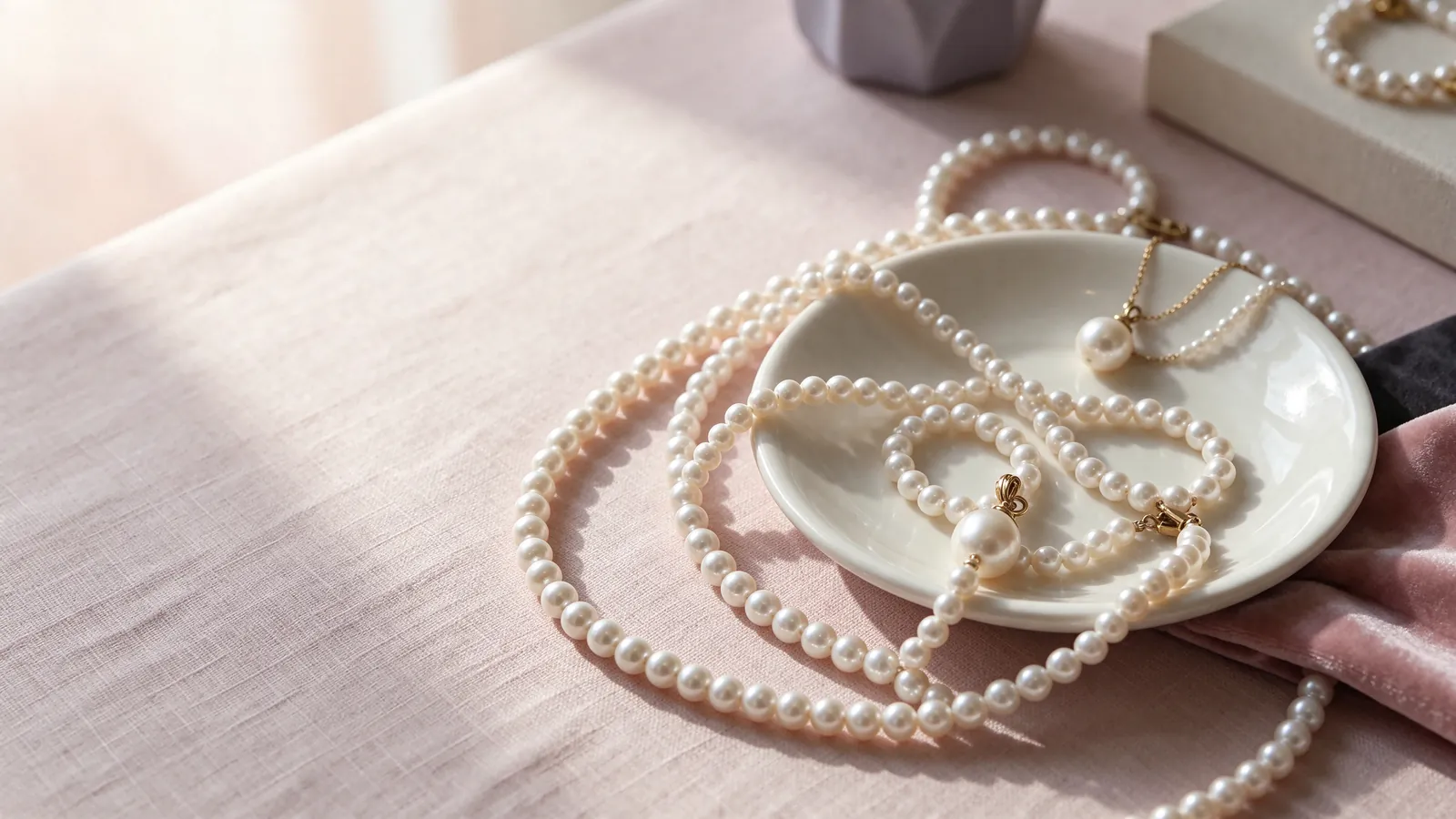
Flint Jewelry: how do color and length shape a Tahitian pearl necklace, a Tahitian black pearl strand or a black Tahitian pearl necklace?
Begin with a familiar shirt or sweater and ask where you want the necklace to draw attention. A curve near the base of the neck frames a different area from one resting lower on the chest. Pearl contours, visual weight and the width of the neckline all contribute to that impression. Treat the listed length as a starting measurement, not a promise of how the strand will fit you.
Decide whether the necklace should sit on exposed skin or become a line over your clothing. A strand that straddles the collar edge may be partly hidden or shift as you move. For a less substantial visual effect, consider the proportion ideas in a small pearl necklace guide. That comparison is about styling; the name of a pearl type does not establish a particular diameter.
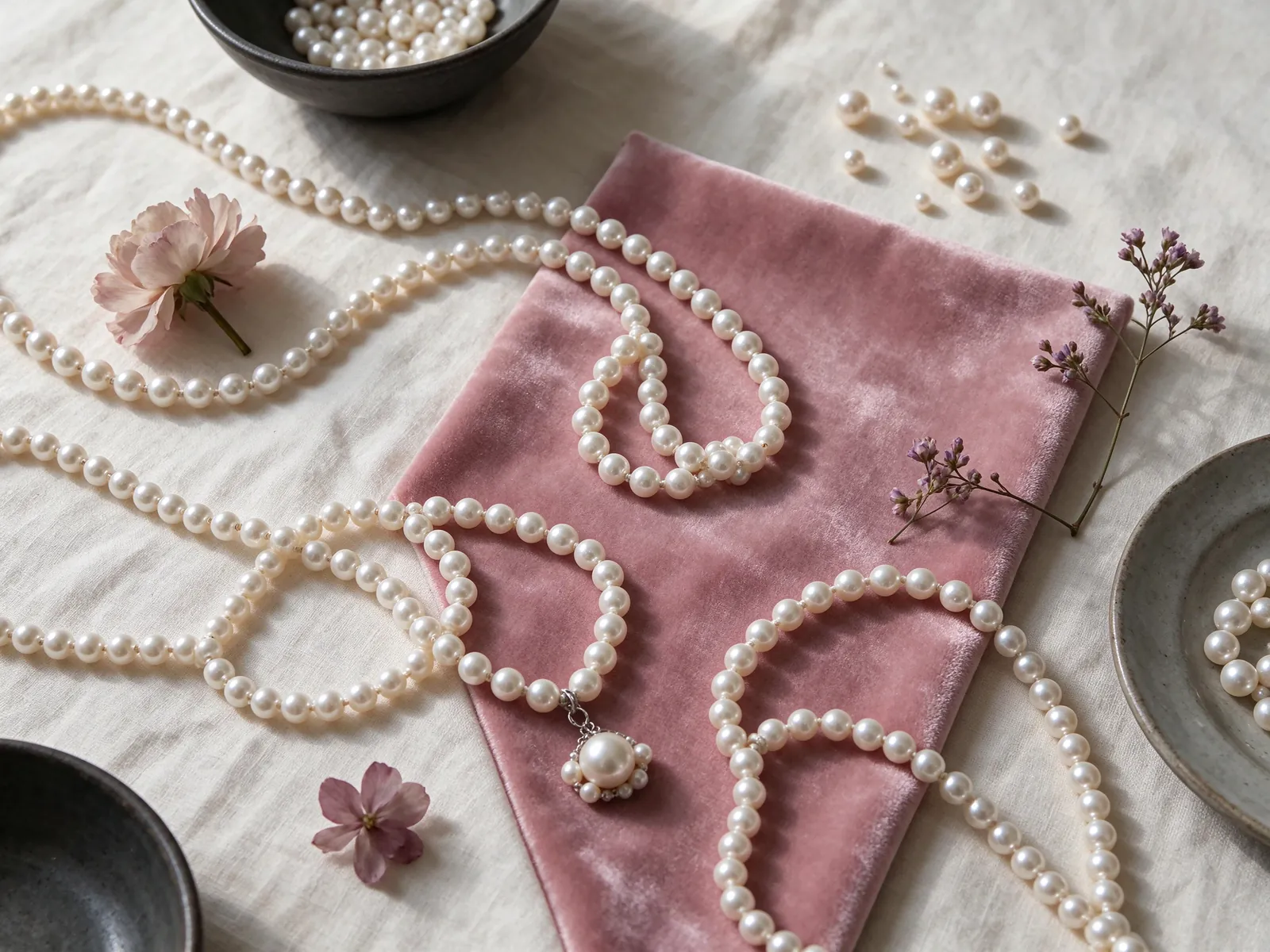
Flint Jewelry: how do neckline and lighting affect a Tahitian pearl necklace, a Tahitian black pearl strand or a black Tahitian pearl necklace?
Try an open collar and a closed neckline, then repeat the comparison in soft daylight and your usual indoor light. Light fabric can clarify the silhouette, while dark fabric may make reflections more important. Photograph the same angle at a similar distance if that helps you decide. Also look while seated and after turning your head, since a necklace is worn in motion rather than as a still image.
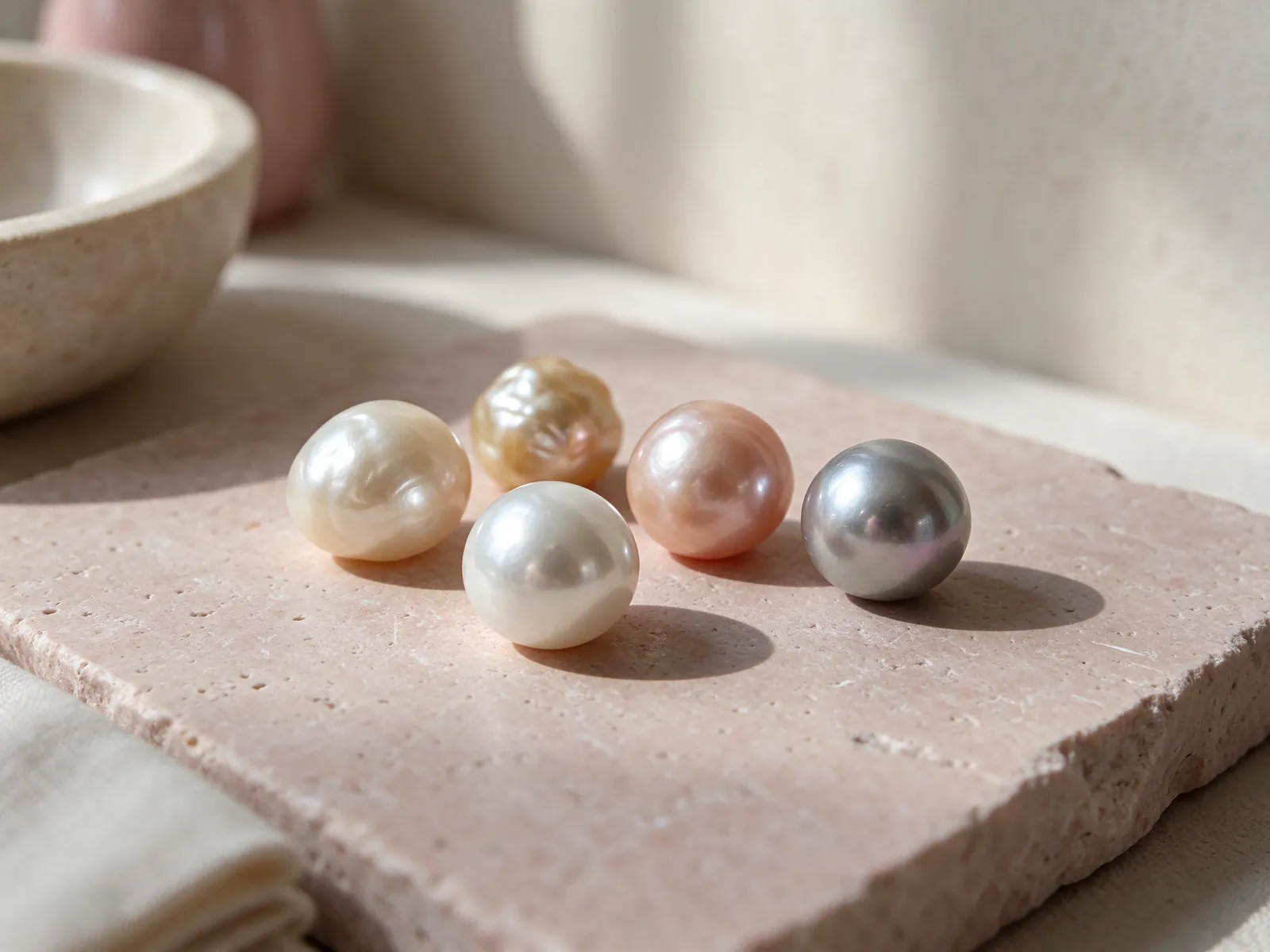
Find the color effect you like without chasing the darkest photograph
GIA describes Tahitian cultured pearls as saltwater cultured pearls grown primarily around the islands of French Polynesia. Sometimes called black pearls, they may be gray, black or brown and can have blue, green, purple or pink overtones. A Tahitian pearl necklace does not need to meet a uniformly jet-black style ideal. This general background explains the name; read the identity and treatment description of the specific necklace independently.
Separate the dominant color from additional surface color impressions and from the way light reflects. GIA describes bodycolor, overtone and orient as distinct components, while noting that every pearl does not show all three. These terms help explain what you are seeing. They do not mean that an extra color effect automatically makes a necklace the right choice for your wardrobe.
Look along the entire curve before concentrating on one pearl. You may prefer a close family of tones or a more visible sequence of changes; either can be a deliberate style choice. The background discussion in what are Tahitian pearls can help with terminology. Return to the necklace itself to decide whether its actual color transitions create the overall effect you want.
Use highlights to observe, not to hide the rest of the pearl
A strong reflection can dominate a close-up and make surrounding detail difficult to judge. Change the viewing angle slightly and follow the reflections across several pearls, including less brightly lit areas. Neutral backgrounds are more useful than highly colored ones for this comparison. Unfiltered photographs help narrow preferences, but seeing the strand against your own clothing remains a separate and valuable check.
Decide how much shape variation should lead the design
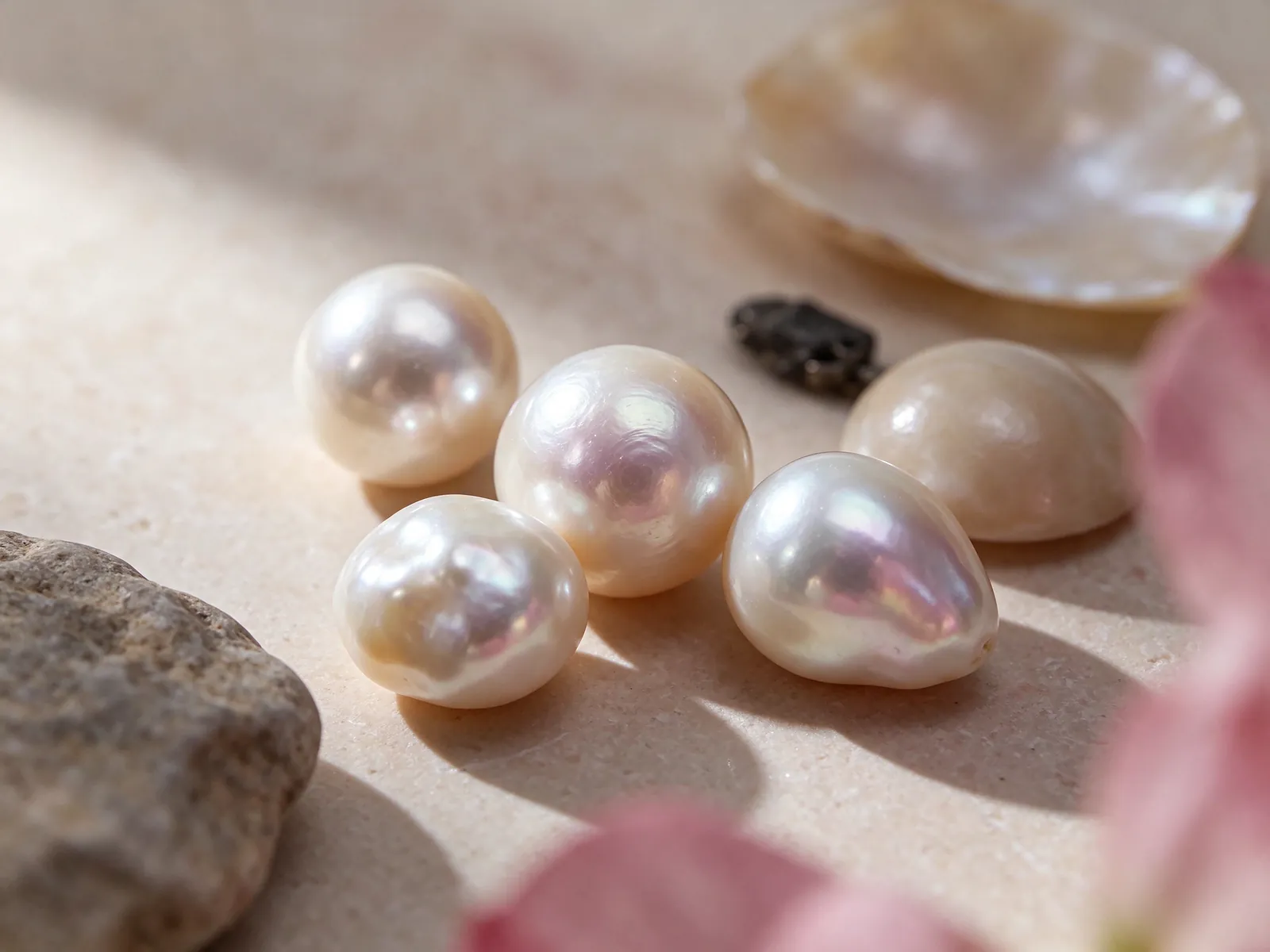
A necklace can read as one flowing line or as a sequence of individual contours. Similar outlines often let the eye follow the curve, while more pronounced shapes introduce pauses and focal points. Start by deciding which character you enjoy. Then assess surface appearance, luster and the relationship between neighboring pearls rather than assuming that your preferred shape is also a complete quality judgment.
A baroque pearl strand necklace offers a useful direction to explore if you like sculptural outlines. On a try-on, notice whether projecting areas meet the collar or whether a pearl rolls to a different face. The central arrangement and the transition toward the clasp both matter. An orderly flat layout may settle differently once the necklace forms a curve around the body.
Assess the strand from normal distance before examining small marks
GIA's seven pearl value factors include matching, which directs attention to how pearls work together in one piece. Start at a normal viewing distance, then examine visible pits or texture more closely. A feature's position, lighting and neighboring pearls affect its visibility. Both the close view and the full-strand view are useful; neither should completely replace the other when you compare designs.
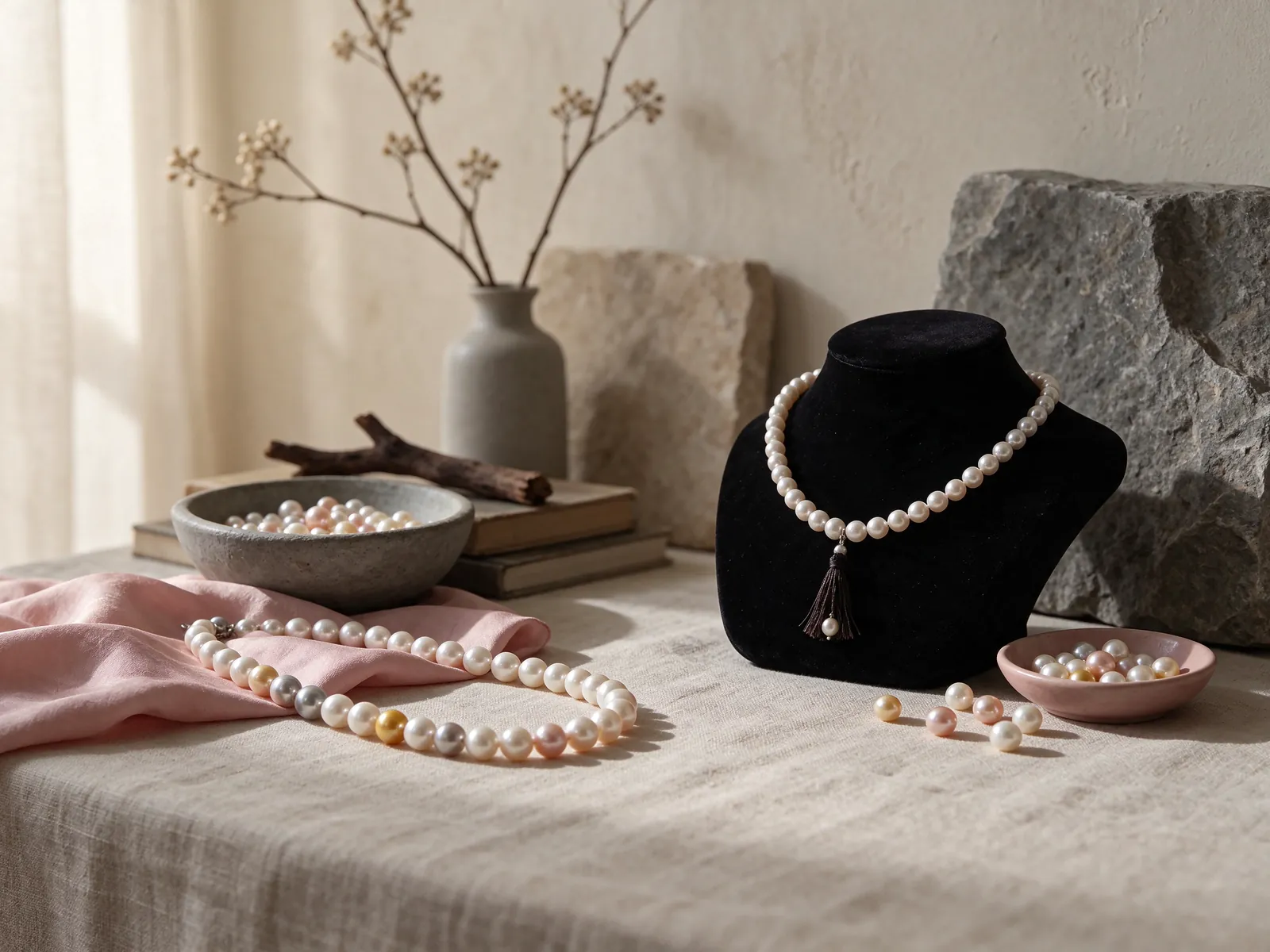
Check the resting position, movement and fastening as one fit decision
A soft measuring tape following your preferred curve, or an existing necklace with a comfortable position, can give you a practical reference. Your neck circumference, shoulder line and the thickness of the outfit will affect the final look. Try breathing normally, looking down and turning your head. A necklace chosen to sit close should still allow comfortable everyday movement rather than being selected simply because it is tight.
Establish one clear resting line using the styling principles of a single strand pearl necklace before experimenting with layers. When you add another piece, check that each has its own visible position. Watch for tangled clasps and for harder jewelry elements rubbing against pearl surfaces. Testing one addition at a time makes it easier to identify which combination works and which introduces awkward contact.
Try the closure with your own hands
Open and fasten the clasp to learn whether its action feels manageable, then check for catching on hair or the collar. Observe the spacing and any knots without assuming a construction method from the front photograph. Loose or worn string and an unusual clasp action deserve attention: stop wearing the piece and have an appropriate jewelry professional inspect it rather than continuing to test it through use.
When discussing clasp materials, organize your preferences around 18K 750 white gold, 18K 750 yellow gold, 18K 750 rose gold, PT950 platinum and PT900 platinum, then read the description of the individual piece. Compare the metal color with your clothes and test the fastening action. A preferred metal color alone does not establish whether a particular clasp shape is easy for your hands to use.
Give the dark strand a place in everyday outfits
With a button-down shirt, an open neckline may show the full curve more clearly than a partly hidden arrangement under the collar. For sweaters, compare fabric texture as well as color. A chunky knit already creates visual weight, while a finer surface may leave pearl reflections more noticeable. Patterned clothing can work too, but try reducing other neck-area details so you can judge the strand without competing focal points.
For a dressier look, make the necklace the main detail near the neckline and keep nearby accessories restrained. Dark-on-dark styling does not have to disappear if the curve and reflections remain readable. Warm ivory and pale pink are alternatives to a crisp white background. Choose according to the clothes you enjoy wearing, rather than reserving the necklace for one dramatic photograph or a single formal occasion.
Choose a gift around habits, not just a favorite color
Notice the recipient's usual collars, the positions of necklaces they already wear and whether they value a simple fastening action. A few everyday outfit photos can make these preferences easier to discuss. Keep the written description of pearl identity, any stated treatment and metal information with the gift. These details help the recipient understand the jewelry independently of the color and styling that first attracted you.
Read the identity details independently of the black appearance
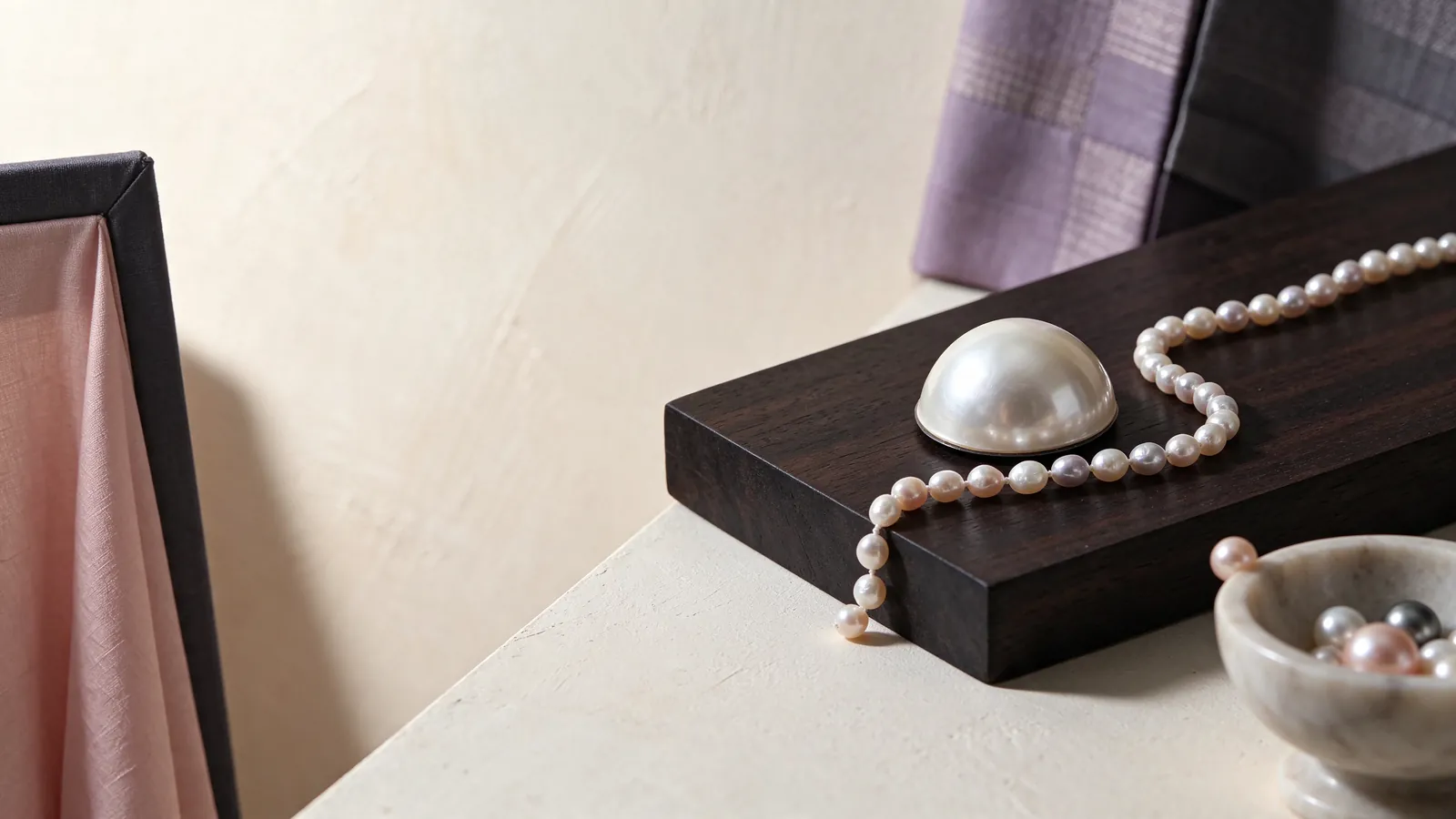
A dark surface is not evidence of a particular pearl type, natural-versus-cultured identity or treatment status. Separate those descriptions from statements about shape, color and metal. Black pearl is a broad appearance-based phrase, not an answer to every identity question. When a testing document is available, read what item it describes and what characteristics it covers instead of assuming it establishes every possible feature.
A black Akoya pearl necklace may also interest someone looking for a dark strand, but visual similarity does not make its identity or treatment information interchangeable. If you consider a South Sea pearl necklace, compare the actual color and silhouette against the same outfit rather than assigning a size to its name. Read each piece's descriptive information on its own terms.
Ask questions that distinguish style from description
Write down the neckline, resting position and color arrangement you prefer, then ask separately about pearl identity, treatment description, clasp and string. This prevents one attractive photo or grading letter from standing in for all the information you need. Comparing the answers side by side is more useful than assuming the darkest strand is the most valuable or that a name guarantees a particular look.
Make gentle care part of the purchase decision
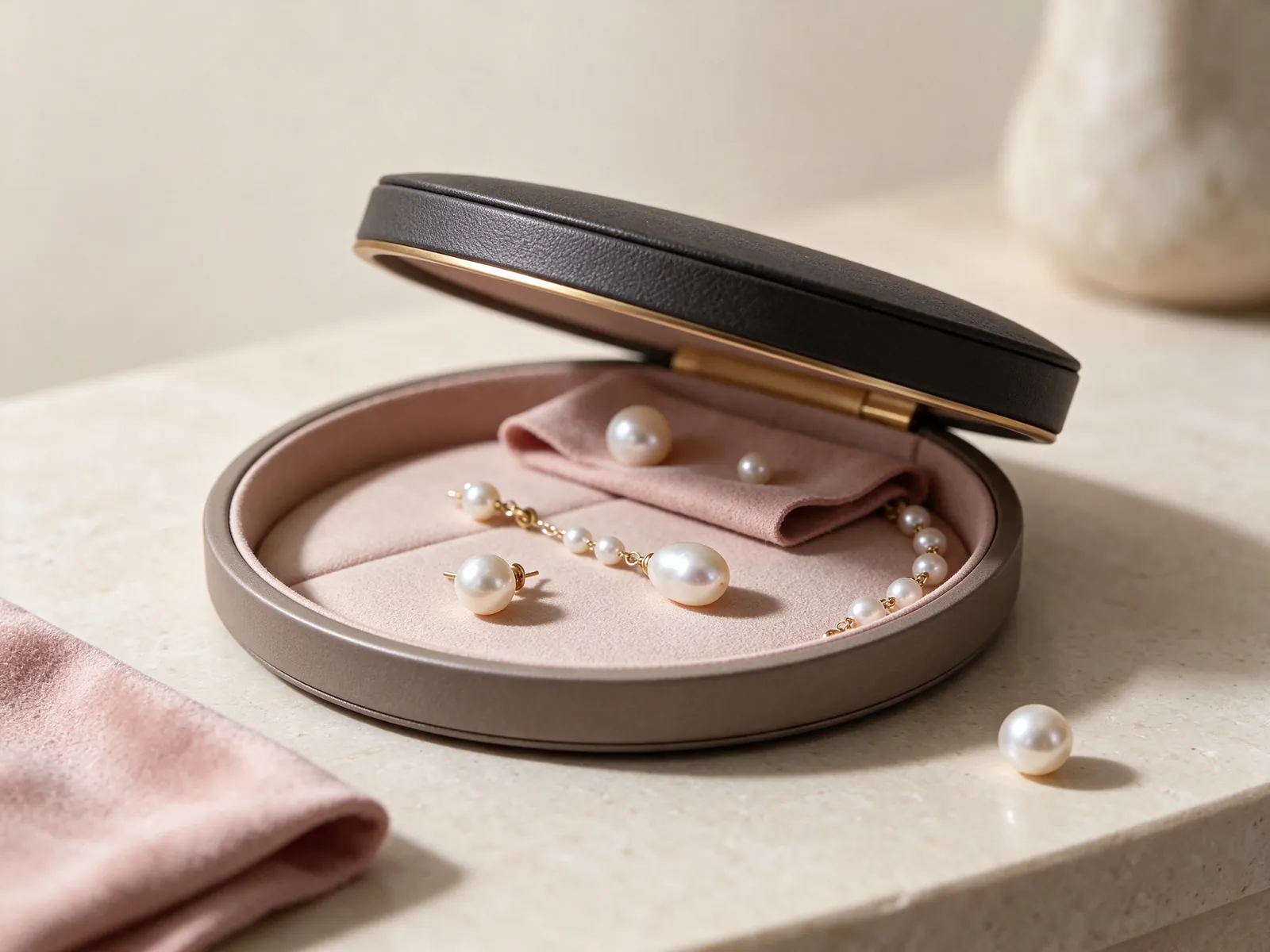
GIA ranks pearl at 2.5 on the Mohs hardness scale. Store a strand apart from harder jewelry so the surfaces do not rub together, and wipe it gently with a very soft, clean cloth after wearing. Avoid acids, perfume, hair spray and excessive heat. Put the necklace on after grooming and fragrance application to reduce direct contact, rather than assuming a dark appearance gives it extra resistance.
Pearls should never go into ultrasonic or steam cleaners. GIA also notes that a string cleaned with water must be completely dry before the necklace is worn again. The outside of a pearl can look dry while the string still holds moisture. Observe the clasp and string during ordinary handling, and consider whether this gentle routine fits your habits before choosing a strand for frequent wear.
Bring the final choice back to your own wardrobe
Set a try-on photograph with your most common neckline beside your notes on color, shape and fastening. Add the written pearl description as a separate part of the comparison. When two styles appeal equally, the one that sits comfortably and works with more familiar outfits may be easier to enjoy. A Tahitian black pearl strand can make a personal statement without vague labels or inflated promises.
To discuss how a dark strand could work with your wardrobe, contact Flint Jewelry on WhatsApp at +85260106207. Share a neckline you often wear, your preferred necklace position and the color effects you like. Keep the styling conversation alongside the written jewelry details so the visual choice and the description remain clear.
| Focus | Look for | Clothing test | Movement or handling test | Separate information |
|---|---|---|---|---|
| Color arrangement | Dominant color and transitions along the curve | Compare light fabric and a tonal dark outfit | Repeat in daylight and indoor light | Pearl identity and treatment are not determined by color |
| Pearl contours | Focal points and transitions on both sides | Check whether contours meet the collar edge | Watch the strand settle as you turn | Shape preference is not a complete quality assessment |
| Resting position | The actual curve on your body | Try on skin and over fabric | Sit, look down and breathe normally | Listed length does not guarantee personal fit |
| Closure and string | Fastening action, spacing and condition | Check hair and collar contact | Open and close it yourself | Read construction and maintenance descriptions |
| Care routine | Gentle wiping with a very soft clean cloth | Keep perfume and hair spray off the pearls | Store apart from harder jewelry | GIA ranks pearl at Mohs hardness 2.5 |
Pearl knowledge and authoritative references
GIA identifies seven pearl value factors: size, shape, color, luster, surface quality, nacre quality and matching. For a necklace, matching helps you consider the relationship among multiple pearls, not just the appearance of a single pearl.
Read the reference for this factFrequently asked questions
Is the darkest Tahitian pearl necklace always the best style choice?
No single darkness level suits every wardrobe. Look at the complete color arrangement, reflections and outline against your clothes. A dark appearance also does not establish identity or treatment, so read those descriptions separately from your style preference.
Can I layer a dark pearl strand with another necklace?
Try the strand alone first, then add one piece with a distinct resting position. Check for clasp tangling and harder jewelry elements rubbing the pearls. A combination that looks separated in a photograph should also stay comfortable when you sit and move.
Why does the same strand look different with different shirts?
Background color, collar shape and fabric texture change how clearly you see the outline and reflections. Compare familiar light and dark tops in the same lighting, then repeat under another light setting to distinguish outfit effects from the strand's overall appearance.
What should I ask before choosing a dark pearl necklace as a gift?
Ask about the recipient's usual neckline, preferred necklace position and ease of fastening. Separately read the pearl identity, treatment and metal descriptions. These practical details are more informative than knowing only that the recipient likes black.
Can I wear a freshly cleaned strung necklace as soon as the pearls look dry?
Not if the string was cleaned with water and is still damp. GIA advises waiting until the string is completely dry before wearing. Pearls should also never be cleaned in ultrasonic or steam cleaners.
Updated: