
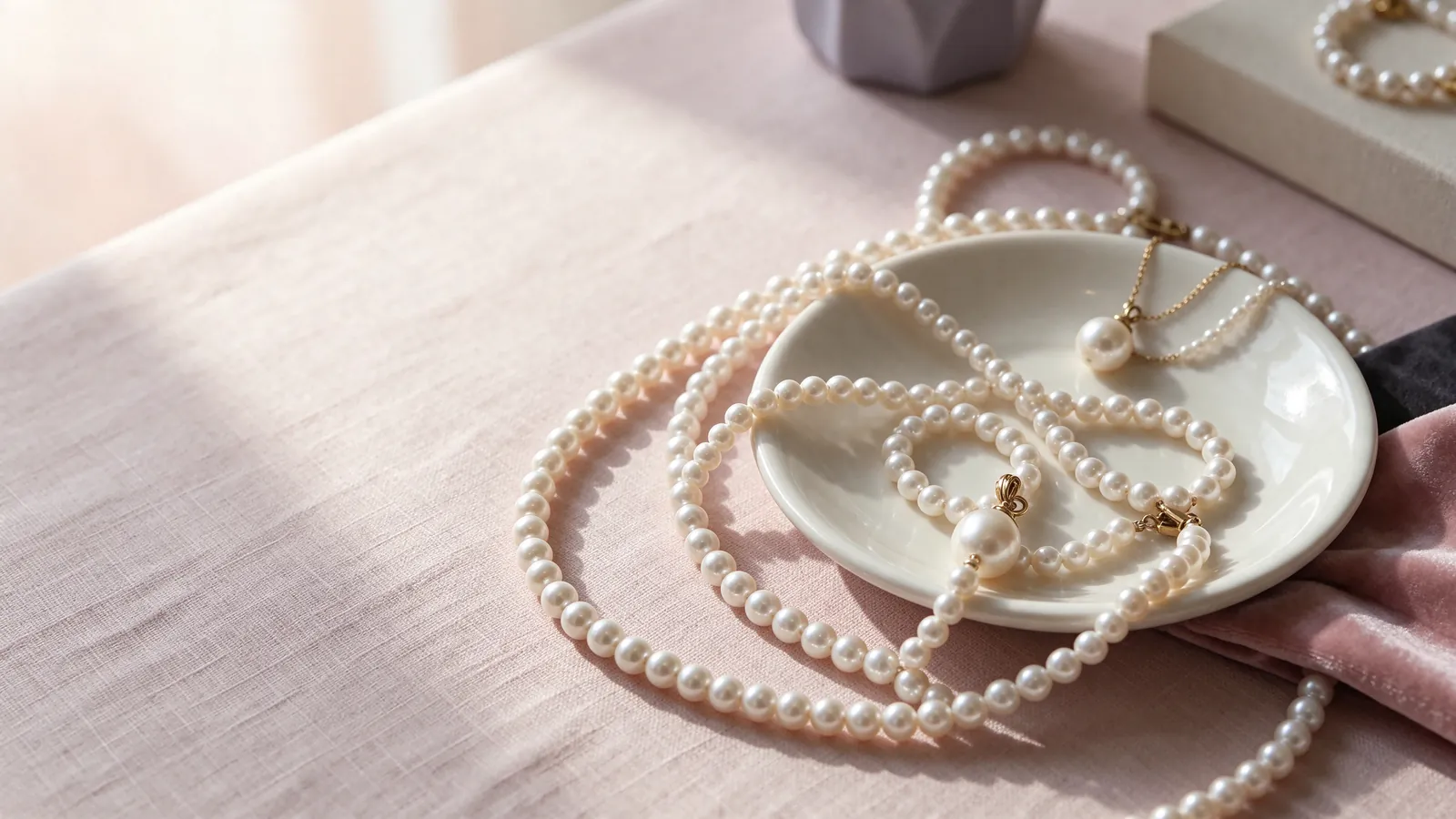
How Should a freshwater pearl necklace Sit at Your Neckline? Finding the Right Position for a freshwater pearl strand necklace | Flint Jewelry
Choose a familiar top before comparing necklaces. With a scoop or crew neck, decide whether the pearls should frame exposed skin or sit deliberately over the fabric. A strand that rests exactly on a shifting shirt edge may look different every time you move. For a V-neck, look at how the curved strand relates to the diagonal lines without assuming they must follow one another.
Use a single strand pearl necklace to establish your preferred outline before testing more complex combinations. The same stated length can produce a different position depending on neck shape, pearl proportions, the clasp and clothing thickness. Look at the entire outfit from a normal viewing distance. A flattering close-up is useful, but it does not tell you whether the necklace has the presence you want with a jacket.
When Trying a freshwater pearl necklace, How Can You Check the Drape and Layering Space of a freshwater pearl strand necklace? | Flint Jewelry
Check the necklace standing, seated and with a gentle turn of the head. Notice whether the center stays balanced and whether the fastening moves into view. Add any planned second necklace during the fitting. Watch what happens when you lean toward a desk or lift your arms: layers that look separate at rest may still catch or crowd the collar during ordinary movement.
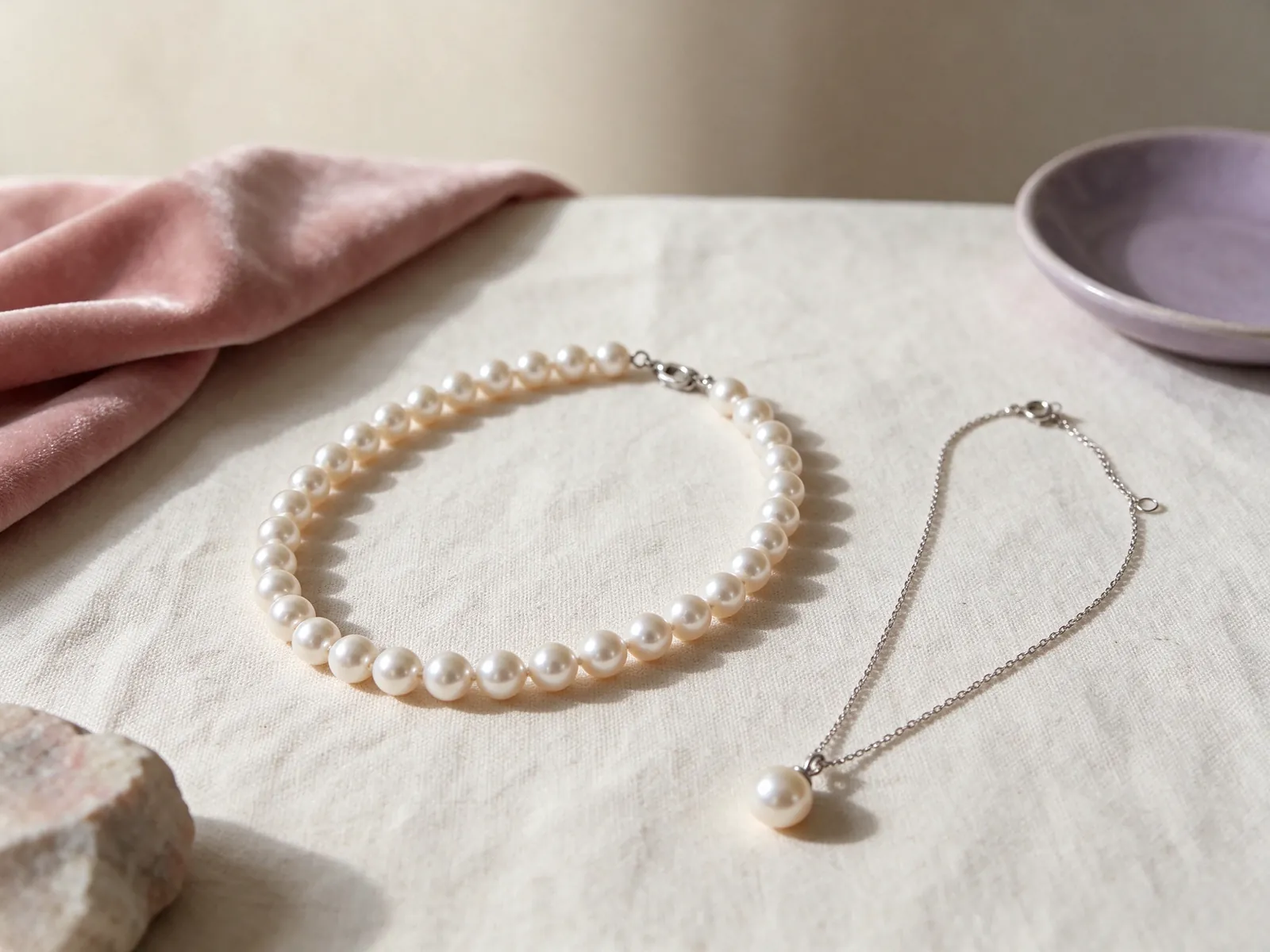
Read pearl identity and styling descriptions as different information
GIA describes freshwater cultured pearls as usually grown in freshwater lakes and ponds, with a range of shapes and colors. Understanding what are freshwater pearls gives context to a category name, but the name alone does not describe a necklace’s complete quality. Read the individual piece’s pearl identity and any stated treatment information independently from the styling photographs. An uneven shape cannot establish freshwater origin, and a pale or richly colored appearance does not establish whether the color is natural. The look you enjoy and the identity information both deserve attention.
A description such as nucleated freshwater pearl necklace introduces a more specific subject; it is not a substitute for the necklace's own dimensions or other documented characteristics. Keep separate notes for pearl terminology, stated length, color description and clasp. This helps you identify what you know and what you still want explained, rather than filling a gap with assumptions drawn from an attractive image.
Describe your preference in visible, practical terms
Instead of asking only for high quality, explain whether you want a smooth-looking curve, noticeable shape variation or a particular contrast against your clothes. Those requests help compare designs without pretending to establish pearl identity. When reading a document, identify the item it covers and the characteristics it addresses; do not let a broad quality term stand in for the full description.
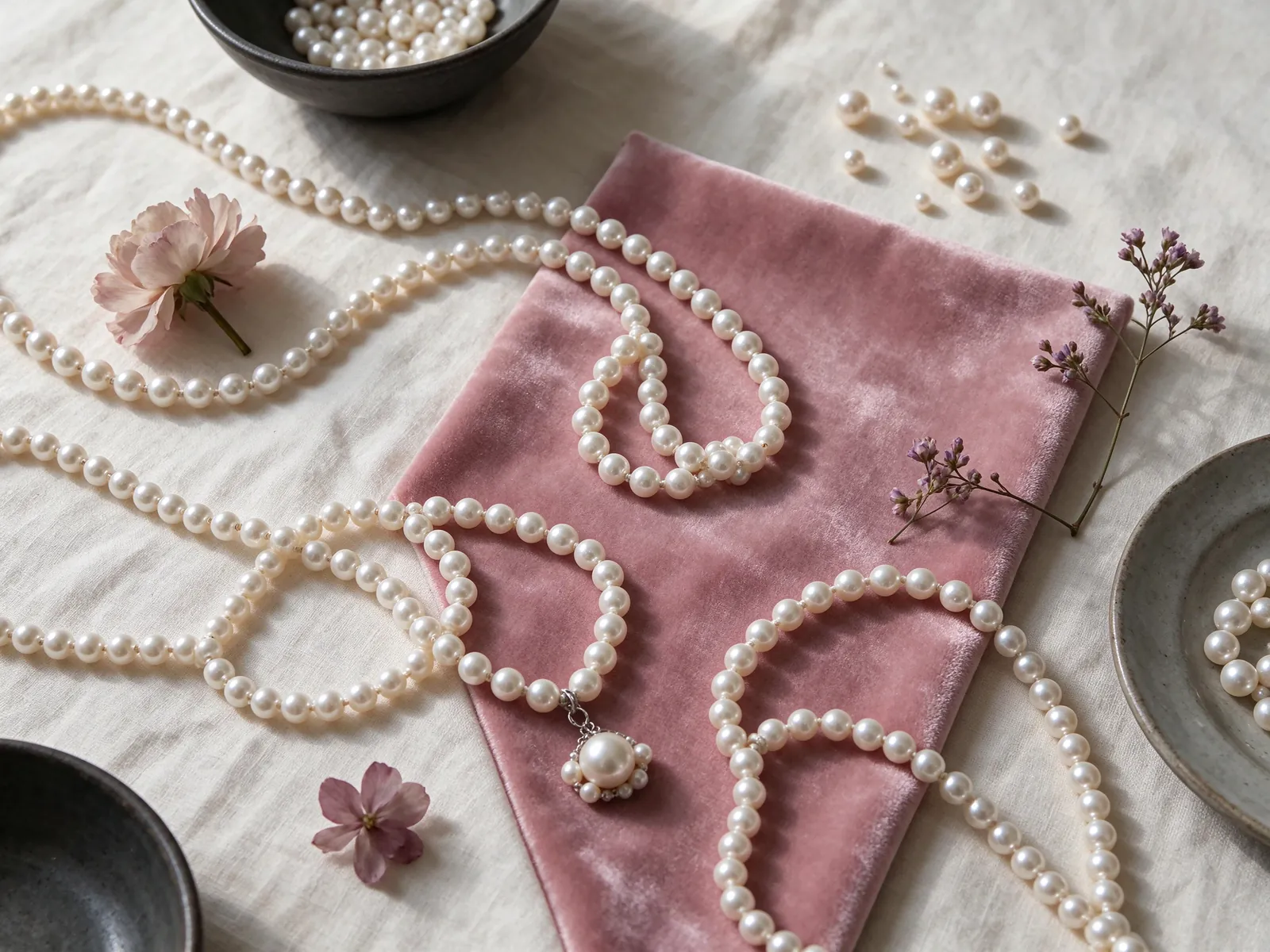
Look for a coherent strand, not just a bright center pearl
GIA uses seven pearl quality factors: size, shape, color, luster, surface quality, nacre quality and matching. Apply them by looking at the necklace as a composition and then examining details. Observe how clearly the pearls reflect light and where visible surface features sit. Nacre quality is not a measurement you can derive from an ordinary front-facing photograph, even when the reflections appear particularly bright.
Compare the center with both sides for a consistent or deliberately varied visual rhythm. Similar lighting and backgrounds make this comparison more useful. If an Akoya pearl necklace is also on your reading list, separate the documented category from the appearance of the individual strand. You can compare curves and observed luster, but the names of pearl types do not automatically establish a quality ranking between specific necklaces.
Ask for views that reveal, rather than conceal, the surface
A whole-necklace view helps assess coordination, while closer views can show features that disappear in a heavily lit image. If you can examine the piece, change the angle slowly. Keep questions about luster, surface and color distinct. Different lighting setups can change the impression of a photograph, so avoid treating two differently styled images as a controlled comparison.
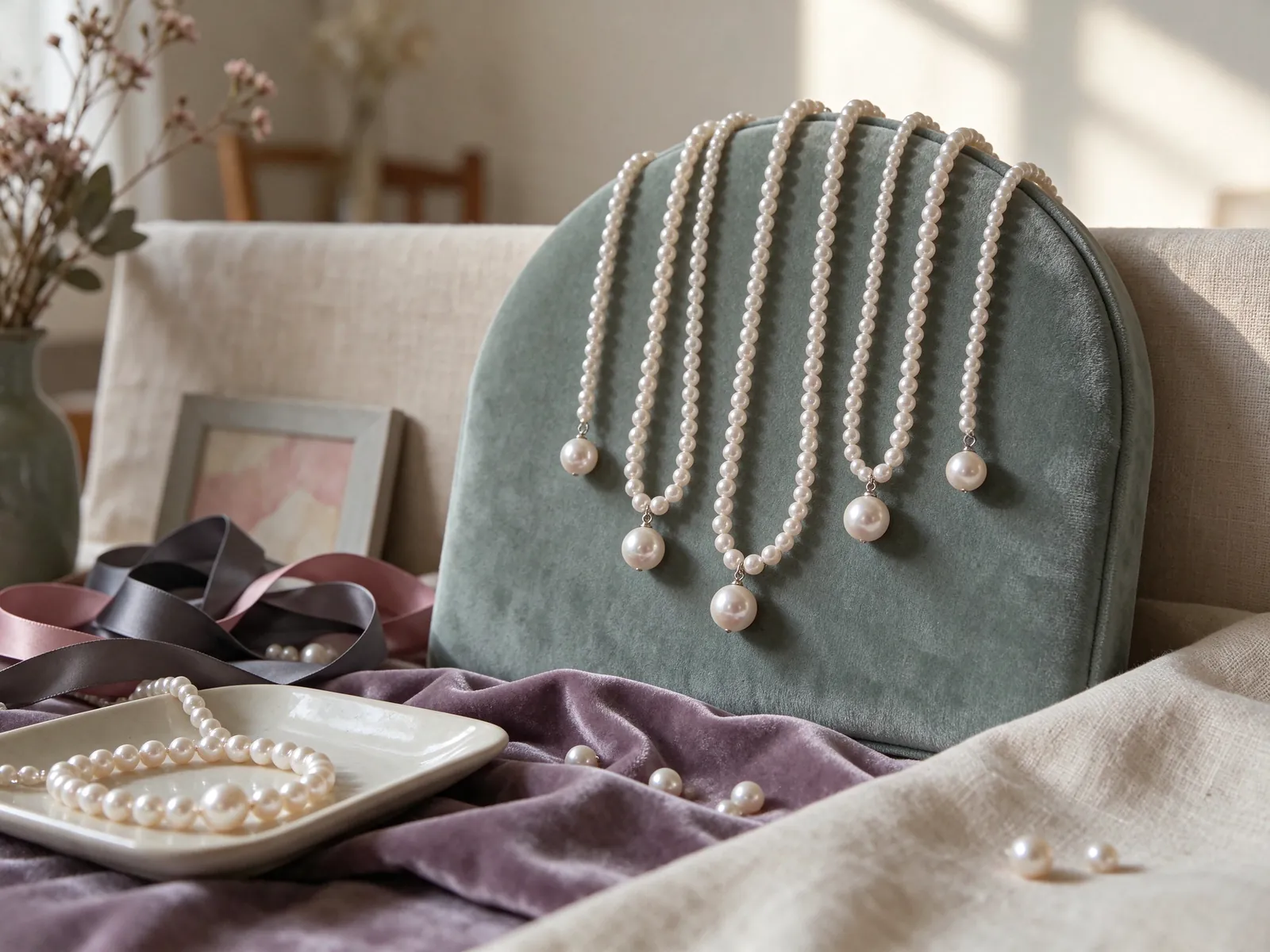
Let pearl shape support the lines and scale of the outfit
A regular sequence can emphasize a clean, continuous curve. A more varied sequence can give an outfit a less formal rhythm. Explore a baroque pearl strand necklace when considering irregular silhouettes, remembering that baroque describes shape rather than proving freshwater origin. Assess whether the arrangement feels balanced on you instead of treating roundness as the only possible style goal or irregularity as an automatic flaw.
Visual scale changes with clothing. A strand that seems prominent against a plain blouse can become understated over a textured sweater. A stronger center needs to rest at the intended point after you move, not only when carefully arranged for a picture. Compare both front and side views, and consider whether decorative buttons, pleats or an embellished neckline already provide the outfit's main focal point.
Simplify the surroundings before rejecting the necklace
If the result feels busy, remove other accessories and try a plainer top. This shows whether the necklace itself is too prominent or whether several elements are competing. For a quiet accent, choose the balance you enjoy rather than the most dramatic silhouette. For a statement, give the strand enough clear space that its arrangement can be seen.
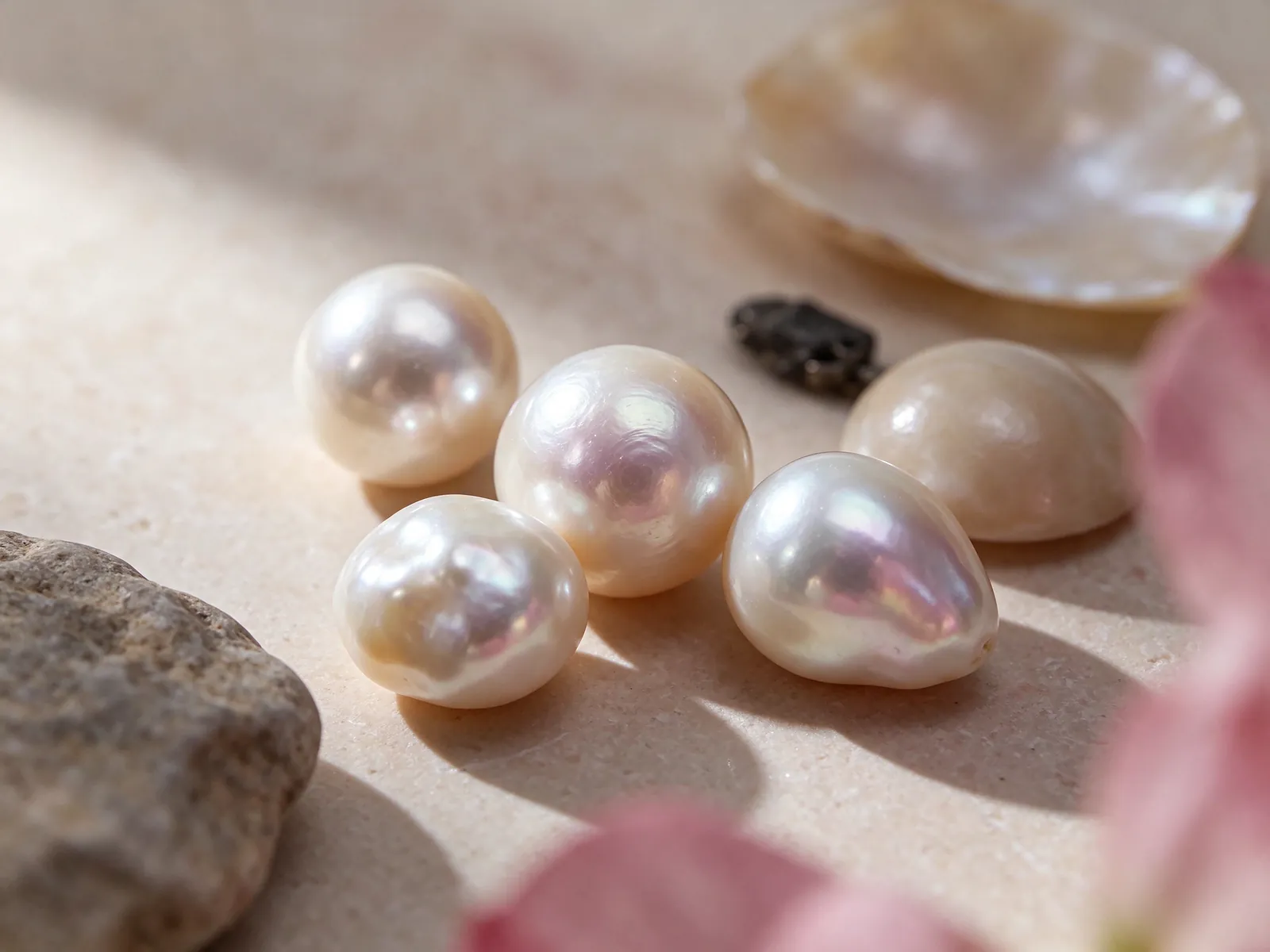
Make layers and color choices intentional
Choose a leader when layering. If the pearl strand is the focus, position another chain so that its pendant does not rest on the same central area. Test the combination with your everyday jacket and bag strap. Check whether reaching, sitting or leaning brings the pieces together. A layered look should work beyond the moment when you carefully separate the necklaces in front of a mirror.
Use clothing colors to explore contrast: try the strand with a light shirt, a dark blazer and a warm-toned sweater. Reading about a Tahitian pearl necklace can broaden ideas for dark-color styling, but a dark appearance alone does not identify the pearl type or origin. You can choose a visual contrast you like while keeping the specific necklace's identity and color information separate from that preference.
Change the outfit before adding another necklace for an event
A freshwater pearl strand can look different with a change of neckline, hairstyle or earrings. Start with it alone when preparing a more formal outfit, particularly if the fabric is detailed. A wider neckline may provide enough space for the full curve to become the focus. Add another layer only if it contributes something clear, then repeat the seated fit check.
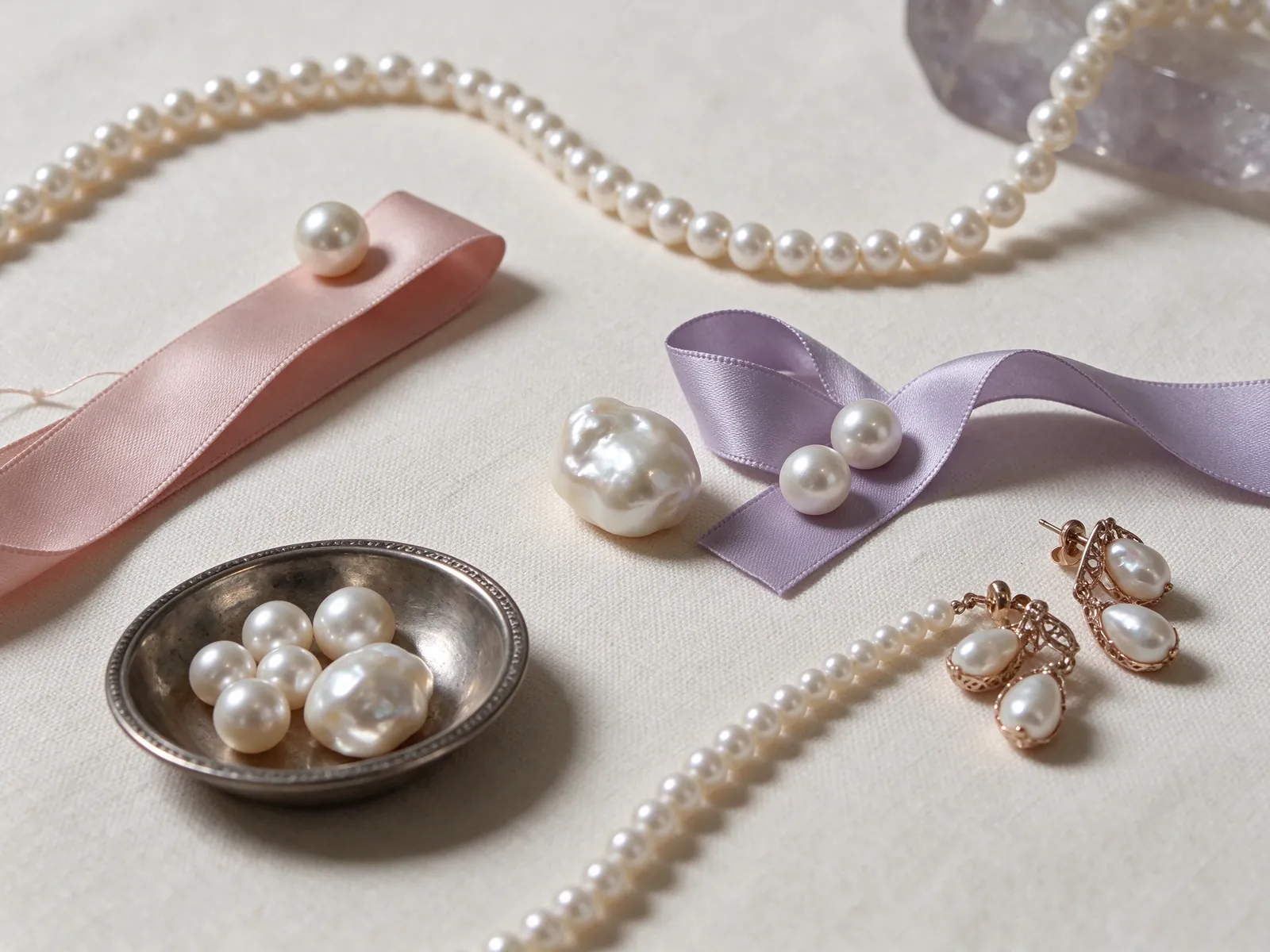
Treat the clasp and string as part of the wearing decision
Try the fastening yourself and check that it closes fully. Notice whether its position catches hair or presses against the collar. A platinum clasp pearl necklace is a related design topic, but a metal description cannot tell you how convenient a particular clasp is to operate. If you notice unusual spacing, worn string or a distorted fastening, pause wear and have a jewelry professional examine the piece.
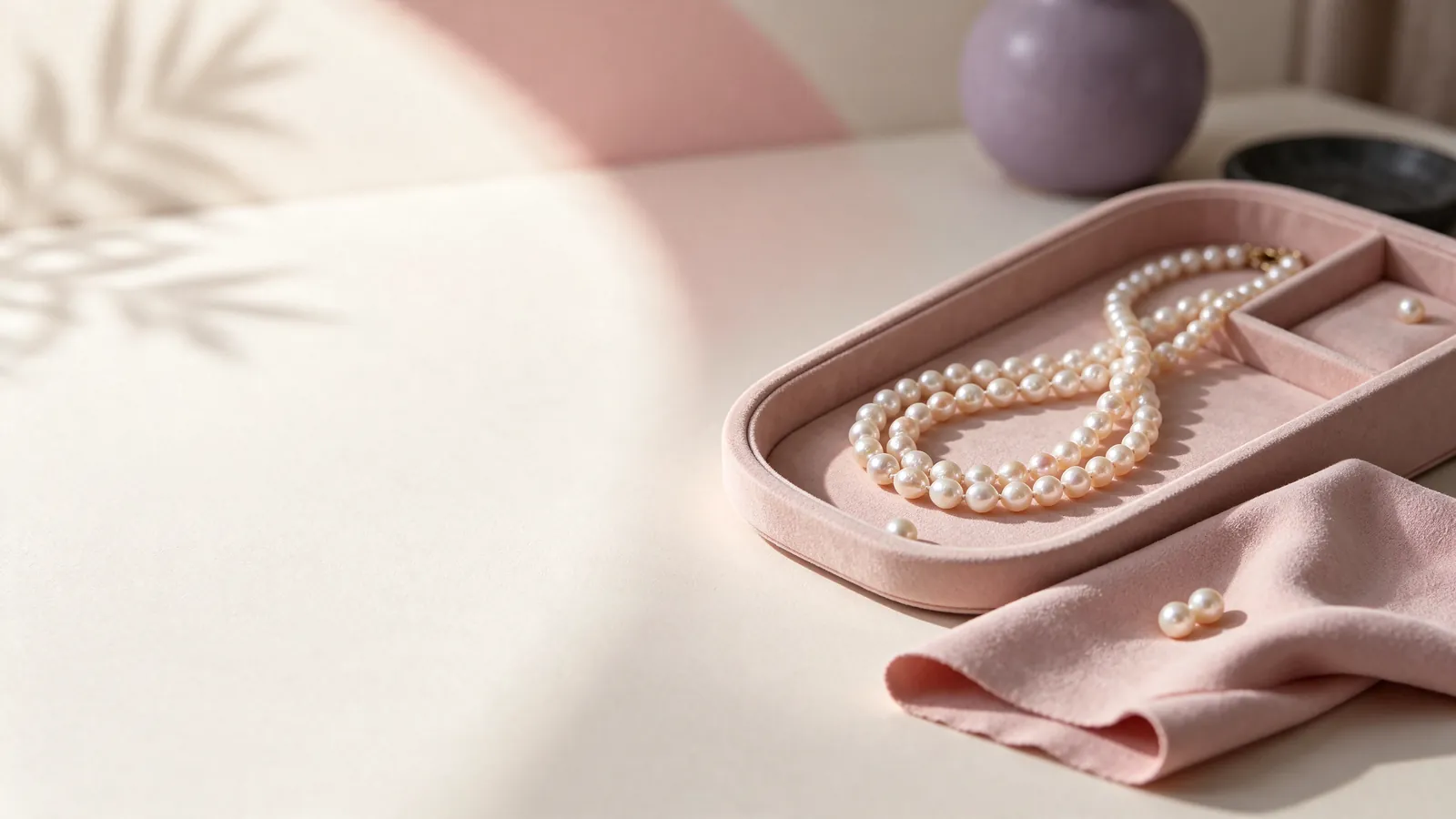
GIA places pearl at 2.5 on the Mohs hardness scale and says never to use ultrasonic or steam cleaners. Wipe after wearing with a very soft, clean cloth, and prevent rubbing against other jewelry in storage. Avoid acids, perfume, hair spray and excessive heat. Applying cosmetics before putting on the necklace helps keep those products from landing directly on the pearls.
Do not judge drying by the pearl surface alone
If strung pearls have been cleaned with water, GIA says the string should be completely dry before wearing. A surface that feels dry does not answer that question. Avoid excessive heat to speed up drying, and do not experiment with household cleaners on a mark. Watch for changes in spacing and clasp operation as part of your normal care routine.
Use your wardrobe test to make a confident final choice
Create a short comparison around your real wearing situations: usual neckline, preferred position, seated comfort, layering plans and clasp operation. Set aside options that depend on a rarely worn outfit, then assess the remaining necklaces for luster, matching and details. A freshwater pearl strand necklace should fit the role you want it to play, whether that is a repeatable everyday accent or a clearly defined occasion piece.
When selecting a gift, think about the recipient's clothing and habits instead of assigning a necklace style to an age group. Do they usually wear open collars, prefer simple accessories or enjoy a strong focal point? Are they comfortable handling a strand clasp? These observations make a length and styling discussion more useful, without guessing the recipient's preferences from a single occasion photograph.
State the result you want in one complete sentence
For example, you may want a visible curve above a crew neck that remains comfortable at a desk and looks finished on its own. That describes a practical fit rather than an abstract style label. Follow it with your priorities for luster, surface and overall coordination. The final choice can then reflect your wardrobe, the appearance you enjoy and a care routine you can maintain.
Have a fit in mind? Contact Flint Jewelry on WhatsApp to discuss the necklines you wear, where you want the curve to sit and whether the necklace will be worn alone or layered. An outfit photograph, if convenient, can help explain the length and styling direction you prefer.
| Outfit or use | Desired position | Detail to inspect | Practical test |
|---|---|---|---|
| Crew or scoop neck | Clearly on skin or clearly over fabric | Strand does not sit on a shifting edge | Sit and turn gently |
| V-neck blouse | Curve remains distinct from diagonal lines | Neckline does not crowd the pearls | Check the entire outfit |
| Textured sweater | Outline retains the desired presence | Center stays balanced after movement | Inspect front and side views |
| Chain and pendant layering | One leader with separated positions | Pendant does not catch the strand | Lean forward and reach |
| Formal event outfit | Complete curve in a clear neckline | Fabric and earrings do not compete | Compare standing and seated fit |
Pearl knowledge and authoritative references
GIA describes seven pearl quality factors: size, shape, color, luster, surface quality, nacre quality and matching. For a necklace, this supports assessing the whole strand as well as the details of individual pearls.
Read the reference for this factFrequently asked questions
Is one necklace length suitable for every neckline?
No single position works the same way with every outfit or wearer. Compare where the strand sits with the actual clothes you intend to use. A clear position above the neckline or over the fabric is often easier to style than a curve caught on the edge.
Can baroque shape prove that a necklace uses freshwater pearls?
No. Baroque describes an irregular shape, not freshwater identity. Use the individual necklace's pearl description for identity information, and assess the shape separately as a styling choice. The two questions should not be collapsed into one.
Should I judge matching by whether every pearl looks identical?
Look for an overall relationship that suits the design. A regular arrangement may emphasize similarity, while intentional variation can create rhythm. Compare the center and sides under similar lighting and assess the strand while worn, rather than isolating its brightest pearl.
How can I tell whether the necklace is too prominent with my outfit?
Check a normal-distance front view and a side view, then remove other accessories. If a simpler top makes the balance work, the issue may be competing details rather than the strand itself. Decide whether you want a focal piece or a quiet accent before choosing.
What if the string looks worn but the pearls look fine?
Stop wearing the necklace and have a jewelry professional inspect it. The appearance of the pearl surfaces does not establish the condition of the string or fastening. Unusual gaps, wear and clasp distortion should be treated as separate practical concerns.
Updated: