
Which product details matter when comparing WSP pearl jewellery, Pearl for Life pearls and MARLENA pearls? | Flint Jewellery
Brand-led browsing becomes clearer when you separate the website, its brand choices and the name of a particular design. WSP’s public navigation lists WSP, Pearl for Life and MARLENA. Record which entry you followed before reading the individual item. That simple distinction helps you recognise whether a search result is directing you to a brand, a particular necklace or a broader wearing format. To turn a favourite outline into a personal styling preference, contact Flint Jewellery on WhatsApp with your usual necklines and occasions; direct questions about another brand’s goods to that brand.
For a useful comparison, organise your notes around identity, pearl description and construction. Identity helps you find the piece again; the description explains what is stated about its pearls; construction explains how it is worn. The pearl types guide can help with vocabulary, but a category label should not be transferred automatically to every item within a brand.
For WSP pearl jewellery, Pearl for Life pearls and MARLENA pearls, what do brand names, series labels and pearl descriptions each tell you? | Flint Jewellery
WSP’s necklace collection has shown KOKORO and YUI names. The Pearl for Life long-necklace page and MARLENA’s Cleopatra necklace page also contain their own pearl descriptions. These are different layers of information, not interchangeable labels or a ranking system. Save the complete item title alongside its brand so that a memorable design name does not become your only identifying detail.
Read the pearl description before interpreting the photograph
A title can combine a brand, a design name, pearl terminology and a jewellery form. MARLENA’s official Cleopatra page uses Freshwater Keshi Pearl in its title. That is the wording for that item; it does not define every MARLENA piece. Identify those descriptive words separately from the name. This prevents a string of appealing terms from being mistaken for a statement about the whole brand’s materials or quality.
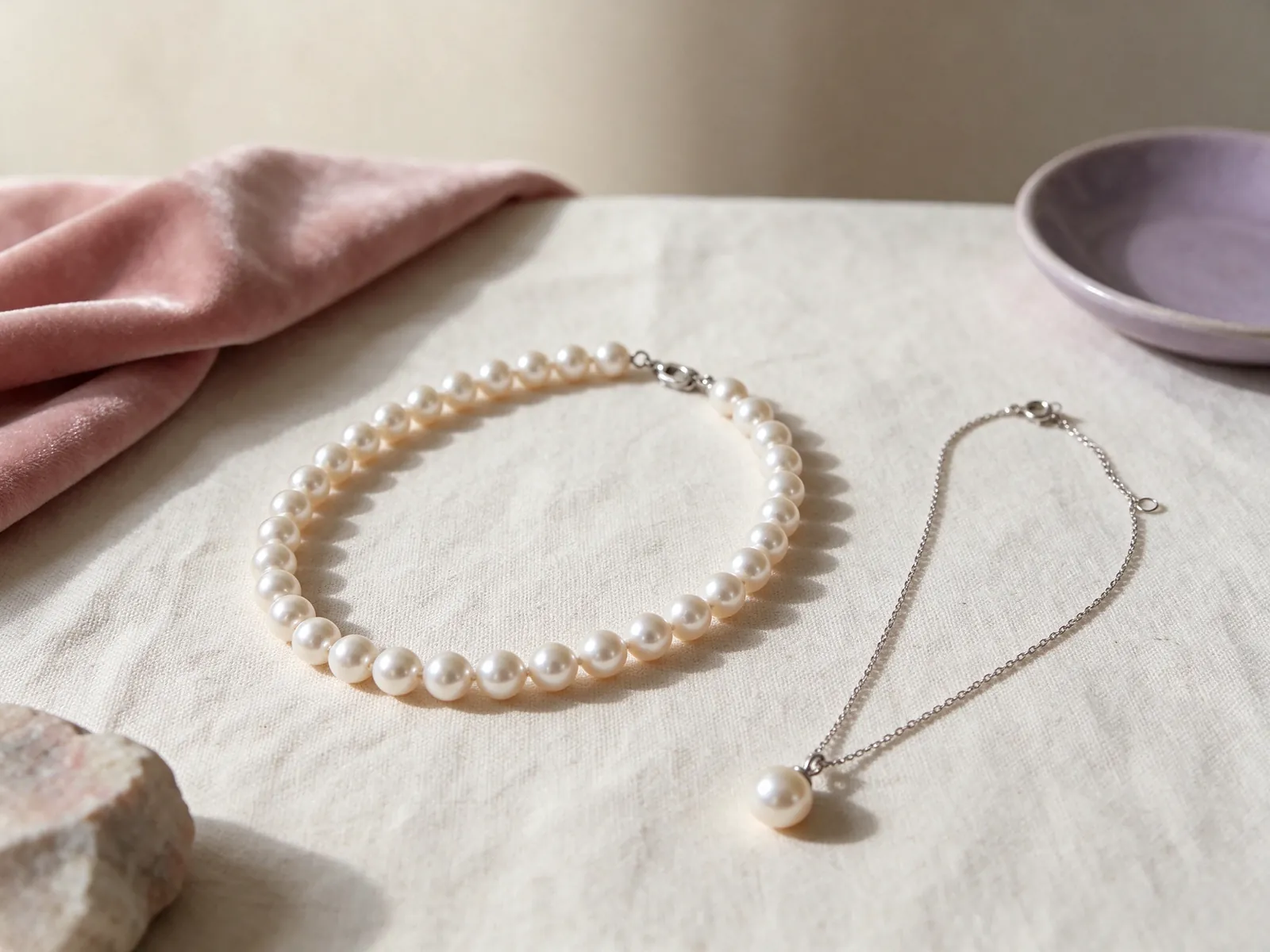
A photograph helps you compare silhouette, spacing and colour relationships. It cannot by itself establish origin, natural-versus-cultured identity, treatment status or certification. When considering a freshwater pearl necklace, decide whether you enjoy a regular rhythm or a more varied outline, then read the item’s written description. If a particular identity or document matters to your purchase, ask about that specific piece.
Turn a visual impression into precise language
Describe what attracts you as flowing, closely spaced, softly contrasting or irregular in outline. These observations are more useful for styling than assuming that a colour proves a particular origin. Check how the appearance changes against your usual clothing and metal tones. A preference for an uneven contour is a style choice, not a conclusion that one pearl type is inherently better than another.
Compare necklaces through neckline, placement and rhythm
The Pearl for Life long-necklace page offers a useful distinction between brand identity and wearing form. What attracts you might be the extended line rather than the label. Think about whether you usually wear a crew neck, an open shirt or a high collar, and whether you want the jewellery near the neckline or as a focal point over the fabric.
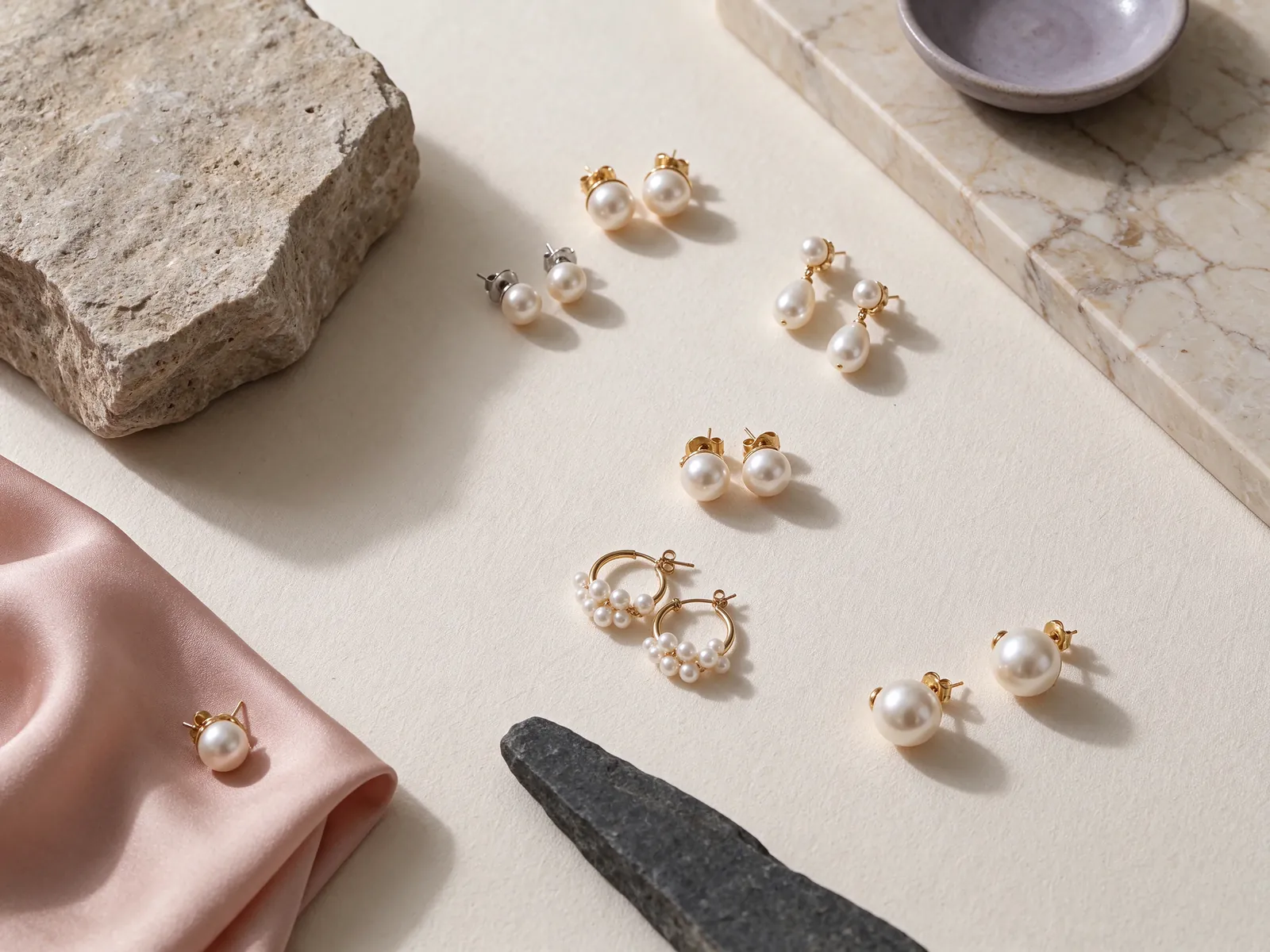
A single strand pearl necklace creates a continuous rhythm, so its relationship with the collar edge deserves attention. When also considering an Akoya pearl necklace, separate the pearl-description question from the styling question. First understand what the item says; then consider spacing, fastening and intended placement. Similar wording about pearls does not make a strand, a station necklace and a pendant behave alike.
Explain the outline, not a request for a copied design
You might favour an uninterrupted line, generous space around one pearl or a vertical accent outside a shirt. Bring that observation together with a photograph of your usual neckline. Whether a long necklace can be wrapped, adjusted or combined with another piece depends on its construction and instructions. Do not infer those functions simply because a photograph shows a look you enjoy.
The pearl necklace length guide can help you connect placement with your usual neckline, rather than selecting by a brand name alone. Note whether you want the line close to the collar, over the fabric or extending down the front of a shirt. The long pearl necklace guide also helps you describe that vertical effect. Whether a particular piece permits wrapping still depends on its own construction and wearing instructions.
For earrings, start with wearing format and selling unit
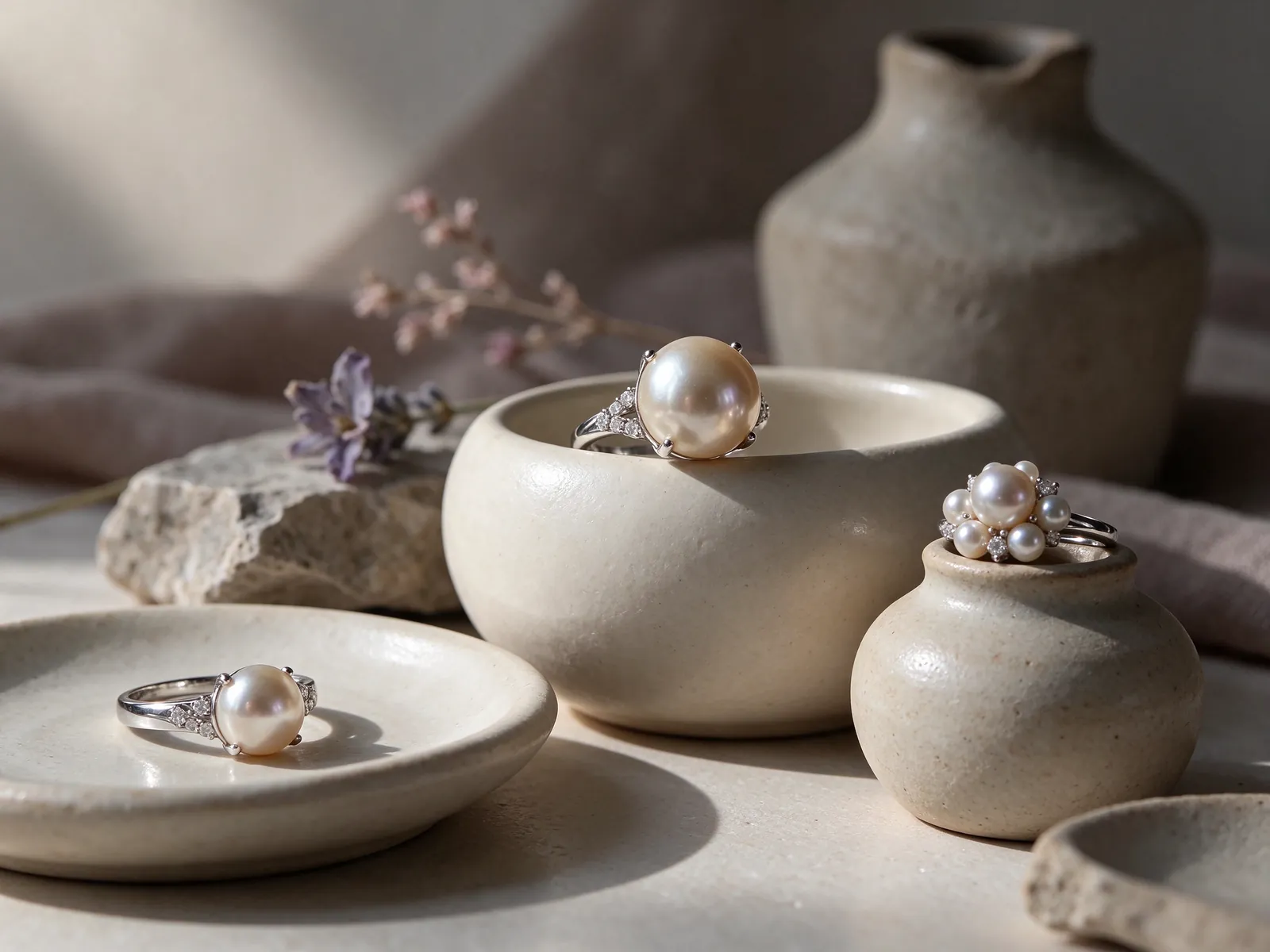
WSP’s public pages include Mabelle ear cuffs, LUXE earrings and Manon earrings. Before comparing their names, distinguish a cuff from a stud or a drop, and check whether the item is described as a single earring or a pair. A styled image can combine several pieces, so it is not a reliable substitute for the written selling unit.
Hair, glasses and collars change how an earring sits within an outfit. For a moving silhouette, consider its relationship with those surrounding elements rather than concentrating only on the pearl. If you want a restrained workday look and more movement for dinner, read whether the individual item states that a component is removable. A shared series name does not establish interchangeable construction.
Plan asymmetry around a shared visual element
For an asymmetric combination, choose a common element such as a visual pearl tone or a metal outline, then let one side be quieter. Check posts, backs, attachments and the selling unit separately. For a gift, the recipient’s usual earring format matters more than an evocative name. A photograph also cannot reliably tell you the weight or predict comfort over a full day.
Rings, bracelets and pendants need different checks
MATOA stacking rings and KOKORO rings have appeared in WSP’s ring collection, while KOKORO has also appeared in the necklace collection. A repeated name across categories does not establish shared pearl specifications. For a ring, consider the pearl’s position relative to neighbouring fingers and existing rings. A pleasing stacking photograph does not answer questions about the actual band or contact between pieces.
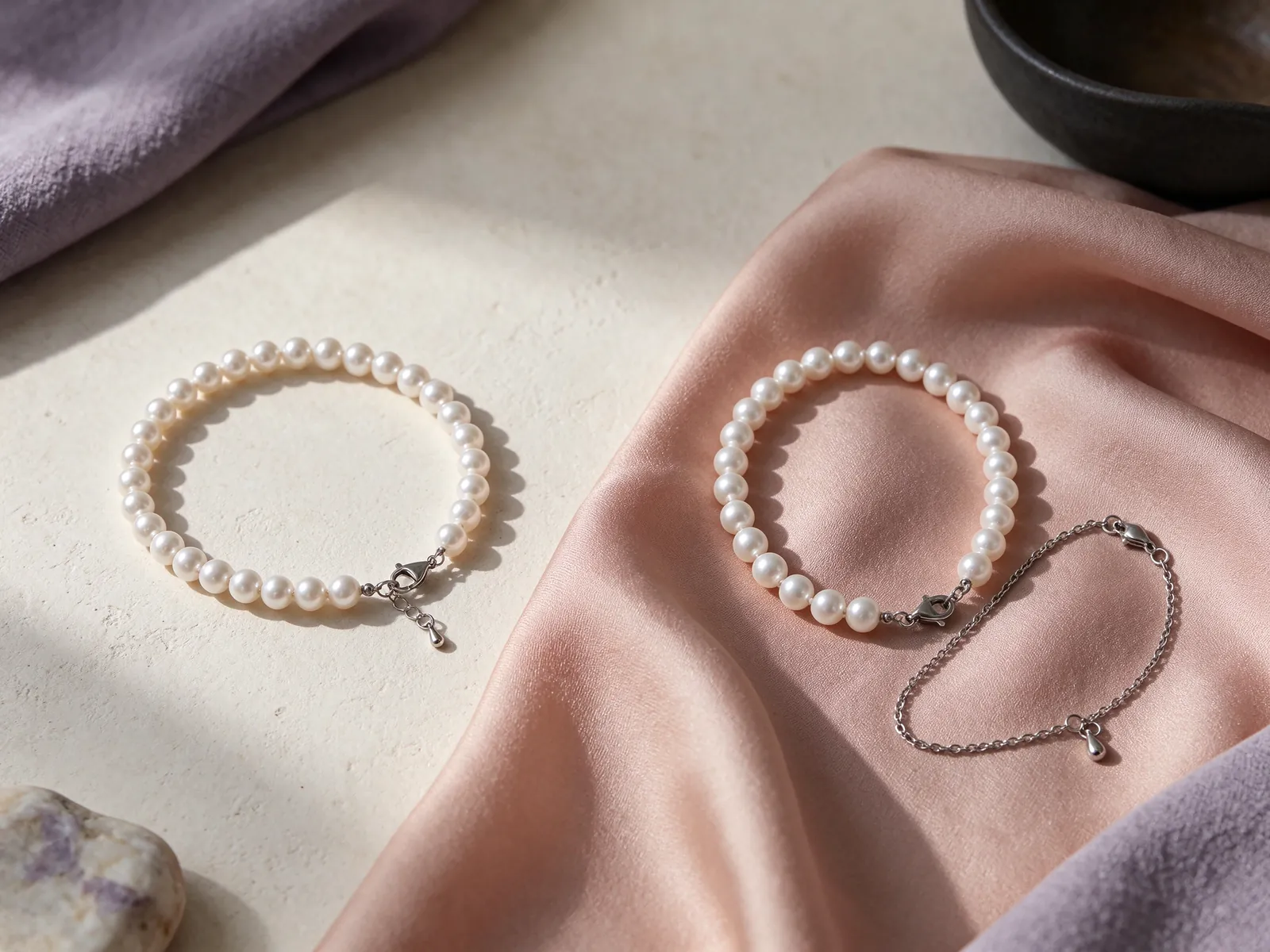
Bracelets interact with sleeves, desks and wrist movement; pendants interact with a chain and neckline. Check whether a pendant listing describes the pendant top alone or includes a chain. A chain in a photograph does not settle that question. The Pearl Jewellery overview can help you choose a wearing form before following individual brand names, keeping everyday use at the centre of the comparison.
Include the accessories you already wear
Note the position of your watch, favourite rings or existing chain. You may want the new piece to share the same visual rhythm, or deliberately provide a contrasting focal point. Chain compatibility involves the pendant opening and chain end, not simply matching metal colour. Keeping those practical relationships visible makes it easier to distinguish a fresh look from a piece that fits your established routine.
Use shared quality vocabulary without equating grades
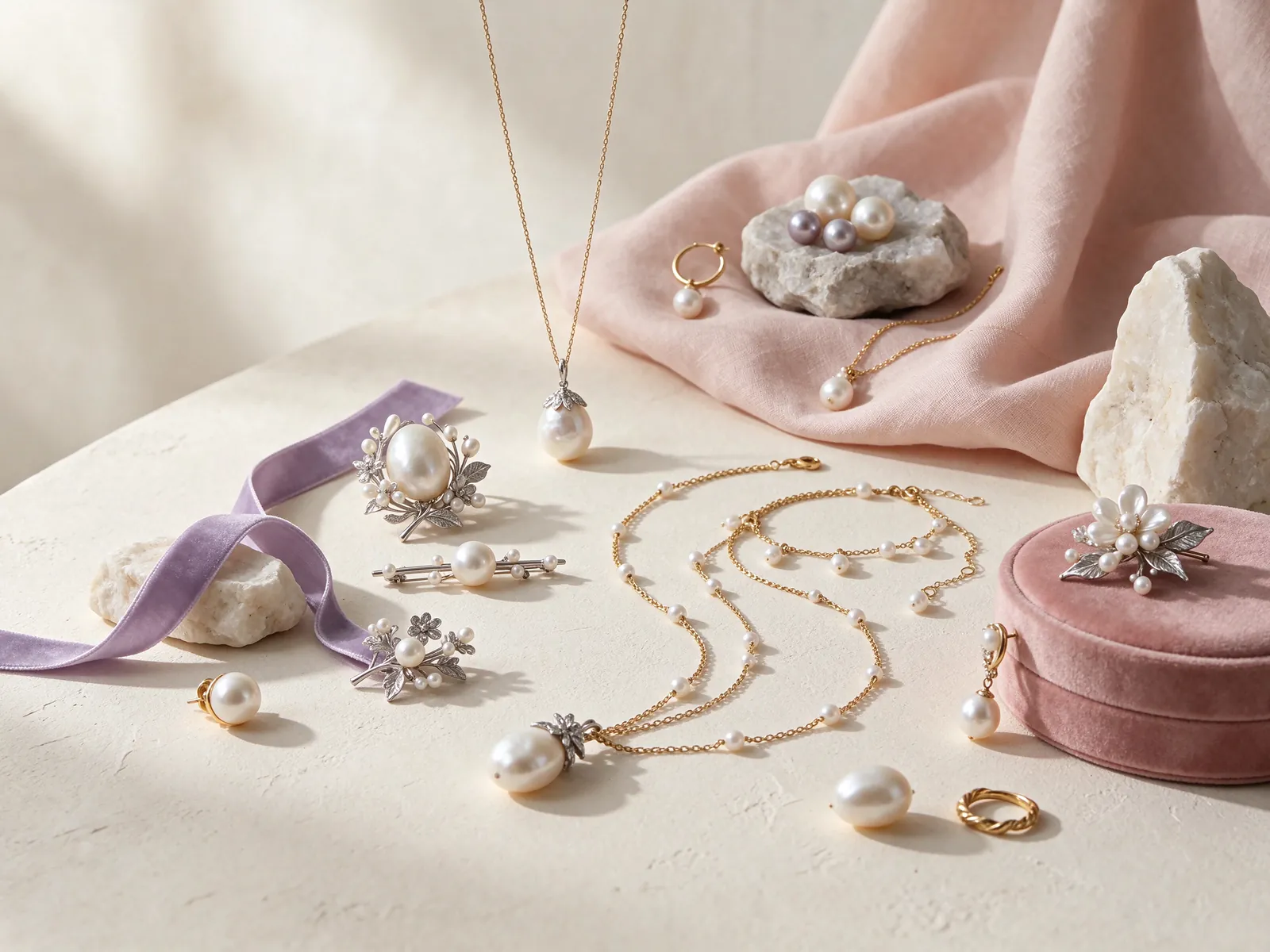
GIA identifies seven pearl quality factors: size, shape, colour, lustre, surface quality, nacre quality and matching. They provide a useful framework for separate questions, not an endorsement of a brand or item. A single-pearl pendant draws attention to one focal pearl, whereas a strand or pair of earrings also invites attention to how the pearls relate to each other.
If a product page gives letter grades, read its grading definitions before comparing them with another seller’s letters. Record descriptions of lustre, surface and matching separately rather than collapsing them into one claim of best quality. Identical letters are not automatically equivalent when the definitions and assessed features differ. Keep those comparisons distinct from the question of whether a particular arrangement suits your wardrobe and the occasions you have in mind.
Make care part of the wearing decision
GIA advises wiping pearls with a very soft, clean cloth after wear, avoiding perfume, hair spray, acids and excessive heat, and never using ultrasonic or steam cleaners. If a strung piece has been cleaned with water, its string must be completely dry before wearing. These habits help you plan everyday use; a familiar brand name does not make pearls waterproof or maintenance-free.
Build a personal shortlist from brand inspiration
For each saved item, write one sentence explaining what you like: open space between pearls, a continuous line, movement beside the face or a pendant’s placement. Keep the brand and design name in a separate column. If the same visual idea appeals across several brands, that recurring feature often reveals more about your preferences than a brand ranking would.
Add your usual occasion, neckline, symmetry preference and existing accessories to the shortlist. When discussing personal style with Flint Jewellery, describe those needs rather than treating WSP, Pearl for Life or MARLENA as Flint product-series names. A useful conversation focuses on the wearing experience you want and the information that affects it, without requesting another brand’s proprietary design.
For gifts, begin with the recipient’s habits
Consider whether the person regularly wears necklaces, earrings or a watch, and whether their clothing favours quiet accents or stronger outlines. If you do not know ring fit or earring preferences, discuss visual tastes before choosing by brand alone. Selling unit, included components and wearing format belong on the gift checklist alongside appearance; an attractive name cannot answer those practical questions.
Ready to clarify your own preference? Contact Flint Jewellery on WhatsApp and share the necklines you usually wear, the visual rhythm you enjoy and the accessories you already own. A personal style discussion starts with those details, without treating other brands as Flint series or promising the same design, pearl quality or wearing result from a similar photograph.
| Information layer | Example | Question answered | Styling consideration | Do not infer |
|---|---|---|---|---|
| Brand entry | WSP, Pearl for Life, MARLENA | Which brand choice did you follow? | Record the outline you enjoy | A brand defines a pearl type or grade |
| Design name | KOKORO, YUI, Cleopatra | How can you find the item again? | Separate continuous lines from open spacing | Repeated names mean identical construction |
| Pearl description | The individual page’s pearl terminology | What does this item state? | Colour relationships with clothing | A photograph proves origin or identity |
| Wearing construction | Cuff, drop earring, pendant top | How is it worn and what is included? | Hair, collars and an existing chain | A displayed chain is included |
| Quality vocabulary | GIA’s seven quality factors | Which features can be compared separately? | One focal pearl versus matching across a group | Letters from different systems are equivalent |
Pearl knowledge and authoritative references
GIA identifies seven pearl quality factors: size, shape, colour, lustre, surface quality, nacre quality and matching. This vocabulary supports separate comparisons rather than a brand ranking.
Read the reference for this factFrequently asked questions
Does WSP’s brand menu make Pearl for Life and MARLENA series names?
The public navigation lists them as separate brand choices. Read named designs and pearl descriptions at the individual-item level rather than treating all three names as alternative labels for one series.
What should I save when a design name catches my attention?
Save the full item title, brand and page, then note the feature you enjoy. A name alone may not distinguish jewellery forms or explain the stated pearl description.
Can I compare two necklaces simply because both mention Akoya?
That wording addresses one part of the description. Compare construction, placement, fastening and the other stated details separately; a strand and a pendant can serve quite different styling needs.
How do I avoid buying the wrong quantity of earrings?
Read the selling unit and included components for the particular item. An image showing both sides of a face or a mixed combination does not establish that the listing contains a pair.
Who should I contact about WSP, Pearl for Life or MARLENA products?
This is an independent Flint Jewellery comparison guide, not an indication of dealership, supply or certification relationships. Ask the relevant brand about its products, included components and aftercare. For a conversation about your own spacing, silhouette, neckline and wearing preferences, contact Flint Jewellery on WhatsApp.
Updated: