
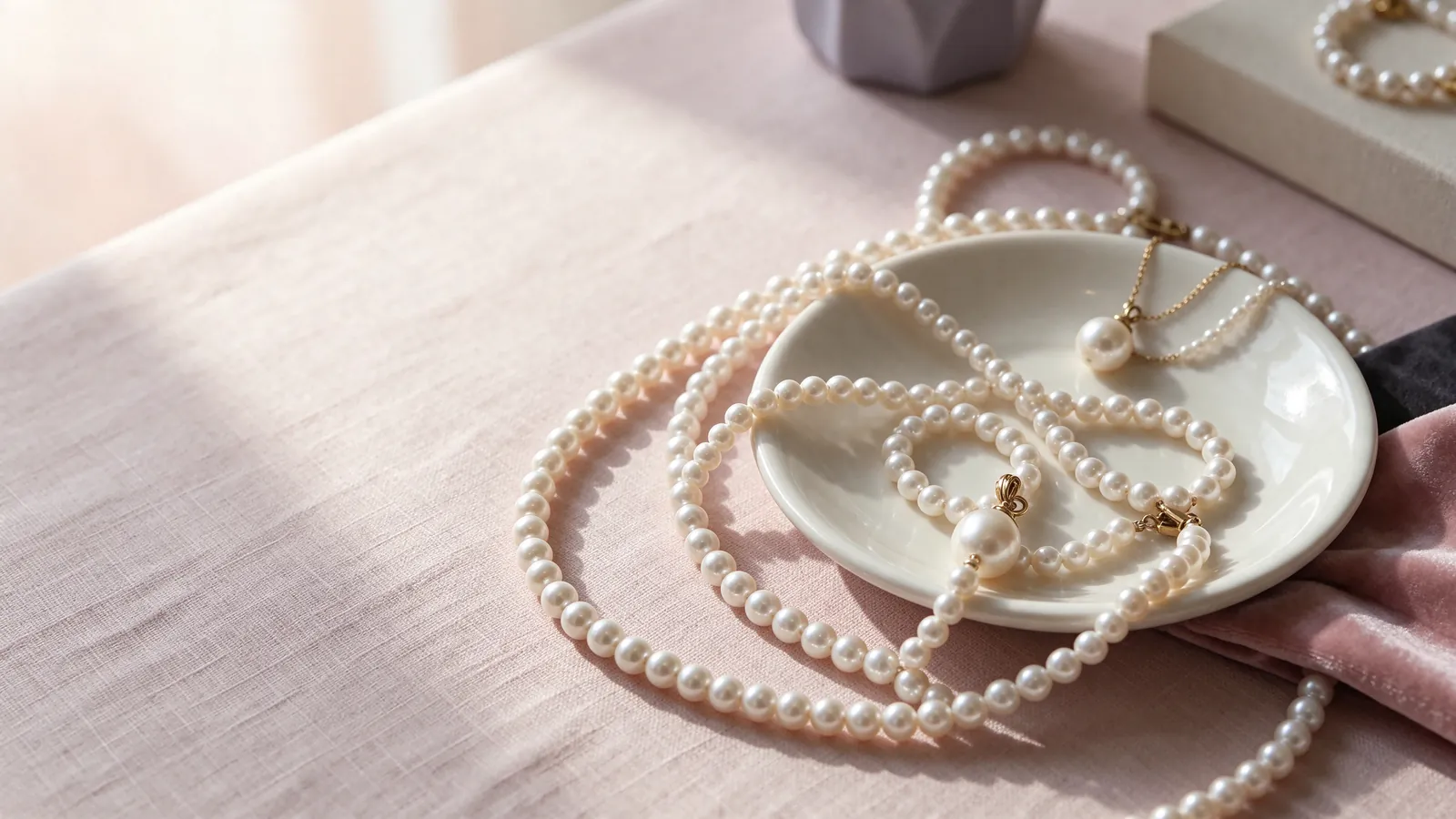
Flint Jewellery: Finding a length to suit your neckline for a platinum clasp pearl necklace, whether a PT950 clasp pearl strand or a PT900 clasp pearl necklace
Begin with a top you regularly wear rather than choosing length against a bare neckline alone. With a crew neck, decide whether you want the strand above the fabric edge or resting clearly on the garment. With a shirt, use your usual button arrangement. A single strand pearl necklace offers a useful way to think about the curve, but the same nominal length can sit differently with another collar or shoulder line.
Look at the back as well as the front during a fitting. A raised collar may lift the clasp, while loose hair may make its opening harder to find. Sit down, turn your head and raise your arms normally to see how the strand settles. Do not shorten a necklace solely to conceal its fastening: a pleasing front curve, a comfortable back position and practical access all deserve a place in the decision. The pearl necklace length guide can help you organise your preferred resting position before comparing how different strands sit with the same top.
Flint Jewellery fitting questions: When trying on a platinum clasp pearl necklace, what should you notice about clasp placement on a PT950 clasp pearl strand or a PT900 clasp pearl necklace?
Establish the intended wearing direction, then try fastening and removing the necklace yourself. Notice whether the clasp lies flat and whether the adjoining ends stay in their intended alignment. For either a PT950 clasp pearl strand or a PT900 clasp pearl necklace, a back view cannot tell you how easily your fingers will find the opening. Test that separately without pulling on the pearls.
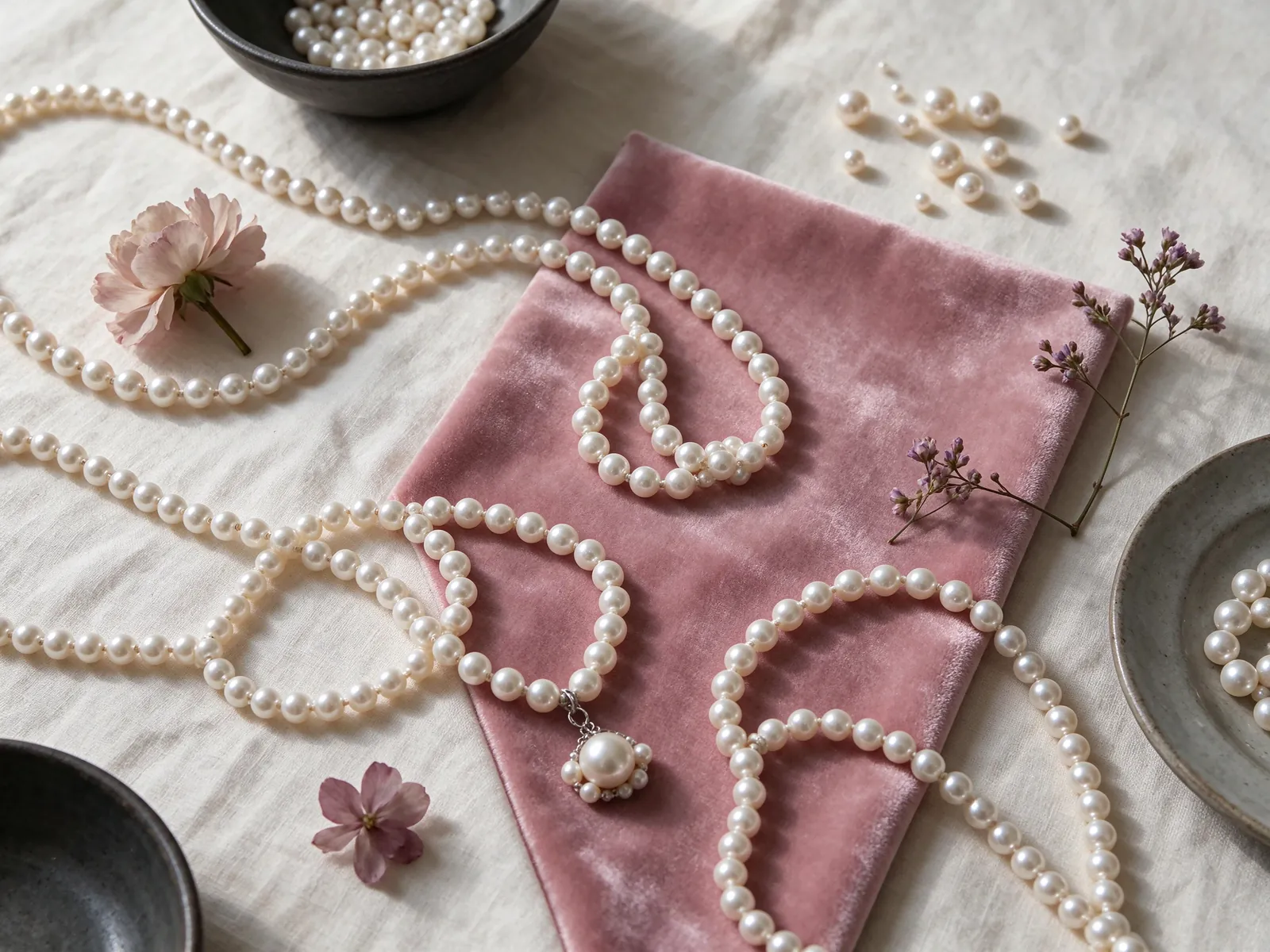
Separate the metal choice from the fastening mechanism
PT950 platinum and PT900 platinum identify material options; neither term tells you how a particular clasp opens. Consider colour preference, fastening action and connection to the strand as separate questions. Note your preferred metal colour separately from the way the clasp feels in use. For handling, focus on the clasp outline, the location of its opening and how clearly the closing action can be understood in your hands.
If you often wear warm-toned earrings, an 18K gold clasp pearl necklace is a useful related styling comparison. Material discussions can include 18K 750 white gold, 18K 750 yellow gold, 18K 750 rose gold, PT950 platinum and PT900 platinum. That colour decision should not displace a comfortable fastening. When a clasp is concealed, handling may matter more than its distant appearance; when it is visible, consider whether it supports or interrupts the pearl strand.
Compare like with like during a fitting
Use the same garment and intended wearing position when comparing clasps. Record ease of opening, the feel of closure and how the connection sits, rather than attributing every difference to metal. Also ask which component a material description refers to: the clasp description alone need not describe every part of the necklace.
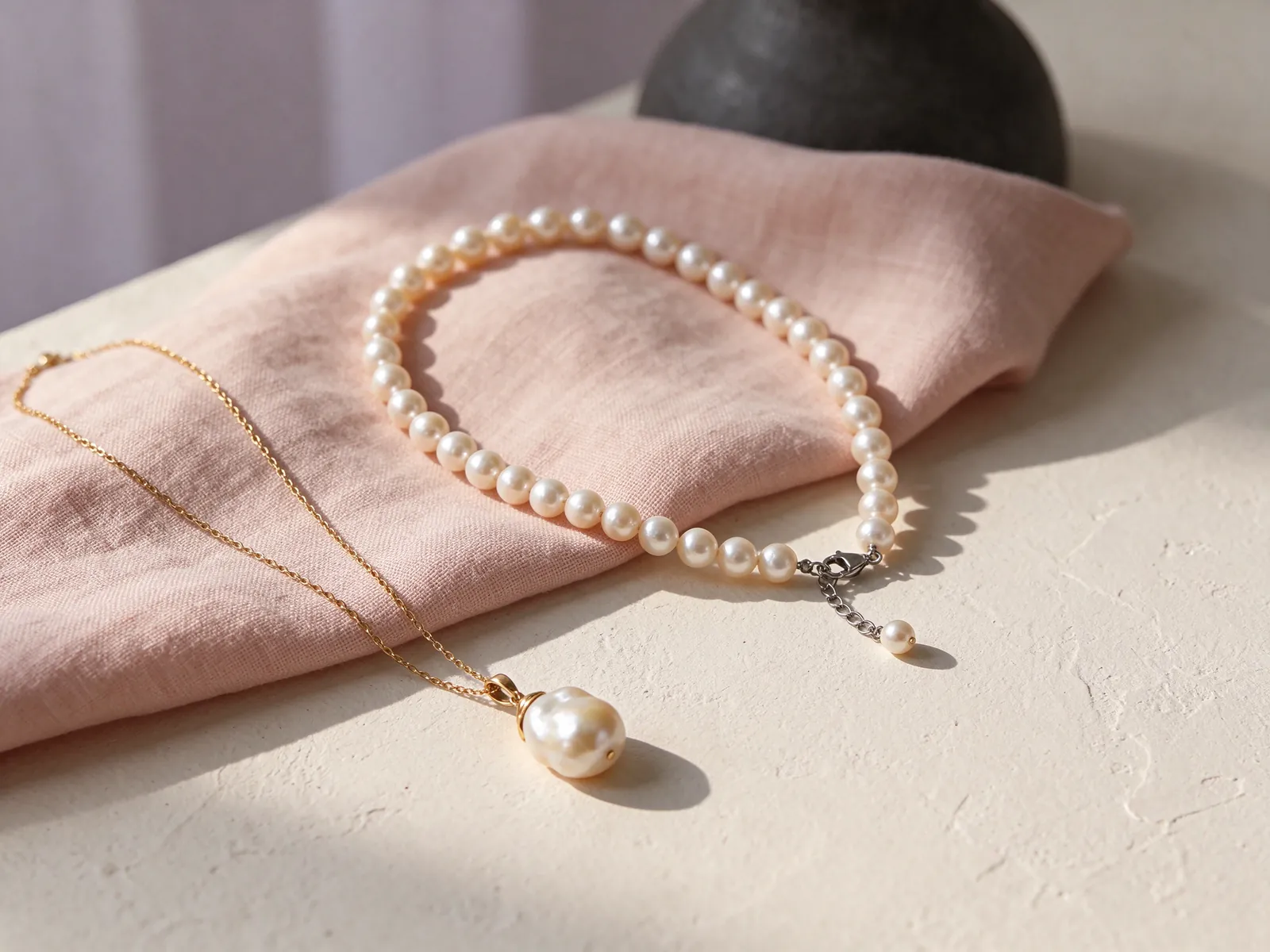
Make the fastening trial reflect your own routine
Having someone fasten the necklace for you is convenient, but it leaves an important daily task untested. Learn the opening action first, with the necklace supported over a soft surface or tray. Check whether you can hold the clasp steadily and recognise the part you need to move. Do not use your nails to force an unfamiliar opening, or pull a pearl to gain leverage. Pause and clarify the mechanism if it resists.
Once closed according to its design, assess the necklace through ordinary movement rather than a forceful tugging test. If an additional securing component is present, understand its purpose and operating order. More components do not automatically mean a better match for your hands. Long nails, limited finger movement or a preference for fastening without a mirror are useful practical details to bring into the fitting, not matters to discover after choosing by appearance alone.
Distinguish reaching difficulty from opening difficulty
Try understanding the mechanism where you can see it before assessing access in its intended position. If it works easily in front but is difficult behind your neck, hair, collar or reach may be the issue. If it remains confusing in full view, revisit the opening action. These are different problems and may call for different design choices.
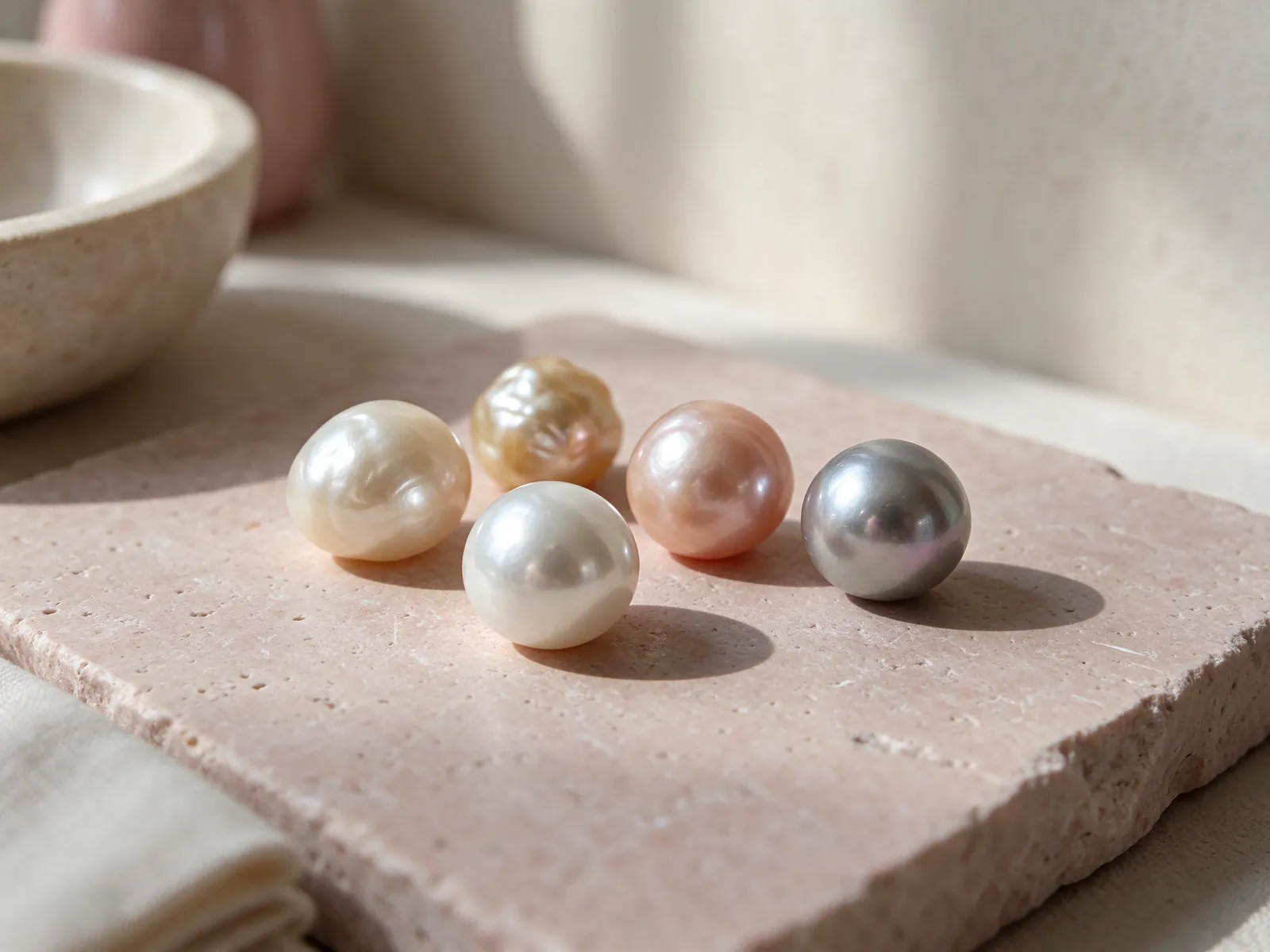
Keep the pearl arrangement central to the comparison
An attractive metal detail is only part of a pearl necklace. GIA describes seven pearl value factors: size, shape, colour, lustre, surface quality, nacre quality and matching. Matching is particularly useful when looking at the visual relationship between pearls along a strand. An intentional change in shape or size can be part of the design, so assess the overall rhythm rather than treating identical appearance as the only possible goal.
Observe the pearls beside the clasp as well as those at the centre, considering how their colour and reflections connect visually. The Akoya pearl necklace and freshwater pearl necklace guides provide separate contexts for pearl selection questions. A platinum fastening does not identify pearl type, and a round white appearance in a photograph does not establish pearl identity. Ask about the pearls independently from the clasp, then judge how the complete arrangement sits when worn.
Look at the connection closely, then step back
A close view reveals the transition between the clasp and the adjoining pearls; a wider view shows the necklace silhouette. If the clasp is intended to show, see whether its shape complements the strand. If it is intended to sit behind the neck, check whether the front remains balanced with your actual collar rather than assuming a photograph predicts the fit.
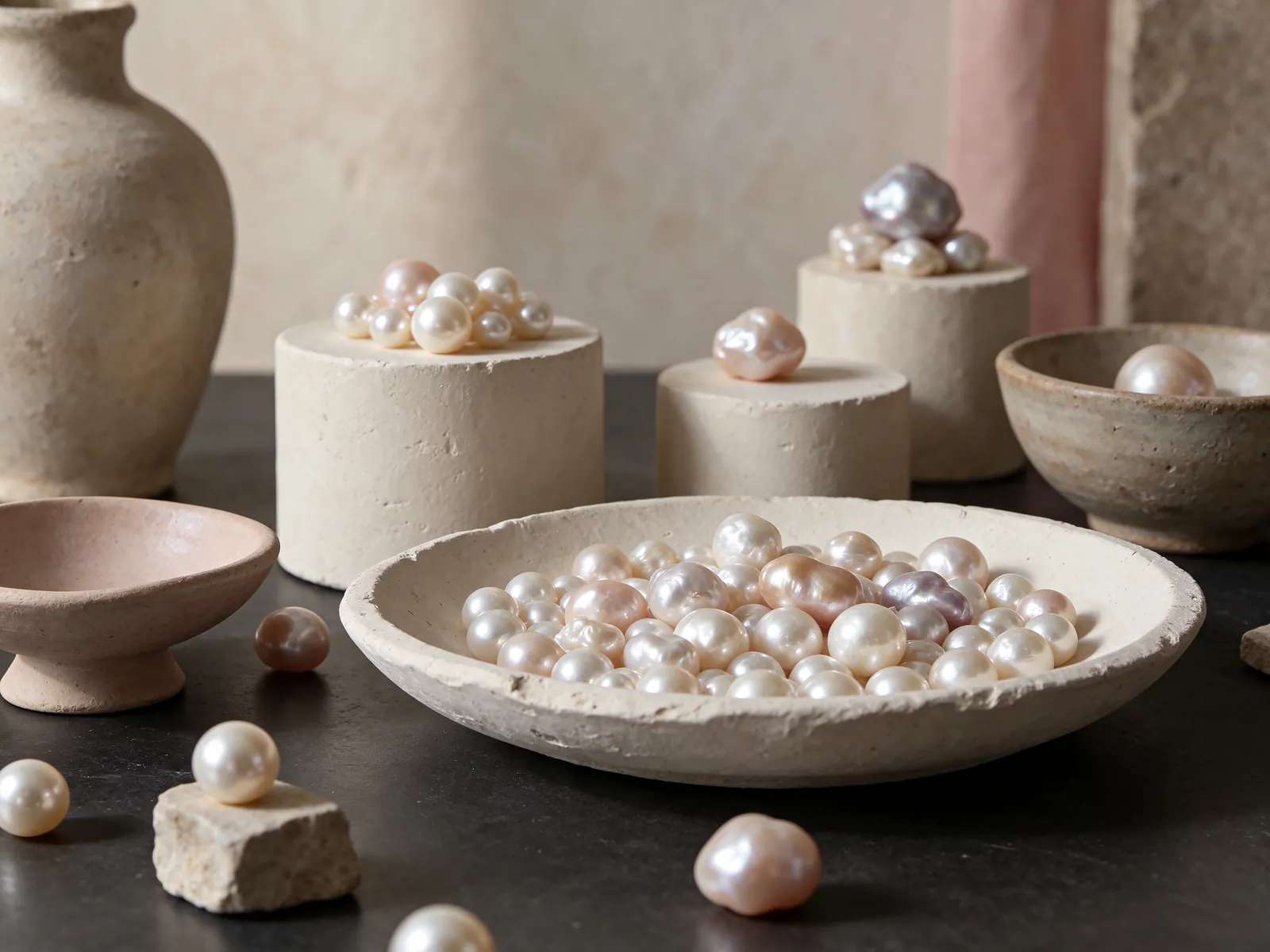
Style around collars, hair and outer layers
For office clothes, decide whether you want a small visible curve within an open shirt or a complete strand over the fabric. Then check the contact points at the back of a jacket or a stiff collar. If a scarf is part of your commute, arrange the necklace first and add the scarf loosely. When removing the scarf, take care not to catch the clasp or drag the necklace out with the fabric.
For a dinner outfit with a wider neckline, inspect the back with both your intended hairstyle and any wrap you plan to wear. Put the wrap on and take it off once to notice where it passes the fastening. Choose the main visual focus before adding earrings: a clear pearl curve can work with restrained ear jewellery, while a more prominent earring may benefit from a necklace position that does not compete with it.
Treat front-facing clasps as a design question
Only move a clasp forward if the specific design allows that wearing direction. Assess the neckline space, the connection and access to the opening after moving it. A fastening half hidden by the edge of a garment may interrupt the intended effect. If front placement is unsuitable, echo the metal colour elsewhere instead of forcing the strand into a different arrangement.
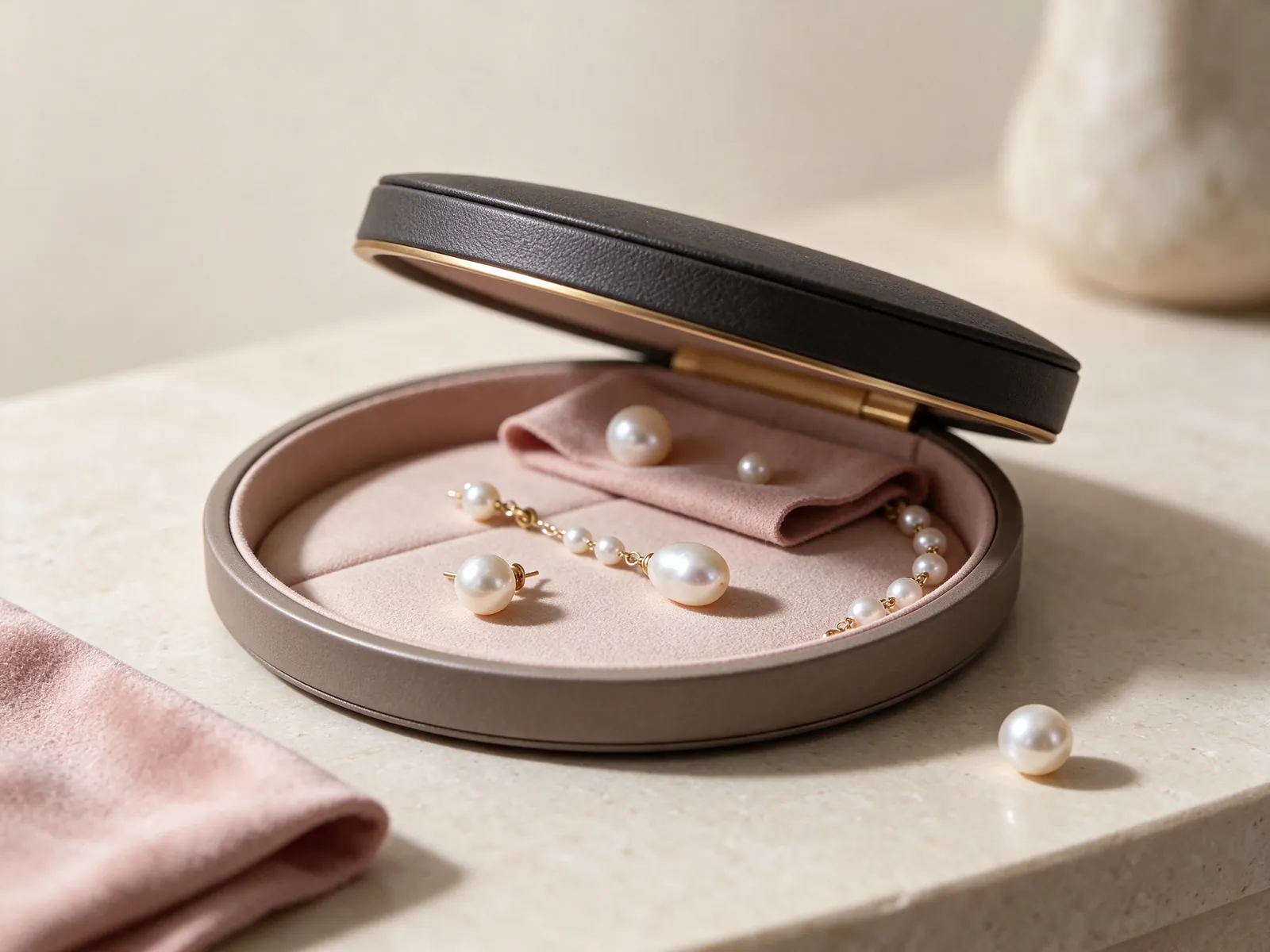
Care for the complete strand, not just its platinum detail
Pearls, string and clasp form one necklace, so a metal-cleaning habit cannot simply be applied to the whole piece. GIA places pearl at 2.5 on the Mohs hardness scale and states that pearls should never be cleaned with ultrasonic or steam cleaners. For routine care, use a very soft clean cloth after wearing. Avoid rubbing the metal clasp across pearl surfaces or packing the strand tightly against hard-edged jewellery in storage.
Keep perfume, hair spray and acids away from pearls. Finish hair styling and apply perfume before putting on the necklace to reduce direct spray contact. Remove it by its intended fastening action rather than pulling against the strand. If water cleaning has wet the string, GIA advises that it must be completely dry before wearing. A polished-looking clasp does not tell you whether the opening mechanism or connecting string is in sound condition.
Know when to pause wearing and inspect the fastening
If the clasp no longer closes as intended, a connection has shifted or the string shows visible wear, lay the necklace down and have the issue assessed. Do not repeatedly tug to test it. Describe which action has changed and where you noticed the problem; that is more helpful than trying to diagnose it from the platinum name alone.
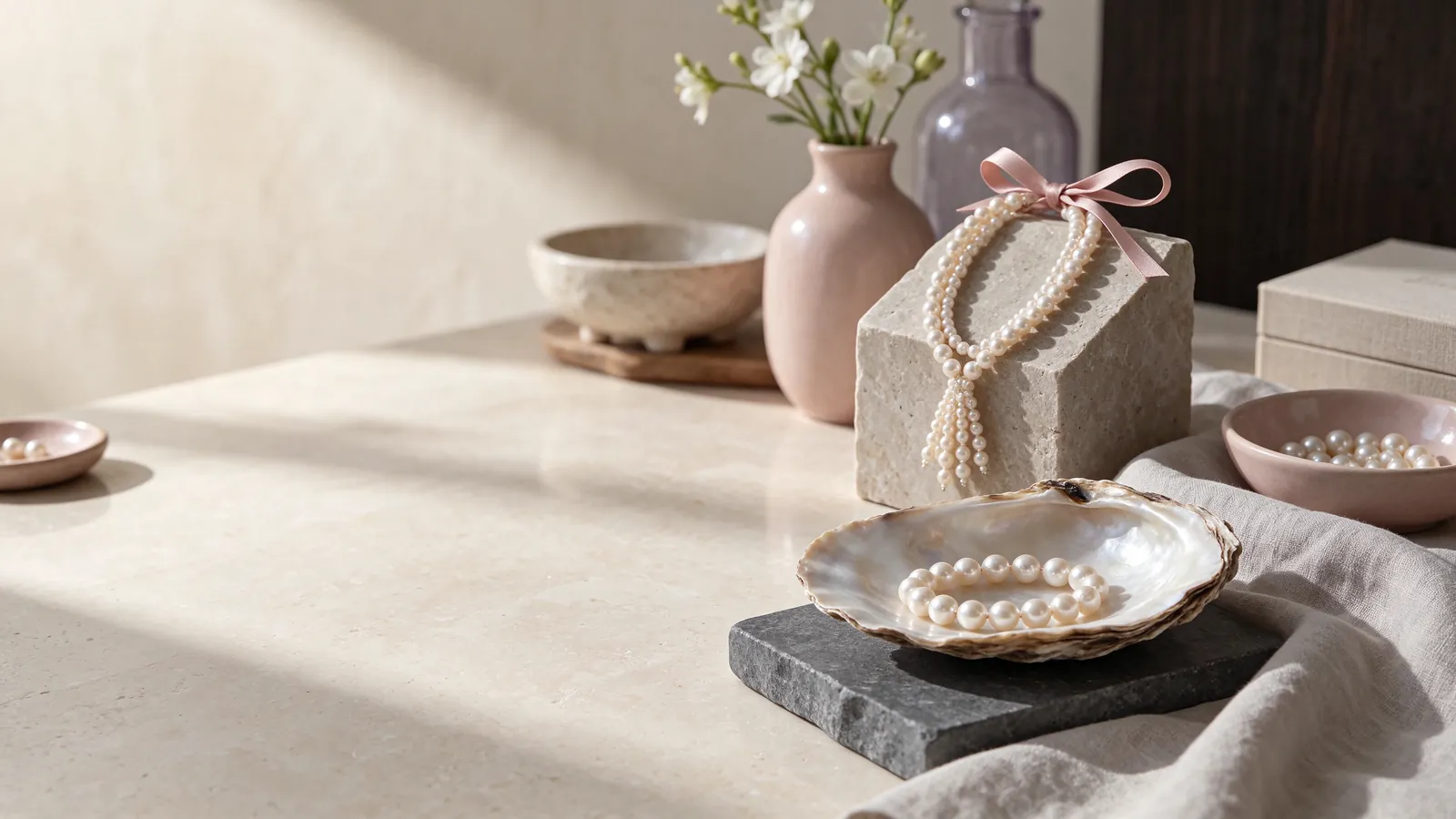
Turn fitting impressions into a clear personal brief
Record the position you liked, the neckline you tried and whether you could fasten and remove the necklace independently. When comparing a PT950 clasp pearl strand with a PT900 clasp pearl necklace, establish whether the actual clasp shapes and strand layouts are comparable before discussing your material preference. A difference in handling may come from structure or position rather than metal. Use photographs for proportions and short written notes for sensations a photograph cannot capture.
When discussing necklace styling with Flint Jewellery, start with familiar clothes and real wearing habits. A neckline photograph, the position of a necklace you already enjoy, and your preference for a visible or concealed clasp create a useful starting point. Mention regular scarves, an updo or any contact point you dislike. These details allow the conversation to address length and fastening together without making a broad material label carry the entire decision.
Decide what is essential and what can change
Separate essentials from preferences: independent fastening might be essential, while total concealment of the clasp could be negotiable. If a choice looks good while still but requires constant repositioning during normal movement, revisit the collar and placement. A considered choice has a practical reason you can explain, not simply an appealing photograph or a familiar material name.
Would you like to turn these fitting observations into a clearer necklace brief? Contact Flint Jewellery on WhatsApp (https://wa.me/85260106207) with your usual neckline, preferred strand position and any fastening step you find awkward. Start with those everyday needs, then discuss the design considerations that matter to you.
| Situation | Strand position | Clasp observation | Action to try | Decision focus |
|---|---|---|---|---|
| Crew-neck top | Above the edge or clearly on fabric | Does the back collar lift it? | Sit and turn your head | Choose a natural curve |
| Open shirt | Use your normal button arrangement | Contact with a stiff collar | Raise arms and adjust the collar | Avoid a partly hidden strand |
| Independent fastening | Use the intended wearing direction | Can you recognise the opening? | Practise over a soft surface | Separate access from mechanism |
| Dinner outfit with wrap | Check front and back together | Hair or fabric catching the clasp | Put on and remove the wrap | Show the clasp only as designed |
| After wearing | Rest the strand without crowding | Keep metal off pearl surfaces | Wipe softly and inspect connections | Consider pearls, string and closure |
Pearl knowledge and authoritative references
GIA places pearl at 2.5 on the Mohs hardness scale and advises against ultrasonic or steam cleaning, making pearl-aware care important even when the clasp is platinum.
Read the reference for this factFrequently asked questions
Does PT950 or PT900 tell me which clasp will be easier to use?
No. Those names identify material options, not the opening mechanism. Shape, wearing position and your own hand movements influence handling. Compare the actual designs with the same garment and try fastening and removing each yourself.
Should I shorten a strand to hide its clasp behind my collar?
Not automatically. Shortening may change the front curve and access to the fastening. First assess whether the collar is lifting the clasp and whether another intended position would suit both the outfit and your normal movements.
Can I move any platinum clasp to the front for a dinner outfit?
Only if the specific design allows that wearing direction. Check the connections, the neckline space and access to the opening. If it does not suit front placement, coordinate metal colour with other accessories rather than forcing the arrangement.
Does a platinum clasp establish that the pearls are Akoya?
No. Clasp material and pearl identity are separate information. A round white photograph also cannot establish identity. Discuss the pearl details separately, then assess the arrangement and fastening as a complete necklace.
Can I use my usual ultrasonic metal cleaner on the strand?
No. GIA states that pearls should never be cleaned in ultrasonic or steam cleaners. Routine care uses a very soft clean cloth. If the string becomes wet through water cleaning, wait until it is completely dry before wearing.
Updated: