
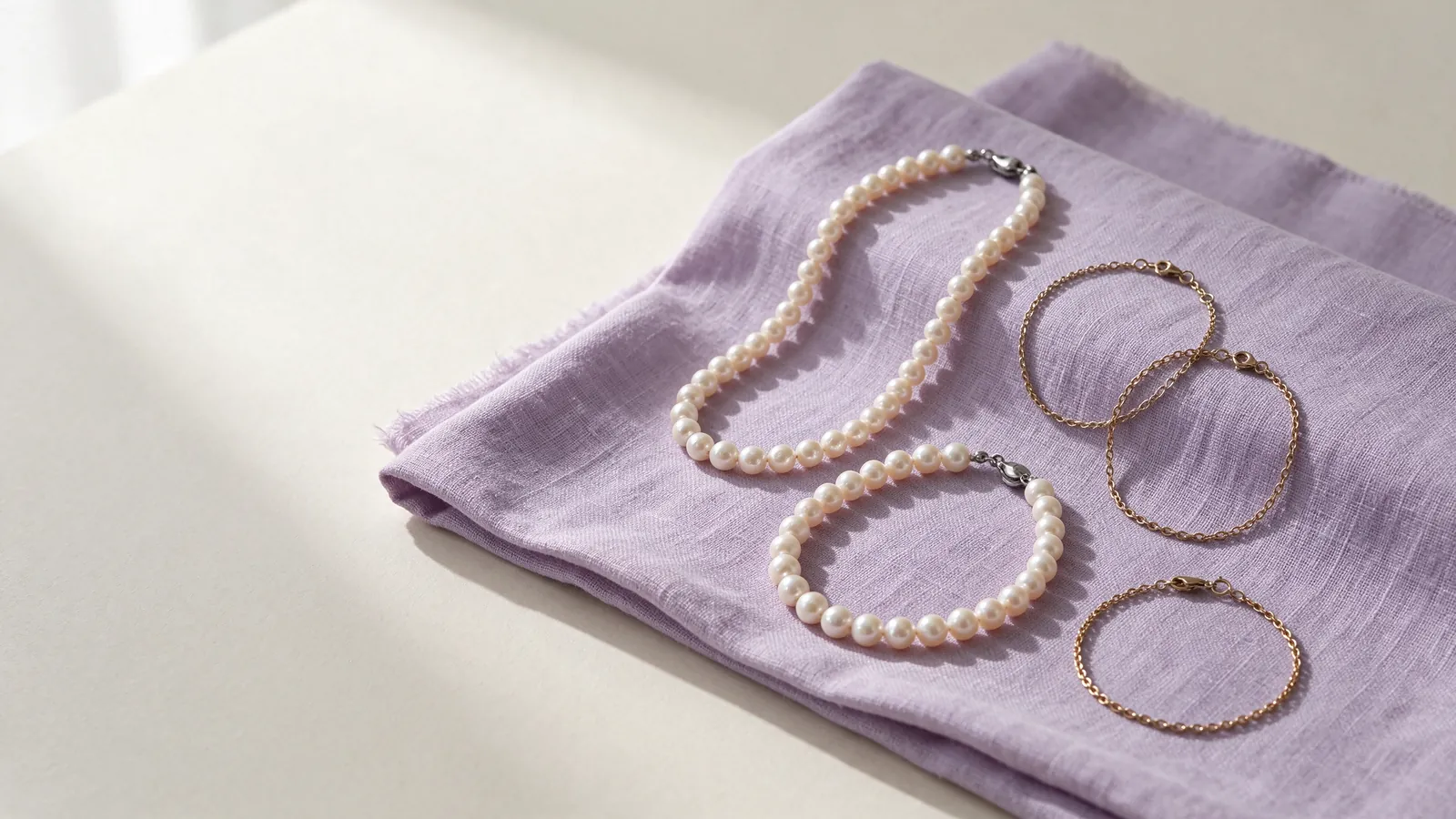
How Do You Compare Wrist Fit for a black Akoya pearl bracelet or an Akoya black pearl bracelet?
Begin with the wrist, not with a bracelet laid flat in a photograph. Place a flexible measuring tape at your usual wearing position so it rests against the skin without pulling tightly. Repeat with your hand relaxed and check that the position stays consistent. Then identify what the bracelet description measures: total length, length when closed, and recommended wrist size are not the same thing. A pearl bracelet wraps around the wrist with three-dimensional components, so the visible thickness and construction influence how a stated length feels on your arm.
Decide how much movement you want by testing familiar actions. Reach toward a keyboard, rotate your hand, bend your wrist gently, and pull your usual sleeve into place. A bracelet that looks balanced with a straight arm may slide toward the hand when you work. Notice where the clasp settles and whether a pearl presses against the desk. There is no single amount of room that suits everyone. Compare the actual wearing behavior rather than assuming that a closer fit is secure or a looser fit is always comfortable.
How Do Clasp Position and Overall Length Affect the Fit of a black Akoya pearl bracelet or an Akoya black pearl bracelet?
Check whether the total includes the clasp, which fastening point is being measured, and whether closing the ends changes the usable length. With multiple fastening positions, identify the one you would actually wear. Also practice reaching and holding the clasp with one hand. A numerical fit can still feel awkward if the closing component consistently rotates out of reach.
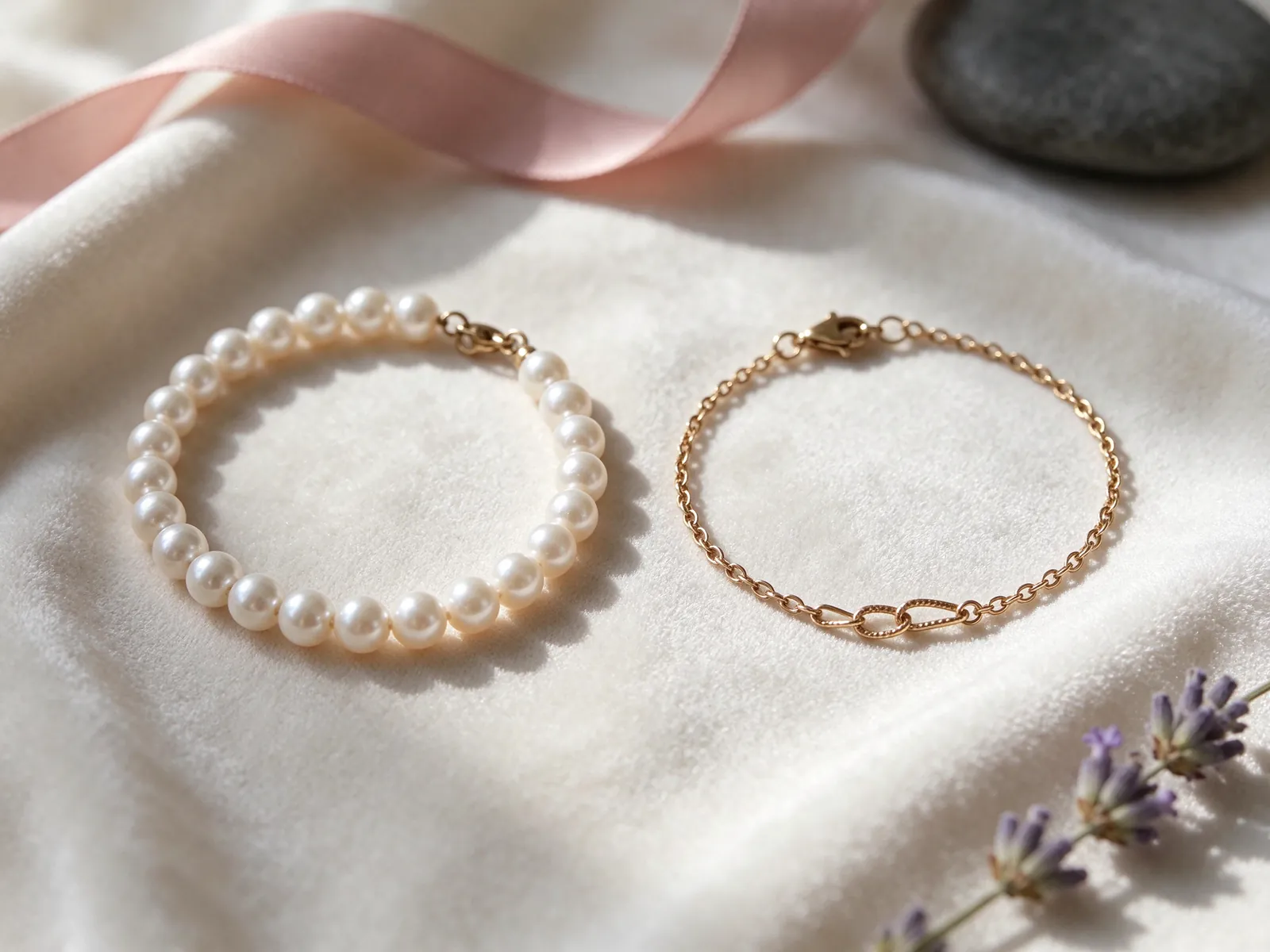
Treat identity and color as different pieces of information
The phrase black Akoya pearl bracelet introduces a pearl name and a color description together. Akoya black pearl bracelet uses the same ideas in a different order; neither expression explains every detail of the pearls. The general phrase black pearl bracelet is broader still. If you are starting with names, read the material statement first, then use a pearl bracelet size guide to keep fit measurements separate from identity. A dark look does not by itself establish pearl type, origin, natural-versus-cultured identity, or the way the color was produced. Each of those questions needs its own information.
When comparing descriptions, make separate entries for the pearl material, appearance, shape, and arrangement. A color-only label leaves a different set of questions open from a description that explicitly discusses material and color formation. Do not rename Akoya as Tahitian because both images seem dark, or carry details from one bracelet to another because the photographs resemble each other. An Akoya pearl bracelet guide can help with the broader fit and proportion questions while you keep the color discussion distinct. Similar styling is not evidence of identical pearl identity.
Use pictures for layout, not for an identity verdict
A picture is useful for seeing pearl placement, the balance of metal detail, and contrast with clothing. It cannot independently prove origin or treatment status. If color formation is central to your decision, read the explicit description of the piece and what any professional examination document actually covers. Visual appeal and an identity determination answer different buying questions.
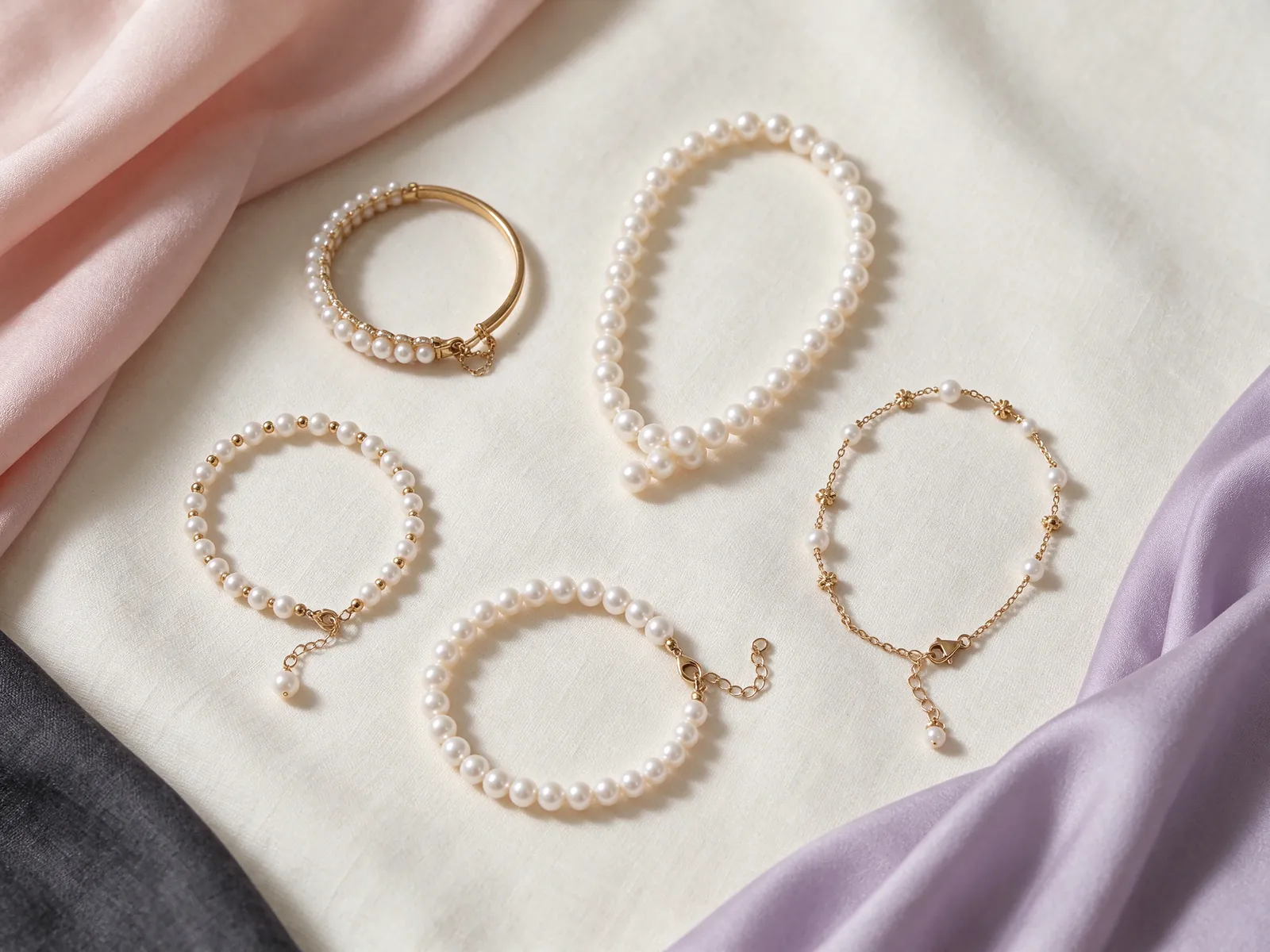
Compare reflections before judging the shade
Start in soft light with a relatively neutral background. As you turn the bracelet, watch the clarity of reflections and how neighboring pearls change together. Deep color can make a bright highlight dramatic, but drama is not a complete quality assessment. Camera exposure, display brightness, and reflected clothing colors can all change a photograph's appearance. If you compare two images taken in different surroundings, avoid treating their apparent difference as a precise color comparison. Consistent conditions make it easier to decide which visible effect you prefer.
GIA describes bodycolor, overtone, and orient as distinct color components; not every pearl has all three. Words suggesting gray, green, or purple impressions describe what may be seen, not necessarily how that appearance came about. For a bracelet, observe whether the progression between pearls feels even or deliberately varied to your eye. Some wearers prefer a quiet sequence, while others enjoy visible changes. Look at the complete arrangement as well as each pearl, and do not turn a personal preference for one look into a universal judgment about quality.
Check the effect beyond a close-up view
Try the bracelet beside a light cuff and then a dark cuff, using clothing from your own wardrobe. Look both close up and at a normal conversational distance. A shade that dominates a large photograph may read as a subtle outline in person. The most useful comparison is the one that resembles the place and clothing in which you plan to wear it.
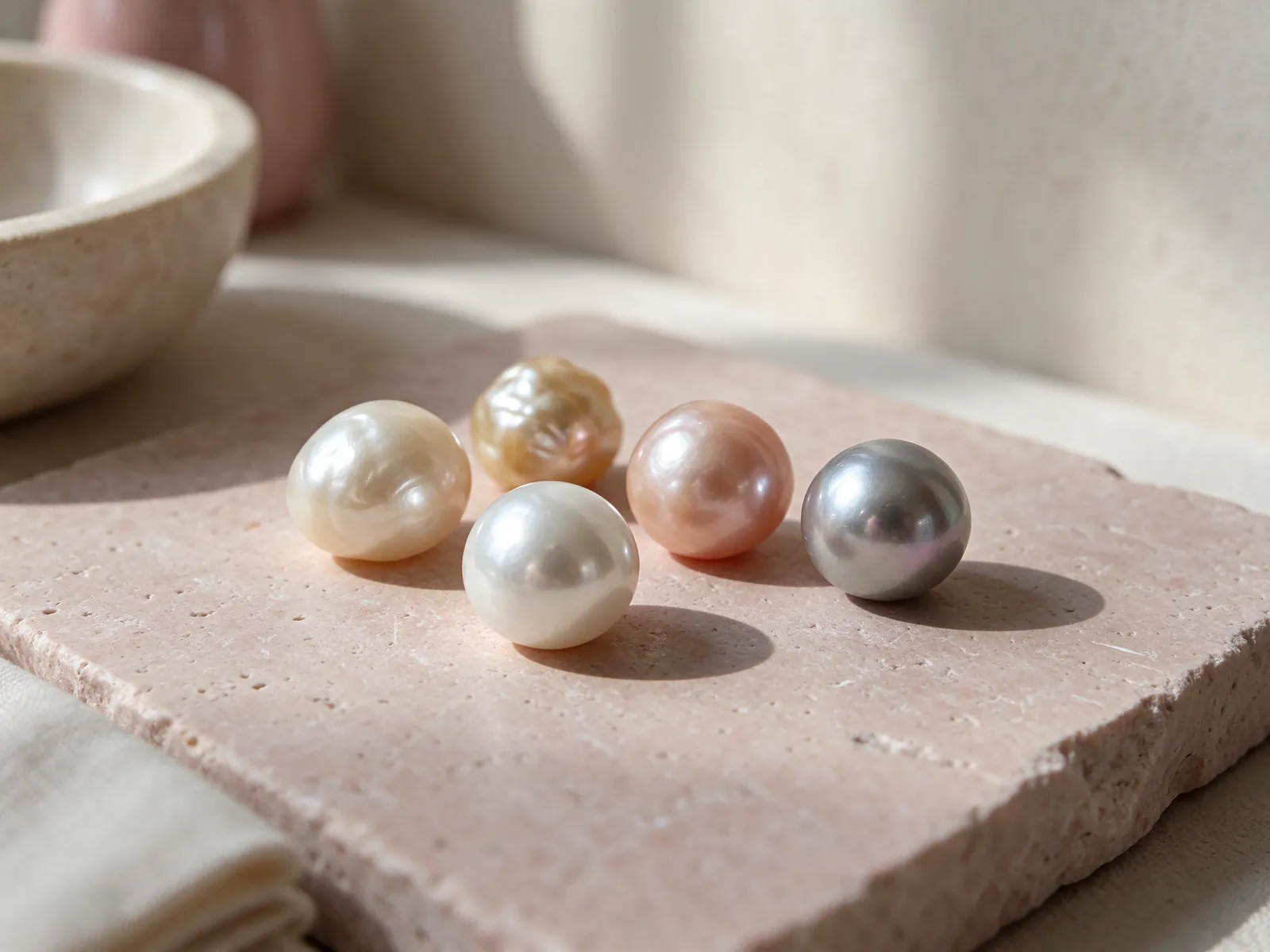
Build a quality comparison around more than black color
GIA identifies seven pearl value factors: size, shape, color, luster, surface quality, nacre quality, and matching. Use them to organize the questions you ask about a bracelet rather than letting the color name carry the whole decision. First observe the complete rhythm around the wrist, then inspect individual reflections and visible surface details. A well-coordinated appearance may still be the wrong scale for your preferred style. The framework supports comparison; it does not mean that an ordinary image can establish a laboratory grade or certify a specific bracelet.
Visible surface features need context. Their location, viewing angle, and relationship to bright reflections affect how noticeable they are during wear. Matching involves relative size and shape as well as color, so compare adjacent pearls and the overall sequence. Decide what matters most to you before narrowing the choices: perhaps clear reflections, a restrained wrist profile, or a more varied arrangement. Concrete priorities are easier to discuss than words like luxury or top quality. They also prevent a single appealing feature from masking a fit or construction issue.
Know which observations require more than a photo
Visible luster and surface appearance can be compared by looking closely, while comfort requires movement and wearing experience. Technical matters such as nacre quality cannot be reliably measured from a standard product image. Do not infer nacre thickness from a sharp highlight. Read the actual description separately from the visual effect so each piece of information stays within its limits.
Match pearl scale and shape to the clothing you wear
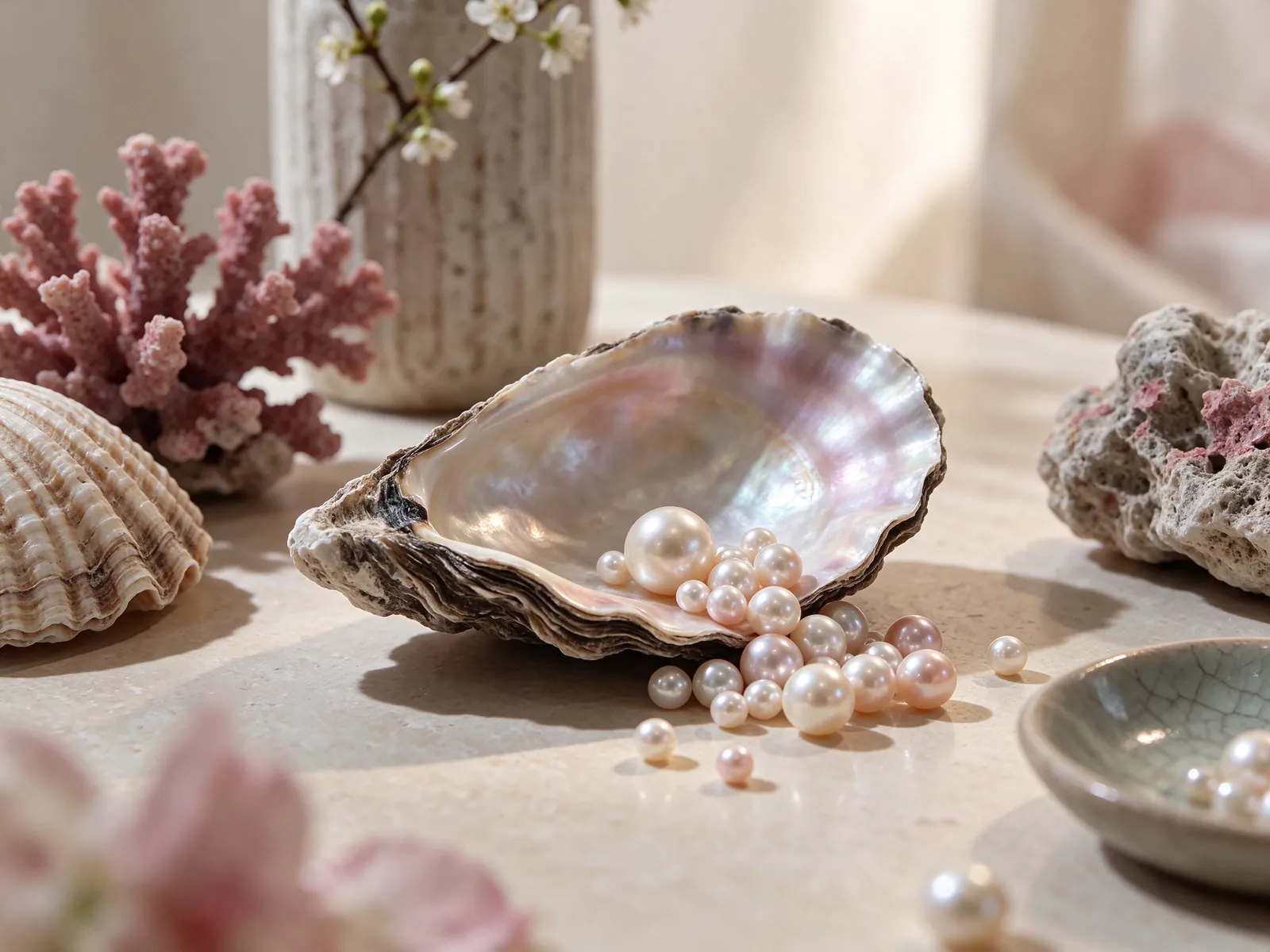
A bracelet's visual weight comes from proportion, spacing, and exposed wrist area, not simply from a dark shade. A small pearl bracelet is a helpful comparison if you want a finer pattern near a shirt cuff, though its actual comfort still depends on structure and fit. Try the outline with a jacket, sweater, or shirt you wear often. Check whether it is fully hidden, briefly visible as you move, or clearly the main accent. Choose the role you want the bracelet to play before deciding how prominent the pearls should look.
For a less regular visual rhythm, a baroque pearl bracelet offers shape ideas without making shape evidence of pearl type. If your main question is contrast, compare a white pearl bracelet direction against the same clothing. A darker arrangement can define an outline, while a lighter one can introduce a brighter accent; either may suit casual or dressier clothing depending on the design. Keep those styling preferences separate from the material description. Once you like the look, return to fastened length and clasp behavior so the appearance is supported by a practical wearing choice.
Think about a watch as a moving neighbor
A watch and bracelet may look coordinated while stationary but touch repeatedly when you turn your wrist. Check the watch case, buckle, and sliding range. Opposite wrists can help separate them. If you choose the same wrist, assess actual contact rather than assuming that a tightly stacked arrangement protects the pearls or that a photograph demonstrates comfortable daily use.
Look at the fastening system as well as the metal color
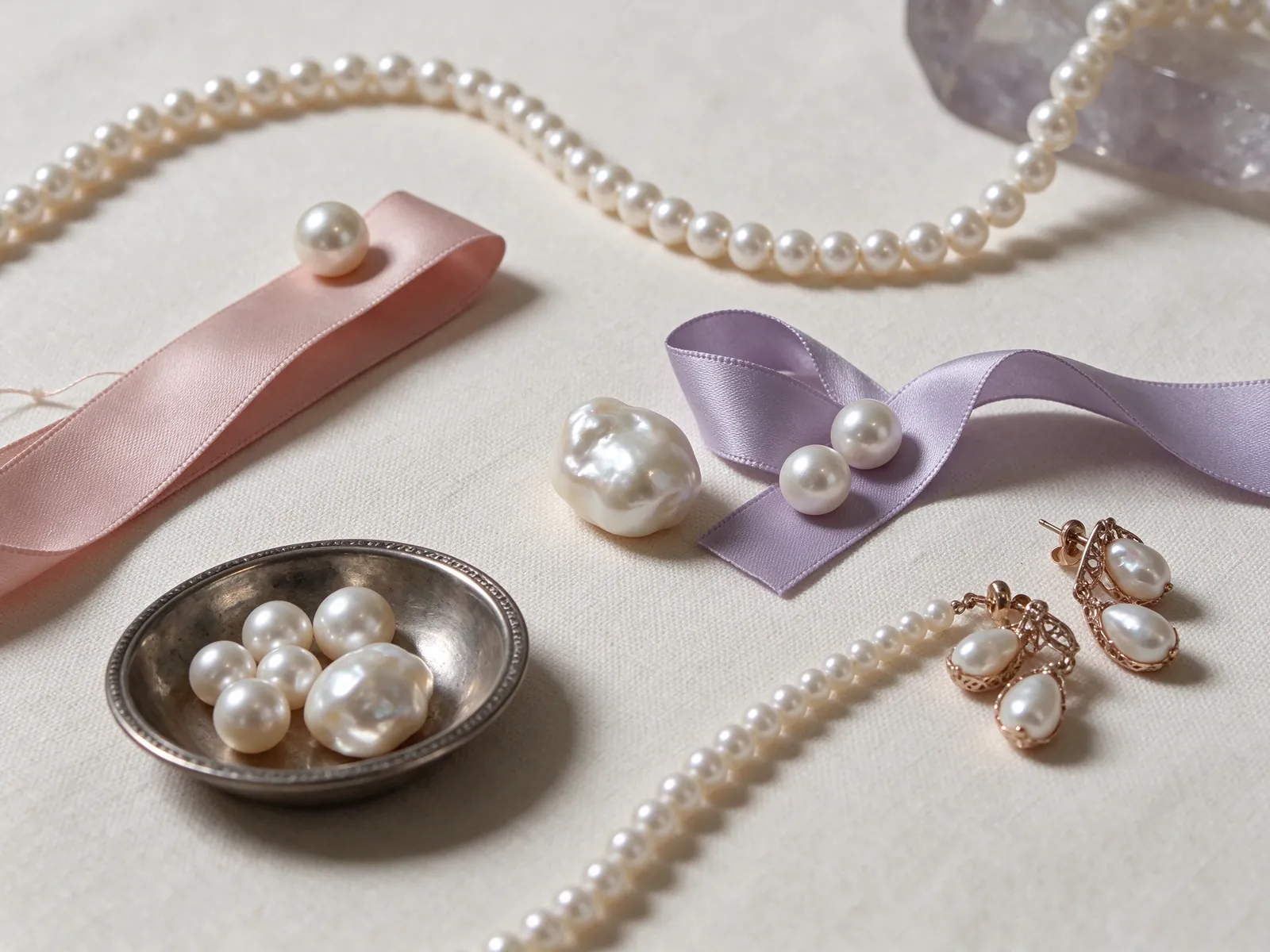
Read the stated metal material rather than identifying it from a picture. Design descriptions may distinguish 18K 750 white gold, 18K 750 yellow gold, 18K 750 rose gold, PT950 platinum, and PT900 platinum. For styling, also consider how much metal remains visible beside the dark pearls. Cooler-looking details can emphasize a clean outline, while warmer-looking details can add contrast. These are appearance choices, not assurances about skin reactions or durability. The color of a clasp in an image does not establish what it is made from.
A useful fastening test includes access, direction, and contact. Can you open and close it without struggling to keep the bracelet in place? Does the component catch the sleeve or migrate beneath the wrist when your hand rests? Size alone does not establish strength, and a slim-looking clasp does not automatically feel better. If there is an extension, observe the end as you move and see whether it touches pearls or surfaces. Choosing a pleasing metal accent should not overshadow these small actions that determine everyday usability.
Notice where the construction changes the fit
A continuous pearl strand bends differently from a bracelet with moving chain sections. Look at how the strand meets the clasp, or how individual pearls turn between chain segments. A pressure point at one connection is not necessarily a sign that the entire bracelet is too short. Describe the specific location and movement before deciding that more overall length is the answer.

Choose a care routine you can realistically follow
A wrist accessory is exposed to different daily contact than an item worn farther from the hands. GIA lists pearl at 2.5 on the Mohs hardness scale, so avoiding scratches is a relevant consideration around desks and watches. That value is not a safe-impact rating. Remove pearl jewelry before exercise, cleaning, and handling household chemicals. Put it on after perfume, hair spray, and personal care products. Do not assume that a darker surface tolerates abrasion or chemical contact better simply because marks may be less obvious in a photograph.
Gently wipe the pearls with a very soft, clean cloth after wear and keep them apart from jewelry that could scratch them. GIA advises that pearls should never be cleaned using ultrasonic or steam cleaners. If a strung bracelet is cleaned with water, its string must be completely dry before it is worn again. Avoid excessive heat and let the bracelet rest without pulling its connections taut. If your work involves frequent handwashing, decide where you will remove and safely store it. A workable daily routine is part of a sensible purchase comparison.
Finish with a practical decision checklist
Bring together your wrist measurement, preferred room, regular sleeves, watch habits, and the stated pearl information. Add the quality features you value most and a plan for removal and storage. This turns a color-led search into a decision about appearance, movement, and use. The best comparison explains why a wearing style suits your routine without assigning facts that its name or photograph cannot establish. For help organising your wearing preferences, contact Flint Jewelry on WhatsApp at +85260106207 with your wrist measurement, preferred ease and usual sleeve style.
| Decision area | Information to compare | Practical test | Mistake to avoid |
|---|---|---|---|
| Pearl identity | Read material and color formation as separate statements | View the arrangement in similar light | Equating dark Akoya with Tahitian |
| Wrist fit | Separate total length, closed length, and suggested wrist size | Reach, rotate, and check the clasp position | Assuming matching lengths feel identical |
| Quality priorities | Use GIA's seven pearl value factors | Inspect surface, reflections, and matching | Treating a striking color as certification |
| Fastening | Check access, usable points, and extension movement | Try closing it and wearing your regular sleeve | Judging strength from clasp size alone |
| Daily care | Pearl has Mohs hardness 2.5; no ultrasonic or steam cleaning | Plan removal near water, chemicals, and desk contact | Treating dark appearance as a protection guarantee |
Pearl knowledge and authoritative references
GIA lists pearl at 2.5 on the Mohs hardness scale. For a bracelet, this makes avoiding scratching contact with desks, watches, and other jewelry a relevant daily consideration.
Read the reference for this factFrequently asked questions
Can the words black pearl identify the pearl species?
No. They describe a broad appearance, not a complete material identity. Read the pearl description for the piece; neither a color word nor a photograph supplies the missing identity information.
Why might a dark bracelet look purple in one picture and gray in another?
Lighting, background reflections, camera exposure, and display settings can affect the appearance. Compare it under similar conditions. A visible shift does not by itself explain how the color formed.
Is a closer wrist fit always better for desk work?
Not necessarily. A close fit can still create pressure at a pearl or clasp, while a loose fit may slide under the hand. Try typing and wrist rotation, and identify the actual contact points rather than choosing by tightness alone.
Does an irregular pearl shape make the bracelet an Akoya design?
No. Shape is one comparison factor, not proof of pearl type. Use the written pearl material description for identity and consider the irregular outline separately as a styling preference.
What should I do after cleaning a strung pearl bracelet with water?
GIA advises letting the string dry completely before wearing the pearls again. Pearls should not be placed in ultrasonic or steam cleaners, and routine after-wear care uses a very soft, clean cloth.
Updated: