
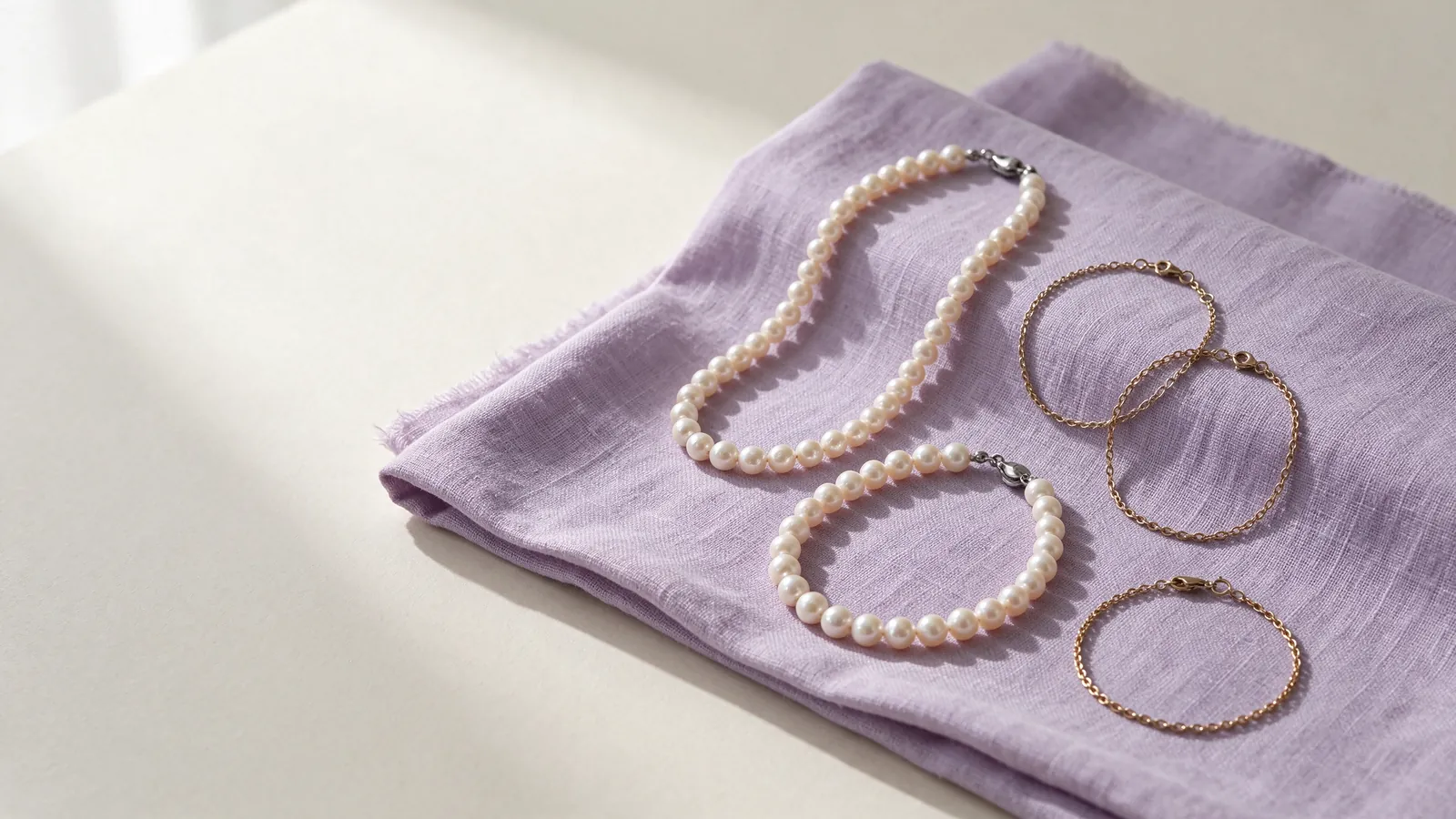
How can a pistachio green pearl bracelet or pistachio pearl bracelet suit your wardrobe and wrist size?
Think of a pistachio green pearl bracelet as part of an outfit, not an isolated green object. Place the shade beside a shirt or jacket you wear regularly and include enough fabric to see the overall relationship. Warm ivory may produce a quiet combination, while a dark sleeve may make the wrist accent more noticeable. Decide which effect you want before judging how closely the bracelet resembles the color in a photograph.
Comfort deserves the same attention as color. A pearl bracelet style guide can introduce different strand and chain layouts, helping you decide what kind of structure fits your routine. Check the fastening when you rest your wrist on a desk, pull on a sleeve or reach for a bag. A bracelet that looks balanced with your clothes should also allow ordinary movement without repeated catching, localized pressure or pulling.
When comparing a pistachio green pearl bracelet with a pistachio pearl bracelet, how can you assess color and room for wrist movement?
Make two comparisons rather than one. First observe color on a neutral background in soft daylight and indoor lighting, turning the strand to distinguish its main shade from reflections. Then check movement on the wrist with your arm relaxed, lifted and gently bent. Notice whether pearls bunch together or the clasp settles against the wrist bone. Do not pull the strand tight as a fit test.
Understand what a green label can and cannot describe
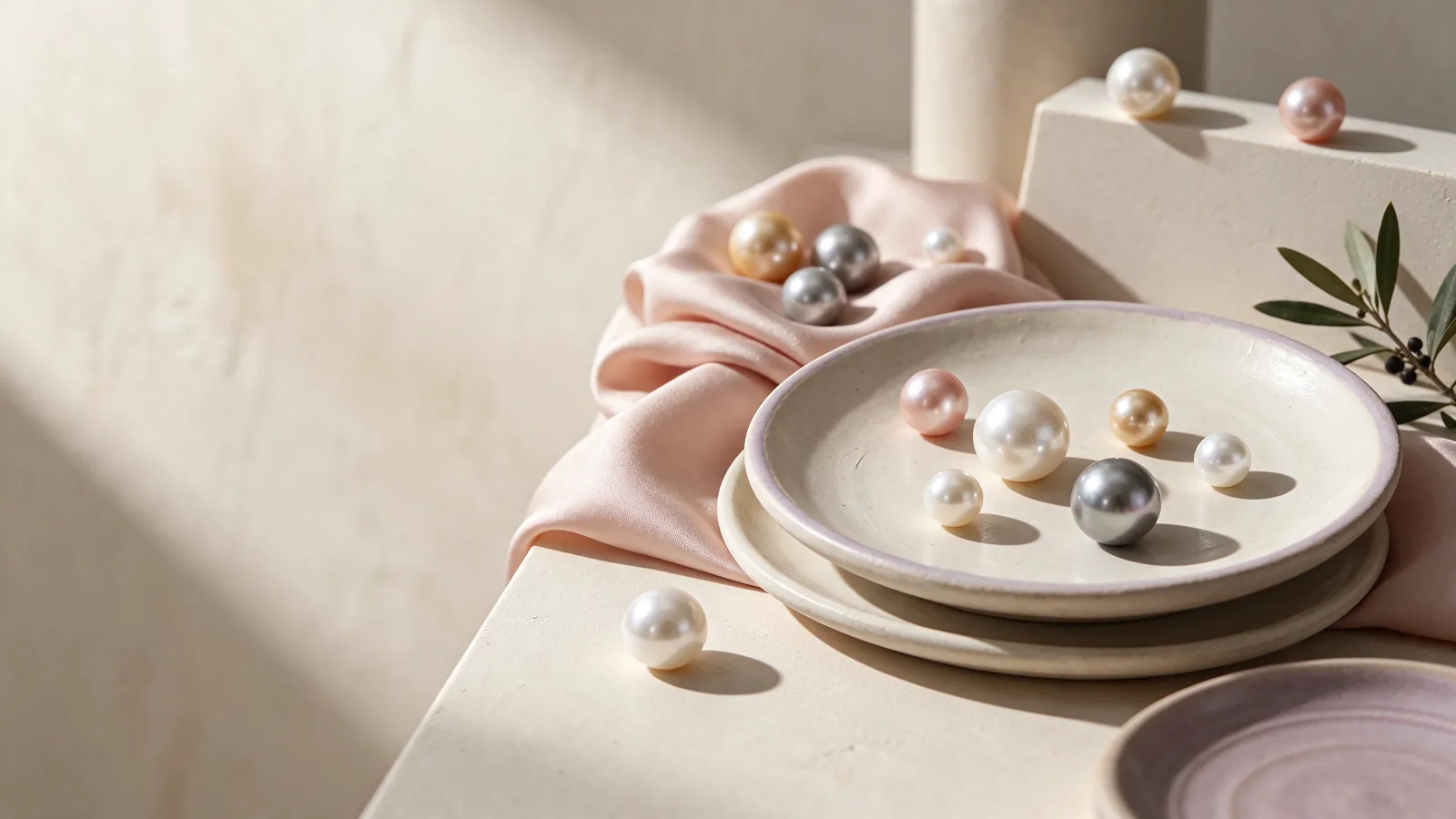
Pistachio, pale green and similar labels organize visual preferences; they are not a common standard for pearl identity. A green pearl bracelet name does not establish pearl type, origin, natural or cultured status, or color treatment. Look for separate descriptions of those characteristics. An attractive appearance is a reason to investigate a style, not a basis for supplying missing details from another product or from your own expectations.
GIA discusses bodycolor, overtone and orient as distinct color components, while noting that not every pearl has all three. You can use that distinction to ask what the predominant shade is and whether additional color impressions appear across the surface as it moves. This is more informative than measuring the bracelet against a single idea of green. Lighting and screen presentation can alter the impression, so photographs should not function as fixed color standards.
Use seven quality factors to broaden the comparison
GIA lists seven pearl value factors: size, shape, color, luster, surface quality, nacre quality and matching for multi-pearl jewelry. For a bracelet, visible relationships between shape, luster and color can help you judge the whole strand. Seven factors do not create a pistachio grade, and not all characteristics can be determined from a photo. The point is to avoid asking color alone to answer every quality question.
Choose whether soft green blends in or stands out
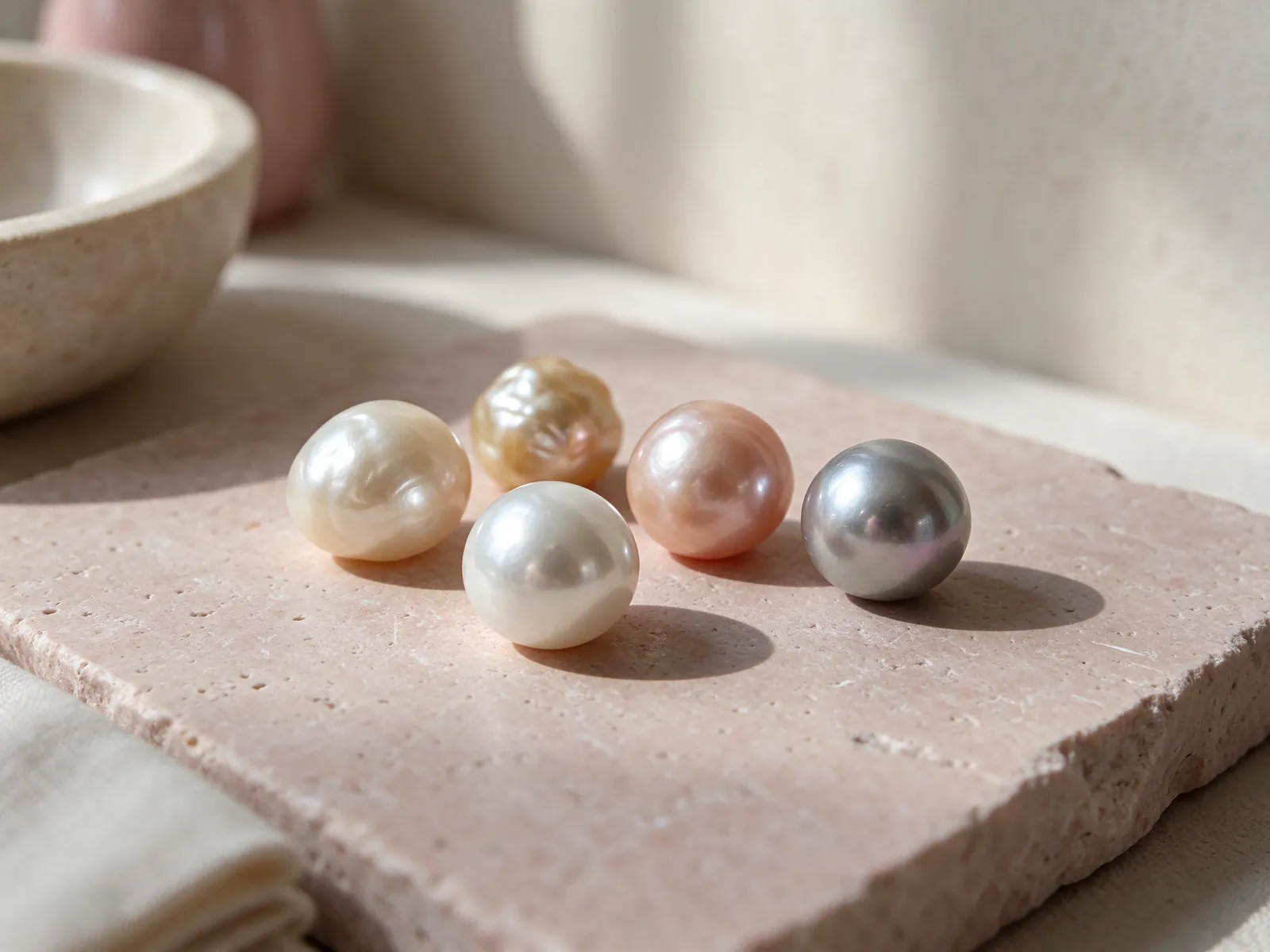
For a restrained combination, start with cream, warm ivory or beige. A white pearl bracelet comparison can help you decide between a neutral highlight and a soft green accent without assuming one is more appropriate for a particular occasion. Look at the full sleeve and wrist together. The same bracelet may feel understated beside one fabric and much more prominent beside another, even though its own description has not changed.
Lavender or pink offers another gentle color direction; denim, navy and charcoal allow a stronger contrast. Build the outfit in stages: bracelet and sleeve first, then a bag, earrings or another accessory. If patterned clothing, bright nails and several jewelry pieces compete, remove one element and compare again. Your familiar wardrobe provides a more useful test than a universal claim that a particular complexion should or should not wear green.
Adjust the outfit's focus for different occasions
You can change emphasis without increasing the number of accessories. A clear cuff line may keep the bracelet discreet at work; an evening outfit with fewer wrist pieces may bring its color and luster forward. Changing sleeve length can also alter its visual position. Begin by deciding whether the bracelet should support the outfit or become its principal color accent.
Read size descriptions before translating them into fit
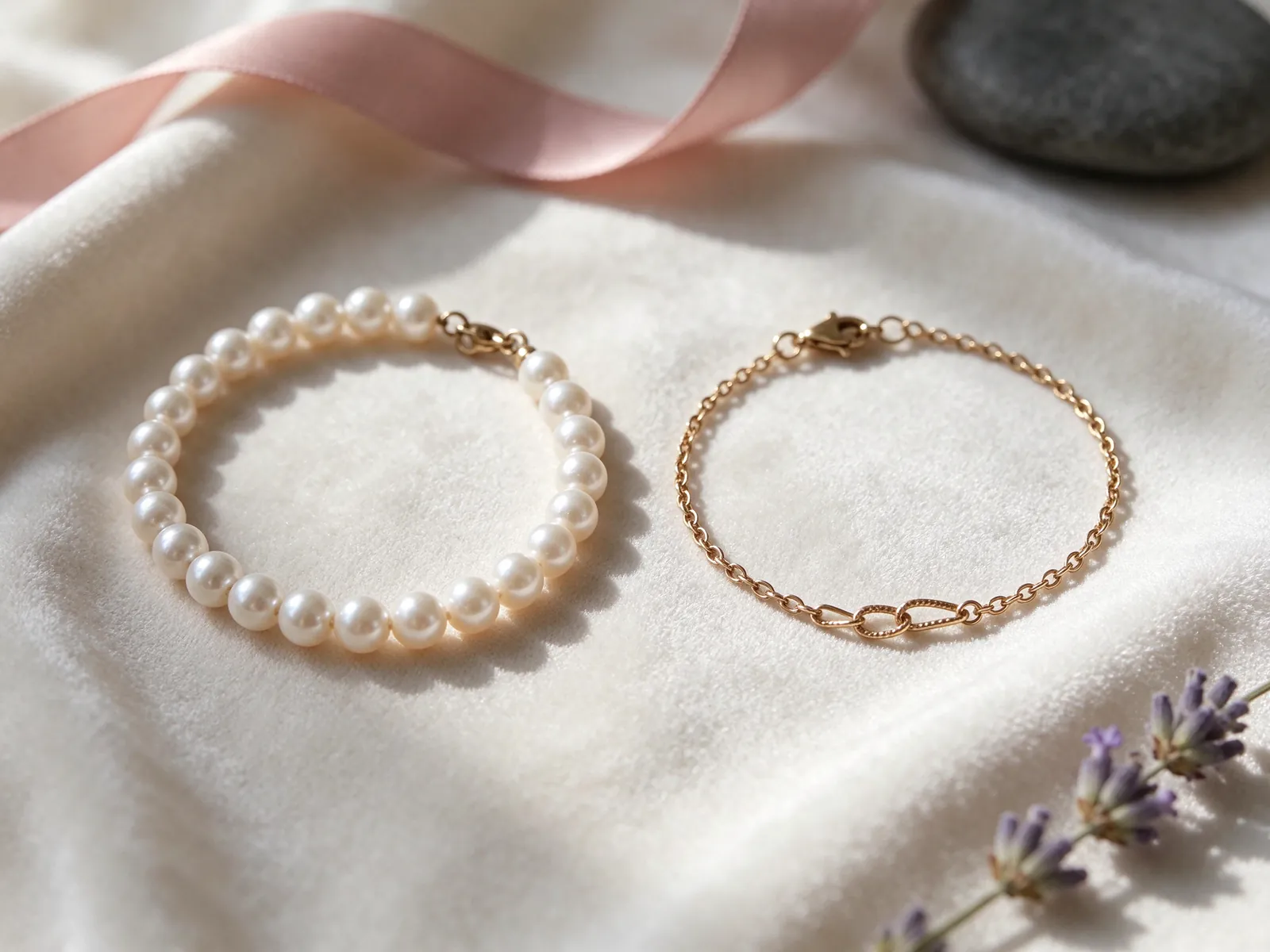
Use a flexible tape at the position where you intend to wear the bracelet, letting it rest against the wrist without squeezing. With a paper strip, mark the overlap and measure the strip flat. Note where you measured, not just the result. Wrist circumference and bracelet length describe different things: the latter also involves the construction and fastening. Clarify whether a size means total length, an adjustable range or internal wearing space.
Do not apply one automatic added-length rule to every strand. Pearl volume, chain sections and clasp arrangement can all affect the feel, and people differ in how much movement they enjoy. A preference for a close position near the wrist bone is different from wanting a bracelet to travel slightly along the wrist. Try ordinary gestures and your usual sleeves so that fit reflects actual use rather than a still pose.
Include putting it on in the comfort test
Check whether the fastening is comfortable to operate without forceful pulling. Then lower and raise your arm, turn the wrist and gently close your hand. If pressure appears in one spot, consider the clasp position and construction instead of judging only the overall looseness. How easily you put the bracelet on is part of its usefulness, particularly when you expect to wear it often.
Look at pearl spacing and the strand's visual rhythm
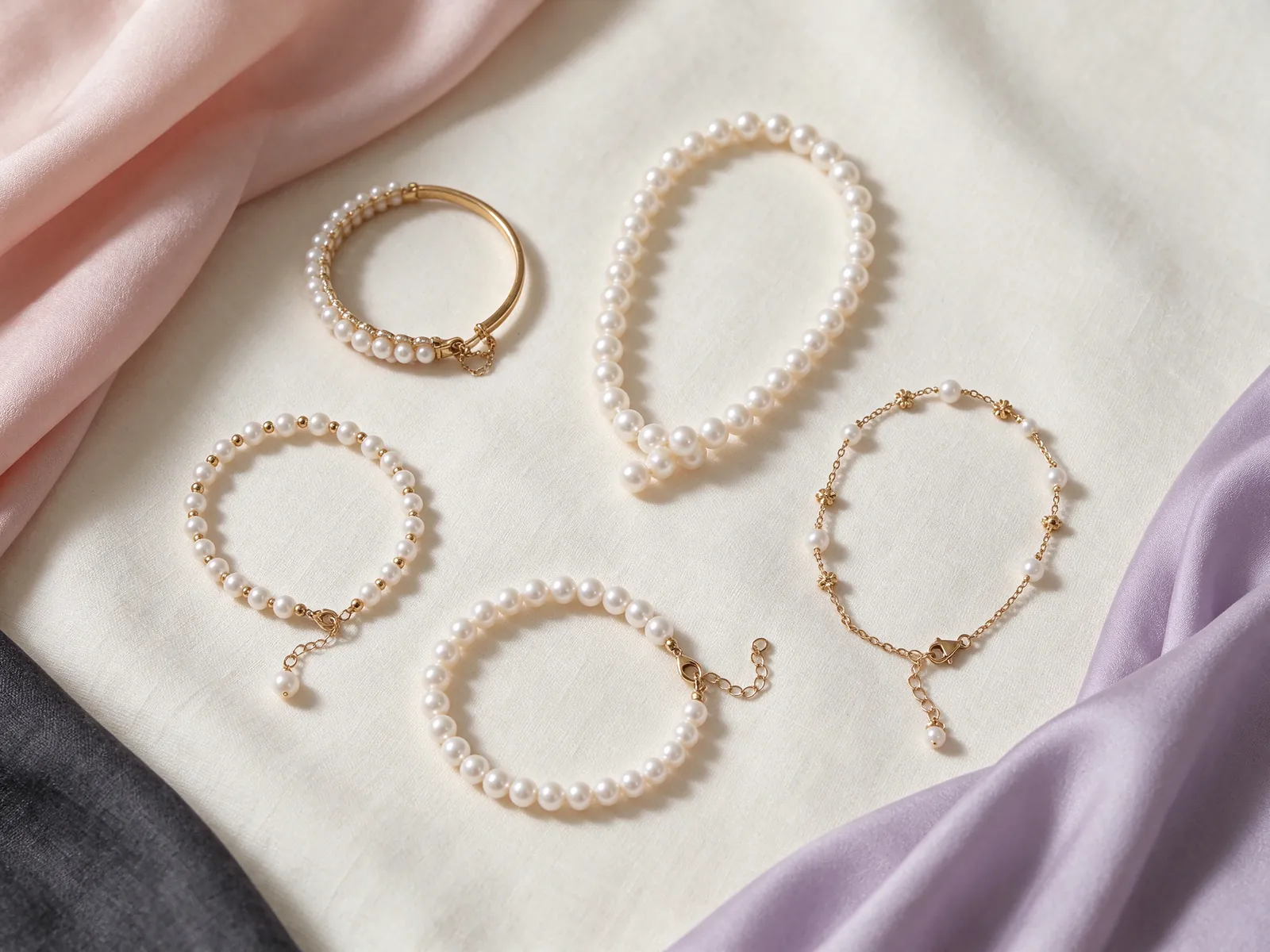
A small pearl bracelet guide is useful for thinking about visual scale, though small does not supply a fixed diameter or guarantee comfort. View the complete bracelet on the wrist rather than relying on one pearl photographed close up. Consider the spaces between pearls and the proportion of visible metal. The arrangement may feel quiet, substantial or open independently of the green color name attached to it.
A strand can be appealing without every pearl appearing identical. Some people prefer a gentle progression in shade; others want a consistent impression that is easier to coordinate with clothes. Follow the entire strand from the clasp, looking for differences in brightness or color that catch your eye. Decide whether those differences are an enjoyable feature or something that would interrupt your preferred look during daily wear.
Consider rubbing before combining wrist accessories
A watch or another bracelet may create a pleasing palette but also direct contact as the wrist moves. Assess each item alone before putting them together. If they collide or rub, wearing them on opposite wrists preserves the styling idea without that contact. The best combination is not necessarily the one that places every matching accessory beside the pearls.
Distinguish a metal tone from its material name
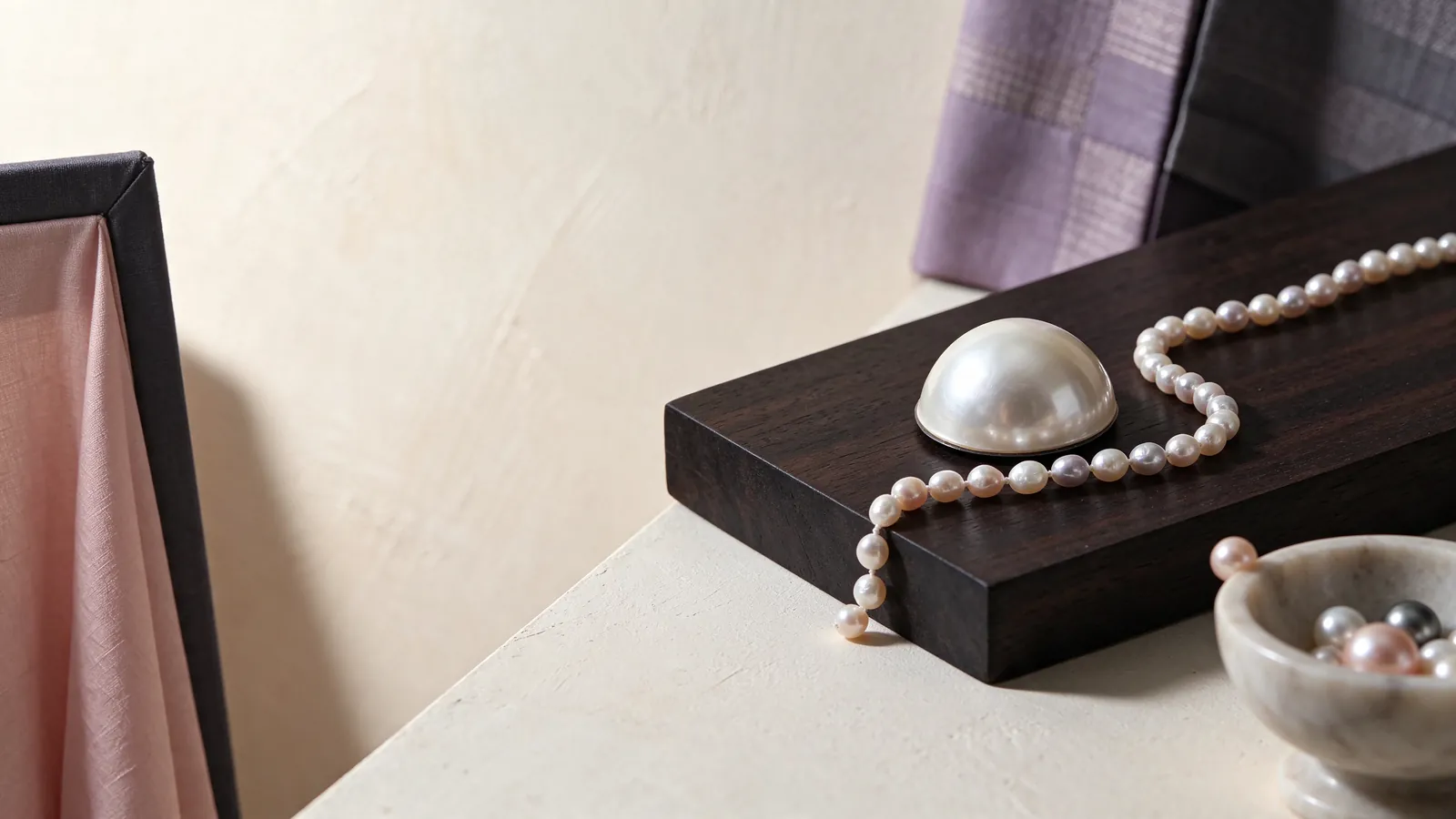
A cooler or warmer metal frame can change the way soft green reads in an outfit. Design conversations may include 18K 750 white gold, 18K 750 yellow gold, 18K 750 rose gold, PT950 platinum and PT900 platinum. These names do not establish the pearls' identity or color. If you also encounter a sterling silver pearl bracelet in your research, read it as a separate material comparison rather than assuming similar-looking metal tones describe the same material.
A 10k gold pearl bracelet search likewise belongs to its own comparison context, not a general category of anything that looks gold-colored. Separate your desired visual effect from the written material description. You might prefer a warm frame, a cool contrast or a fastening that is visually discreet, but none of those preferences answers how the green color arose. Material terminology also does not promise that a pearl's shade will remain unchanged.
Bring concrete priorities to a jewelry conversation
Describe your usual sleeves, preferred degree of contrast, comfortable amount of wrist movement and needs for fastening the bracelet. A familiar outfit photograph helps communicate a palette without claiming to be a precise pearl color reference. If discussing customization, keep these visual and functional priorities separate from the actual material, pearl identity and treatment descriptions. That makes a broad request for green easier to understand.
Make care part of choosing an everyday bracelet
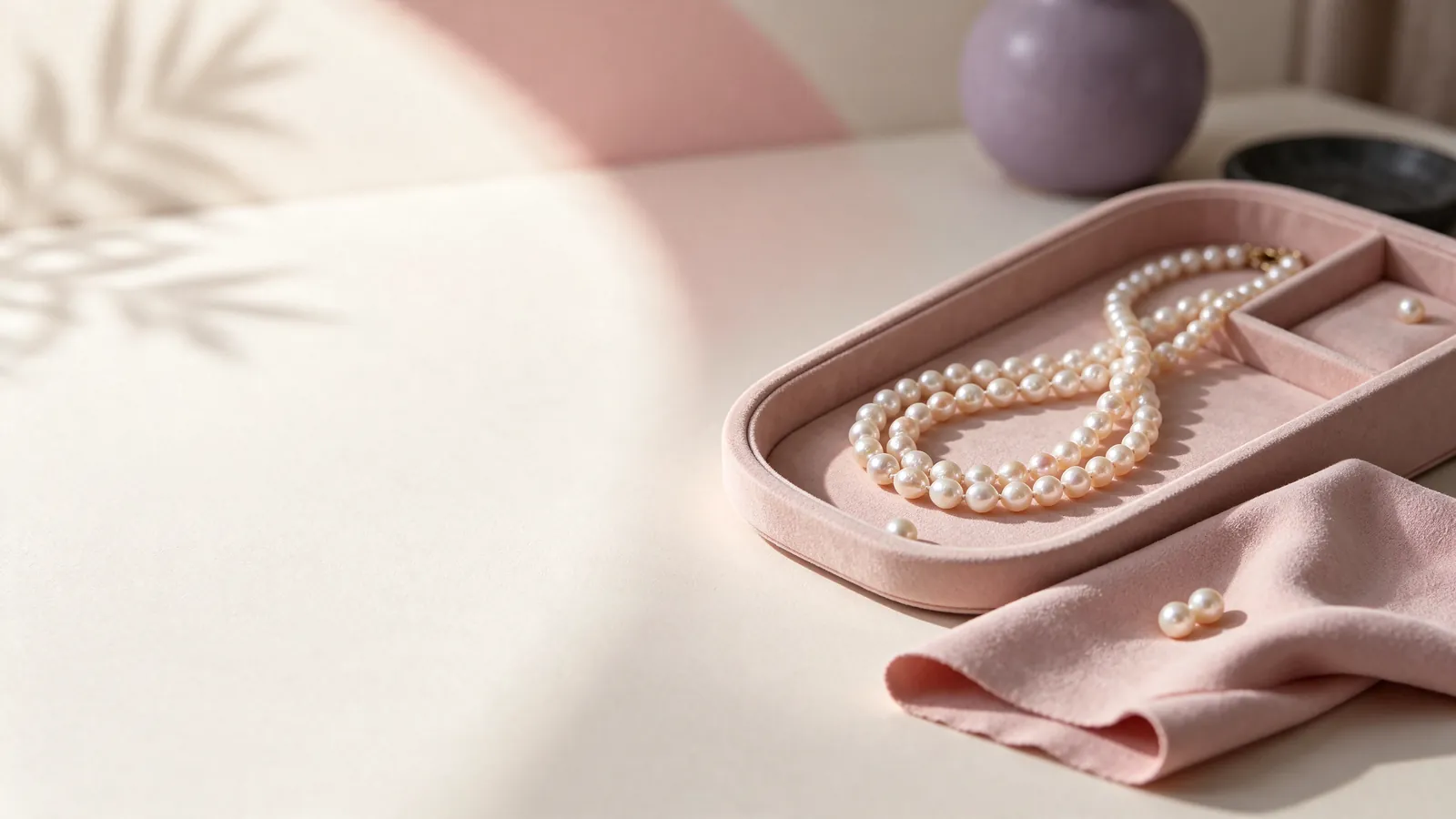
GIA rates pearl at 2.5 on the Mohs hardness scale. For wrist jewelry, that is a practical reason to consider contact with desks, sleeves and other accessories, not a formula for predicting lifespan. Think about when you would remove the bracelet, such as exercise, household cleaning or handling objects that might rub against it. The right routine matters alongside the right shade.
GIA recommends a very soft, clean cloth after wearing and avoiding acids, perfume, hair spray and excessive heat. Pearls should never go into ultrasonic or steam cleaners. If a strung bracelet is cleaned with water, allow the string to dry completely before wearing it. Keep it separate from jewelry that may scratch it, and pay attention to changes in the string or clasp instead of focusing exclusively on appearance.
Want to explore how soft green could work with your usual clothing and wrist movement? Contact Flint Jewelry on WhatsApp or call +85260106207 to discuss your preferred palette, wrist measurement and fastening needs. Bring the everyday details that matter to you, from sleeve contact to the amount of movement you find comfortable.
Finish with three observations and the written description
Before deciding, revisit the color beside your clothes, the coordination of the whole strand and the feel during natural wrist movement. Then read the material, pearl identity and treatment descriptions as written, without extending a picture into unstated characteristics. This final check lets your preference for soft green sit alongside proportion, fit and the care habits you can realistically maintain.
| Decision | Practical observation | Styling or comfort focus | Do not equate | Question to answer |
|---|---|---|---|---|
| Preferred shade | Compare soft daylight with indoor lighting | Include a regularly worn sleeve | A screen image with an exact color standard | Is the appeal the main shade or reflected color? |
| Color meaning | Observe bodycolor, overtone and orient when present | Turn the strand to see changes | Pistachio with a pearl identity | Are identity and treatment described separately? |
| Strand balance | Use GIA's seven pearl value factors | Assess shape, luster and matching together | A color label with a quality grade | Do I enjoy the visible variation? |
| Comfortable size | Measure the wrist and test ordinary gestures | Watch cuff contact and clasp position | Wrist circumference with bracelet total length | What does the stated measurement cover? |
| Care compatibility | Wipe gently and store separately | Plan around rubbing and daily activities | Mohs hardness 2.5 with a durability promise | When will I need to remove the bracelet? |
Pearl knowledge and authoritative references
GIA identifies seven pearl value factors: size, shape, color, luster, surface quality, nacre quality and matching for multi-pearl jewelry. A green color description addresses only part of that comparison.
Read the reference for this factFrequently asked questions
Is a pistachio pearl bracelet necessarily naturally green?
The name alone cannot establish how the color arose. It also does not establish pearl type, origin or natural-versus-cultured identity. Color and treatment information should be read separately rather than inferred from a green appearance.
What is the most useful outfit comparison for pale green?
Start with clothing you actually wear. Compare the full sleeve and bracelet together, then decide whether you prefer a quiet combination with ivory or a stronger contrast with darker fabric. Add other accessories gradually so you can see what changes the balance.
Should all pearls in the bracelet look exactly alike?
That depends on the effect you enjoy. A consistent shade may be easier to coordinate, while gentle variation can create a different rhythm. Look around the whole strand, not just its front, and decide whether visible differences feel intentional and pleasing to you.
Why can two bracelets with the same stated length feel different?
Construction, pearl volume and fastening layout affect wearing space and contact. Size descriptions may also refer to different measurements. Clarify the meaning of the stated length and test normal wrist movement instead of assuming the number alone settles fit.
Can I clean a green pearl bracelet with an ultrasonic cleaner?
No. GIA says pearls should never be cleaned with ultrasonic or steam cleaners. Routine care uses a very soft, clean cloth after wear. If strung pearls are cleaned with water, the string must be completely dry before the bracelet is worn again.
Updated: