
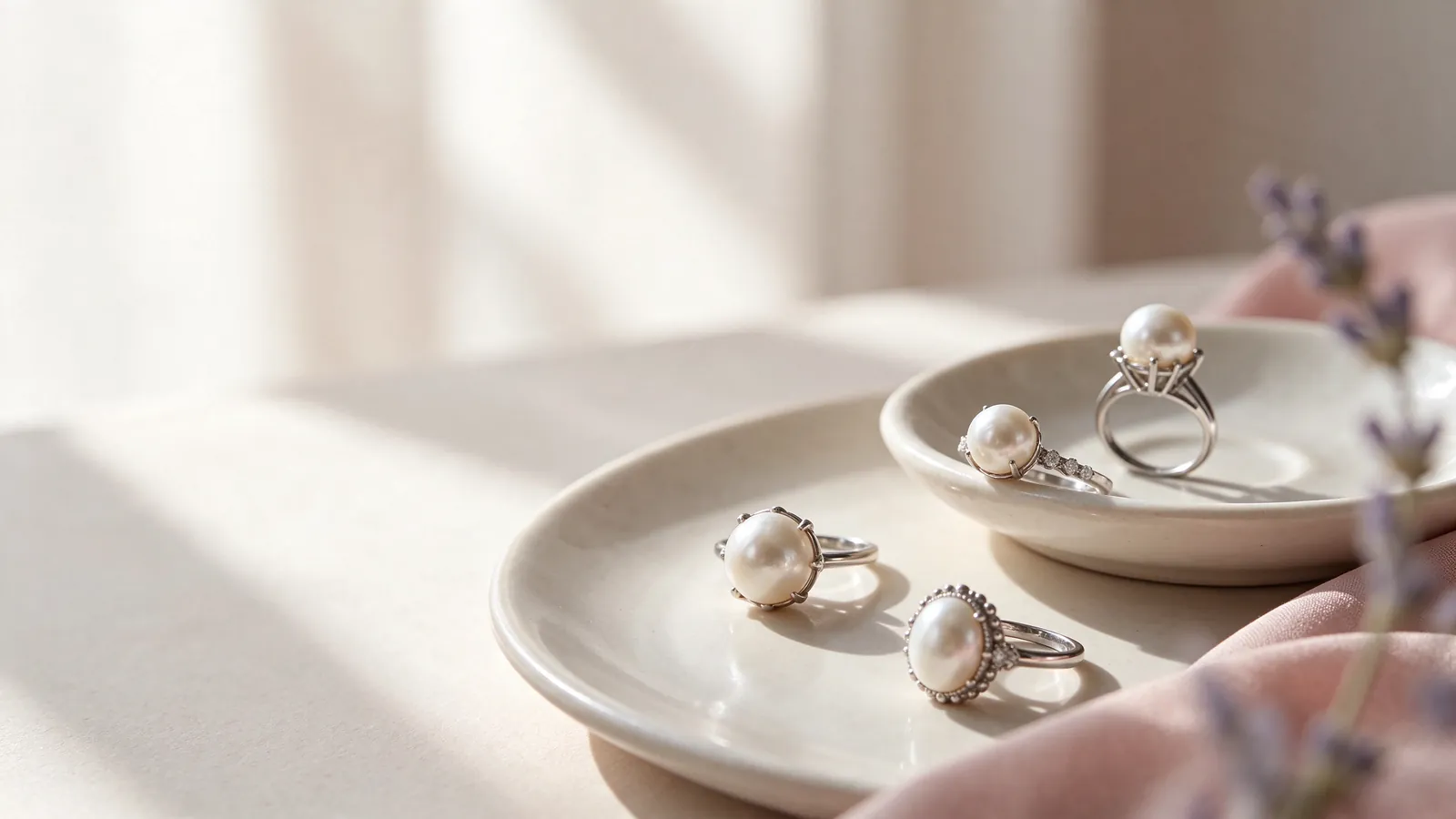
How can you distinguish metal labels from surface finishes when comparing a sterling silver pearl ring with a 925 silver pearl ring or a gold plated silver pearl ring?
Begin a comparison with the description of the ring you are actually considering, rather than assuming that similar search results mean identical specifications. A sterling silver pearl ring title names a material category, while a 925 silver pearl ring title includes a numerical label. Neither title, by itself, explains every component of the finished ring. Look for wording about the band and setting, and keep the pearl's description separate from the metal information.
A gold plated silver pearl ring adds a surface-finish description to the material wording. Its gold color may be exactly the look you want, but it should not be read as a statement that the whole ring is made in gold. For a different material direction, the 18K gold pearl ring guide helps you consider white, yellow and rose gold alongside your color preference. Keep that reading separate from silver and plated-silver labels, rather than treating similar-looking finishes as identical materials.
Which material and plating details should the seller clarify before you choose a sterling silver pearl ring or a 925 silver pearl ring or a gold plated silver pearl ring?
Ask what the metal wording covers, whether the surface has an additional treatment and what information is supplied in writing. For a plated piece, ask for the seller's description of that finish and the cleaning methods appropriate to the complete ring. If thickness or later treatment arrangements affect your choice, ask directly rather than estimating them from a photograph. A clear answer should identify the selected piece, not simply repeat that it looks gold or silver.
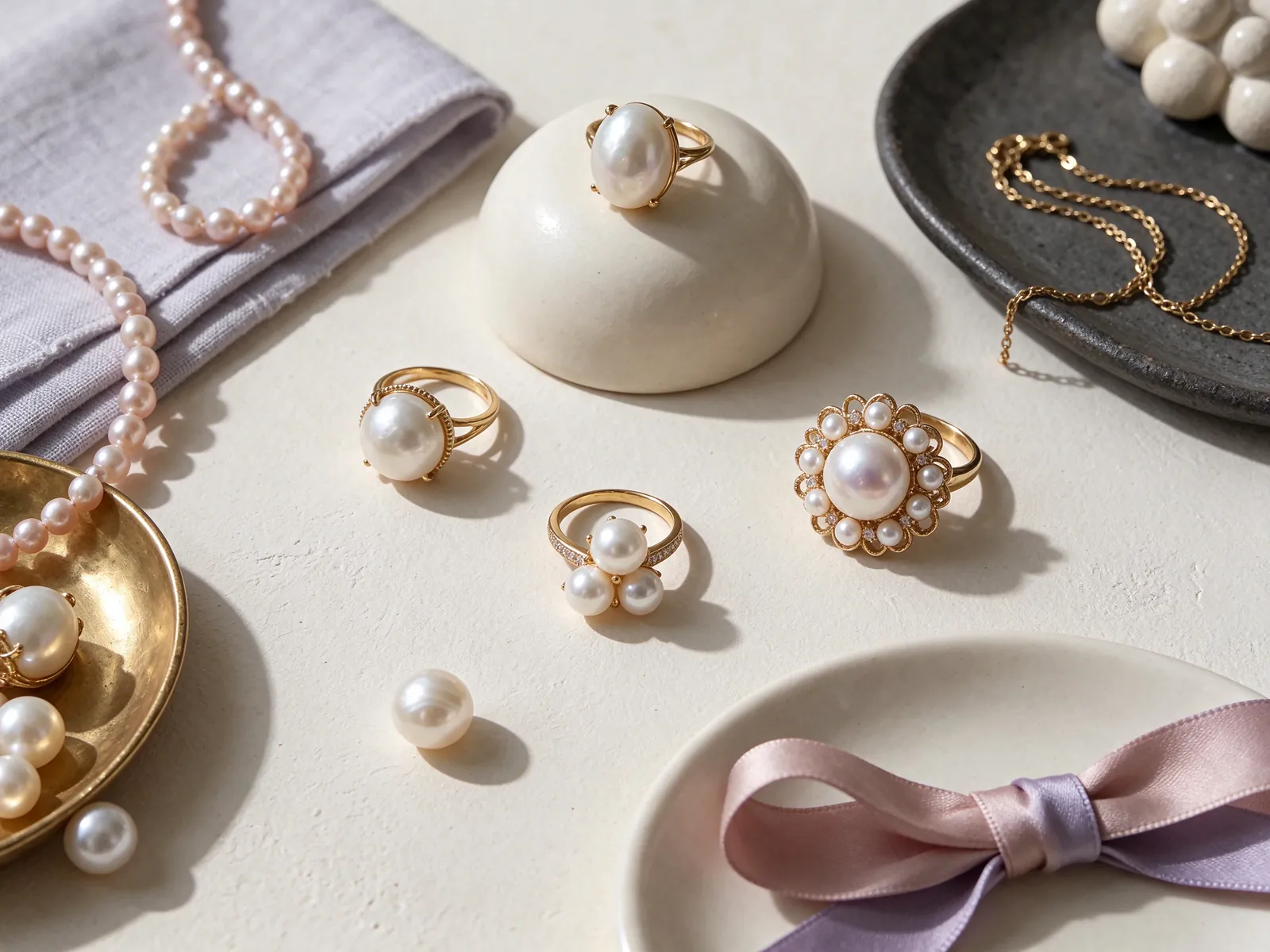
Keep shorthand labels, finish wording and pearl details in separate columns
Examples in public silver pearl ring descriptions include SV925, Silver925, SV925 GP and Silver 925 with Black Plating. These illustrate why it matters to notice wording after the metal label: a surface treatment may be stated separately. They do not establish that every ring using similar shorthand has the same construction. If the abbreviation is unclear, request an explanation tied to the exact ring option instead of borrowing a meaning from another seller's listing.
For a practical comparison, make separate notes for the band, the setting, the surface finish and the pearl. This is especially helpful when one listing provides a detailed paragraph and another provides only a short title. Missing wording should stay an unanswered question, not become an assumed specification. The same applies when reading translated pages: make sure the texts refer to the same ring, and do not interpret an omitted phrase as proof that a treatment is absent.
Resolve a color mismatch without using the image as a metal test
Point the seller to the image and option that prompted your question. Backgrounds, lighting and screen settings can make a pale metal appear warmer or cooler, so visual differences do not identify the metal. If matching existing jewelry matters, ask how that option's color and finish are described. Use the photograph to assess the silhouette and overall style, while using the seller's written information to understand the material and any surface treatment.
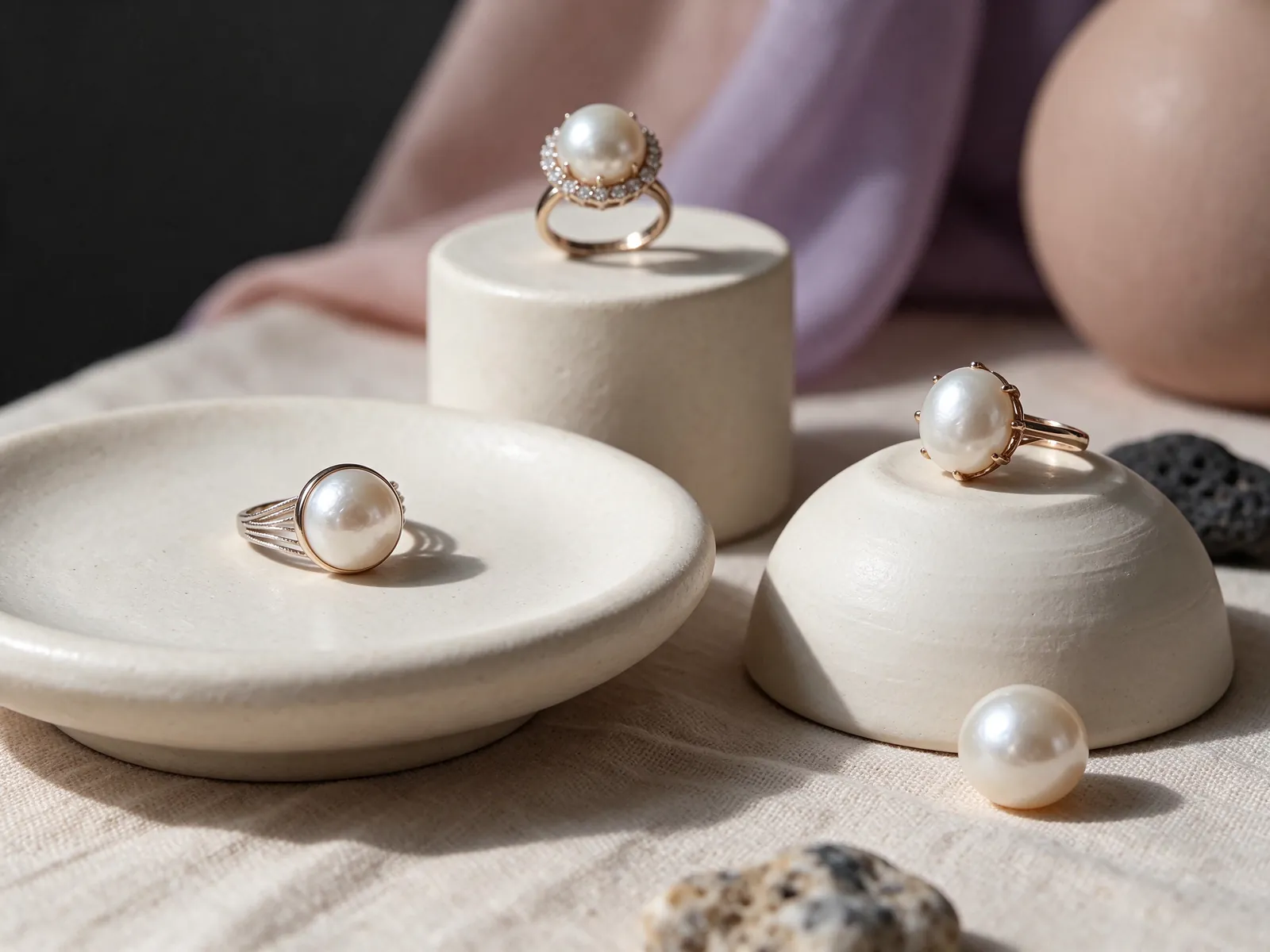
Evaluate fit through normal movement, not just a front-view photograph
A material name does not predict whether a ring will feel comfortable. Check how it passes the knuckle, rests at the finger base and behaves when you bend your hand. Notice if the pearl rotates toward the palm or the setting crowds the next finger. For everyday pearl rings, your actual activities matter: typing, handling a bag and putting on sleeves reveal practical demands that are easy to miss in a still image.
Consider band width separately from the metal label. The subject of wide band pearl ring sizing is about contact with the finger and movement, not simply copying the size of a narrower ring you own. Also ask which sizing notation the seller uses. If a band has an opening, the question are open pearl rings adjustable still requires a design-specific answer; an open shape does not give permission to bend it yourself or put force near the pearl setting.
Check the side profile with clothing you already wear
Look at the ring from the side and gently pass your hand through a familiar cuff. Observe whether the pearl catches the fabric or the ring leans as you move. Avoid impact tests or twisting the pearl to judge security. If your routine includes exercise, lifting or household work, plan when the ring will be removed. Comfort comes from choosing a workable profile and routine, not expecting a single ring to suit every task.
Choose a visual role for the ring before building a stack
Think about whether the pearl should be the main accent or one part of a larger jewelry arrangement. A pearl solitaire ring is a useful starting point for a clean look because it encourages attention to the space around the pearl. Try imagining the ring with a work shirt, weekend sweater or occasion outfit. A silver-colored or gold-colored finish can guide coordination, but the styling decision remains separate from what the band is stated to be made from.
You can connect mixed metal colors through earrings, a watch or another accessory rather than requiring every piece to match exactly. When choosing stackable pearl rings, inspect the physical relationship as carefully as the color combination. A neighboring band's edge should not be allowed to rub the pearl, and the rings should not crowd each other as your fingers move. If spacing is awkward, spread the pieces across different fingers or let the pearl ring stand alone.
For an occasion outfit, include the sleeves and other jewelry
When choosing a ring for a celebration or formal event, consider the entire outfit rather than a close-up hand photograph. Sleeves, bracelets and the placement of other rings affect both appearance and movement. A prominent setting may be an intentional occasion choice without being your everyday option. Compare it with the clothes and accessories you intend to use, and leave enough visual space for the pearl instead of making every item compete for attention.
Compare the pearl itself without letting the finish suggest a grade
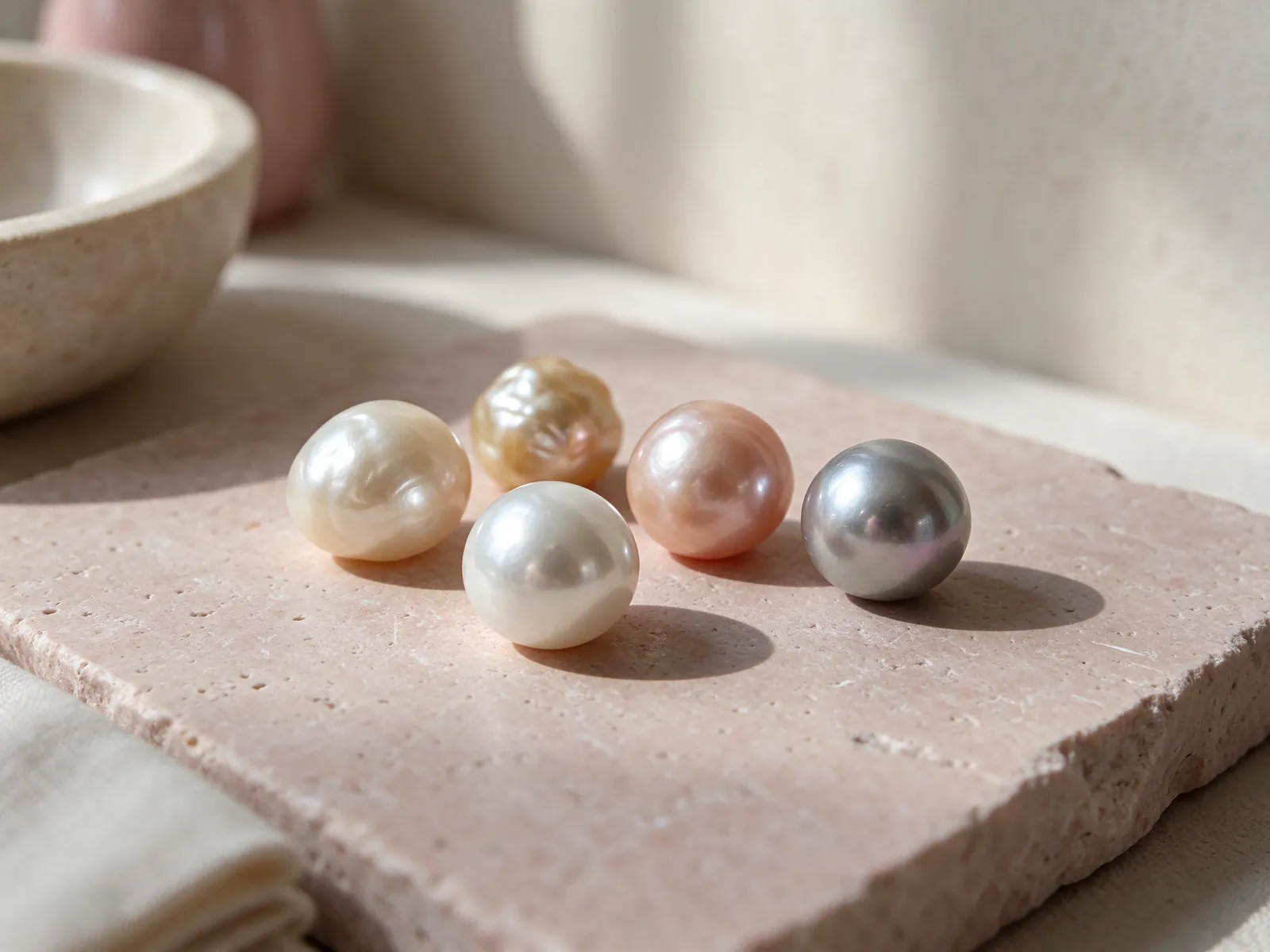
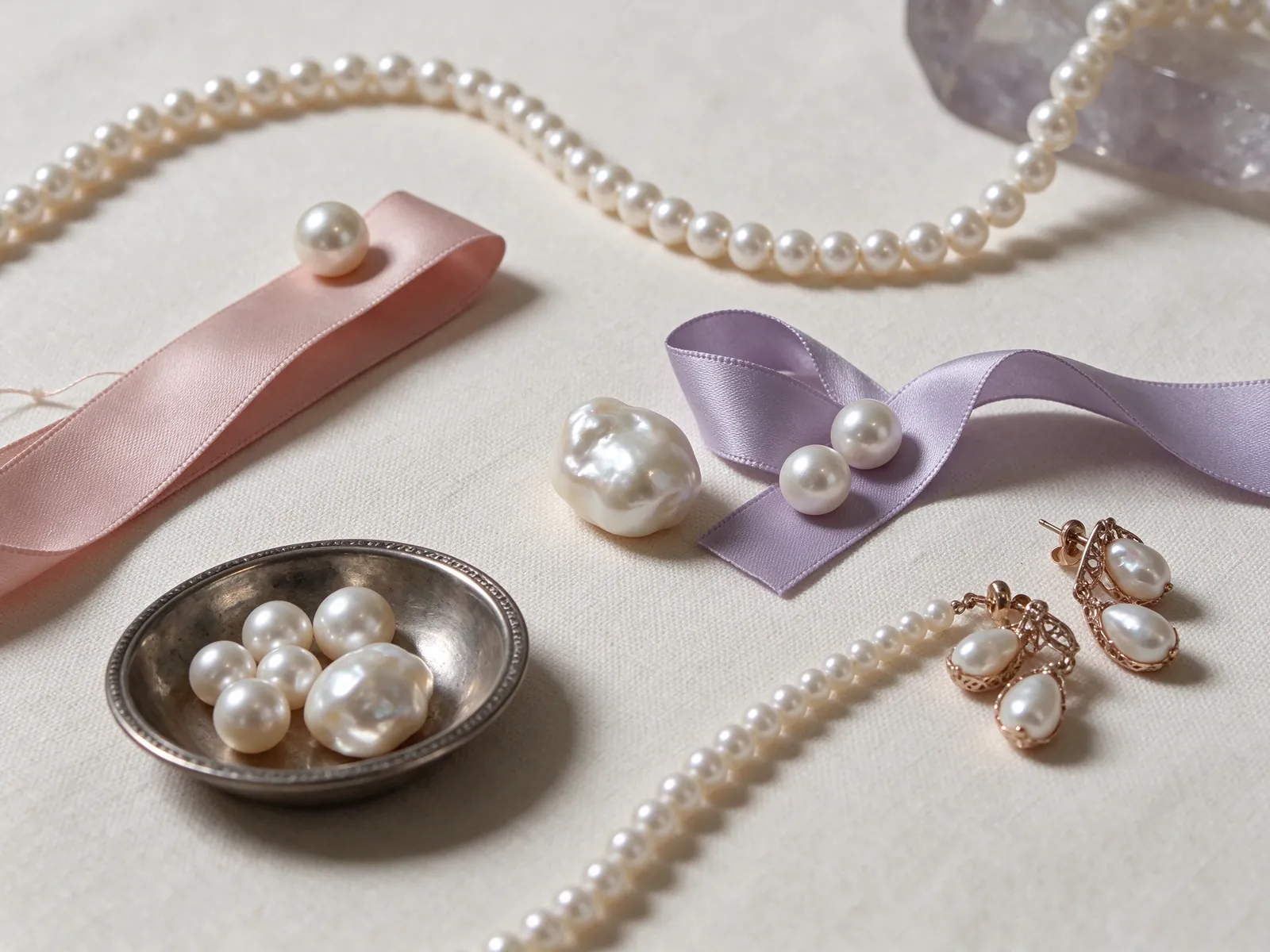
GIA identifies seven pearl value factors: size, shape, color, luster, surface quality, nacre quality and matching for jewelry with more than one pearl. These give you a broader framework than metal color alone. Consider the reflections, visible surface features and shape that suit your preferences, but recognize the limits of photographs. A bright gold-colored band does not establish a higher pearl grade, and a silver-colored band does not answer questions about nacre quality or the pearl's identity.
Compare images with similar lighting and viewing angles where possible. A strong light reflection can change your impression, so it is not a reliable basis for ranking two pearls on its own. Pearl color may include bodycolor, overtone and orient; not every pearl has all three components. The surrounding finish can affect the visual impression without proving species, origin or natural-versus-cultured identity. If identity or treatment status is a requirement, ask for information addressing that requirement directly.
In a group of pearls, examine the intended relationship
With a multi pearl ring, look at the arrangement as well as individual pearls. Do you prefer a consistent group or a composition that deliberately varies shapes and colors? Check spacing and whether the outer pearls interfere with neighboring fingers, then note whether the setting hides surfaces you want to see. Matching is relevant to understanding how pearls work together; it is not a certification conclusion that can be drawn from an attractive image.
A silver cleaning method must also suit the pearl and finish
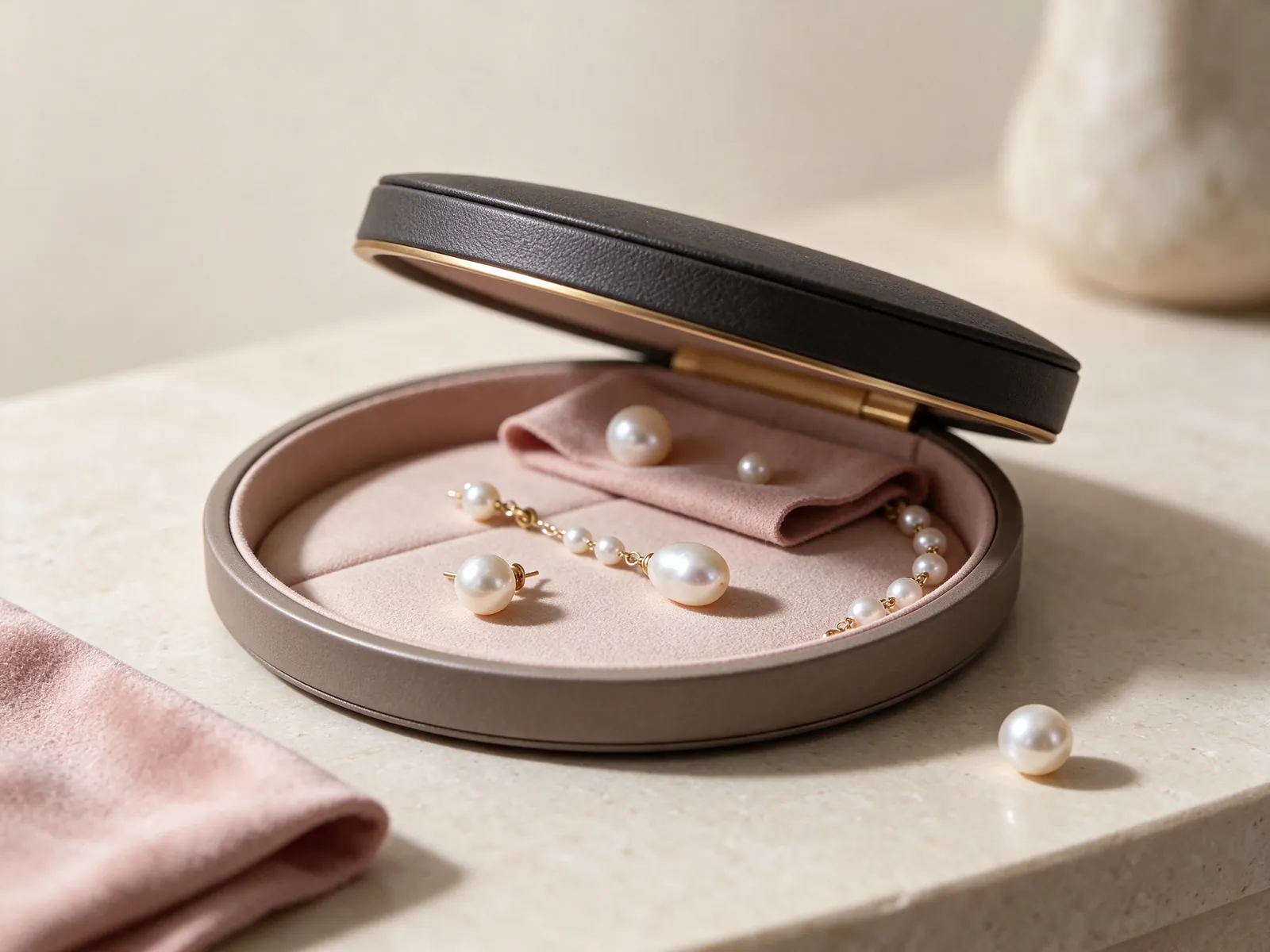
GIA lists pearl at 2.5 on the Mohs hardness scale and says never to use ultrasonic or steam cleaners for pearls. This makes whole-ring care an important buying question. A cleaner marketed for silver objects is not automatically appropriate for jewelry that includes a pearl, and a plated finish may need its own instructions. Before using a polishing product or soaking the ring, ask the seller what methods are suitable for that assembled piece.
GIA's routine care guidance includes wiping pearls with a very soft, clean cloth after wearing and avoiding acids, perfume, hair spray and excessive heat. Finish your grooming routine before putting on the ring to reduce direct exposure to those products. Store the ring away from hard objects that could rub the pearl. These are sensible precautions rather than promises of permanent color, a guaranteed plating lifetime or immunity from damage during everyday use.
Describe a change before trying to remove it
If the ring's appearance changes, identify whether the issue is on the pearl, the band or a treated surface and ask the seller about an appropriate next step. Do not scrape, aggressively polish or twist parts to diagnose it. Asking about care and later treatment arrangements before purchase can make this conversation clearer. Whether any intervention is suitable, and what result might be possible, must depend on the individual ring rather than an assumed repair guarantee.
Make a decision checklist that separates appearance from material requirements
Write down your preferred color, comfortable setting profile, intended occasions and unresolved material questions. If you mainly want a warm-colored accessory, that is a styling preference; if a particular material description matters, state it as a separate requirement. Do not turn omitted details into presumed benefits or interpret a price difference as proof of a specific quality difference. A clear checklist helps you decide which answers matter, instead of collecting labels without a practical purpose.
A comparison involving a 10K gold pearl ring can help explain why a metal name and a gold-colored finish are different reading topics, not interchangeable product descriptions. For a Flint Jewelry customization conversation, ask about 18K 750 white gold, 18K 750 yellow gold, 18K 750 rose gold, PT950 platinum and PT900 platinum. Bring your preferred silhouette and wearing habits into that conversation as well, so the discussion goes beyond the appearance of a silver-colored photograph.
For a gift, do not let a familiar color stand in for fit
Ask which finger the recipient likes to use, whether they prefer a raised pearl and whether they usually stack jewelry. These practical preferences can matter more than a favorite metal color. If the size is unknown, do not rely on an open band as a guaranteed solution. Learn the seller's sizing arrangements before buying and keep style choices separate from fit questions, so a thoughtful gift is not based on an assumption about adjustability. To discuss these customization preferences, contact Flint Jewelry on WhatsApp at +85260106207 with your preferred silhouette and wearing needs.
| Wording | Information to separate | Useful seller question | Unsupported conclusion to avoid |
|---|---|---|---|
| Sterling silver | Title versus complete metal description | Does this cover both the band and setting? | A full specification of every component |
| 925 silver / SV925 / Silver925 | Numerical label versus pearl description | Which selected option carries this description? | Pearl origin, identity or certification |
| Gold plated silver / SV925 GP | Stated metal versus surface finish | How is the finish described and what care suits it? | Solid-gold construction or a fixed finish lifetime |
| Silver 925 with Black Plating | Metal wording versus dark surface treatment | Where is the treatment applied? | All dark rings have the same construction |
| Gold- or silver-colored photograph only | Visual impression versus material information | What metal and finish are stated for this ring? | Material identification or guaranteed durability |
Pearl knowledge and authoritative references
GIA places pearl at 2.5 on the Mohs hardness scale and says pearls should never be cleaned with ultrasonic or steam cleaners. Care for a silver pearl ring therefore cannot be chosen for its band alone.
Read the reference for this factFrequently asked questions
Does a silver-colored pearl ring photograph prove it is sterling silver?
No. Color is useful for styling but does not identify the metal. Read the selected ring's material and finish descriptions and ask the seller to clarify which components those descriptions cover.
What should I ask if a listing only says SV925 GP?
Ask for the abbreviation to be explained for that exact ring, including the stated metal, the surface treatment and appropriate care. Do not use another listing to fill in missing details or estimate plating thickness from a picture.
Can I wear a plated pearl ring beside another ring for a formal event?
Check spacing and movement as well as visual coordination. If the neighboring ring's edge touches the pearl or pushes its setting, use a different finger or wear the pearl ring alone. A still photograph cannot settle that practical question.
Do the seven GIA factors certify the pearl in a ring I am viewing?
No. The seven factors are a framework for understanding pearl value, not a certificate for an individual piece. Photographs and metal color do not establish pearl identity, nacre quality or certification.
Can I request a 925 silver version from Flint Jewelry through this page?
This is a material-description comparison, not an offer of Flint silver rings. The customization material directions to discuss with Flint Jewelry are 18K 750 white, yellow and rose gold, and PT950 or PT900 platinum.
Updated: