
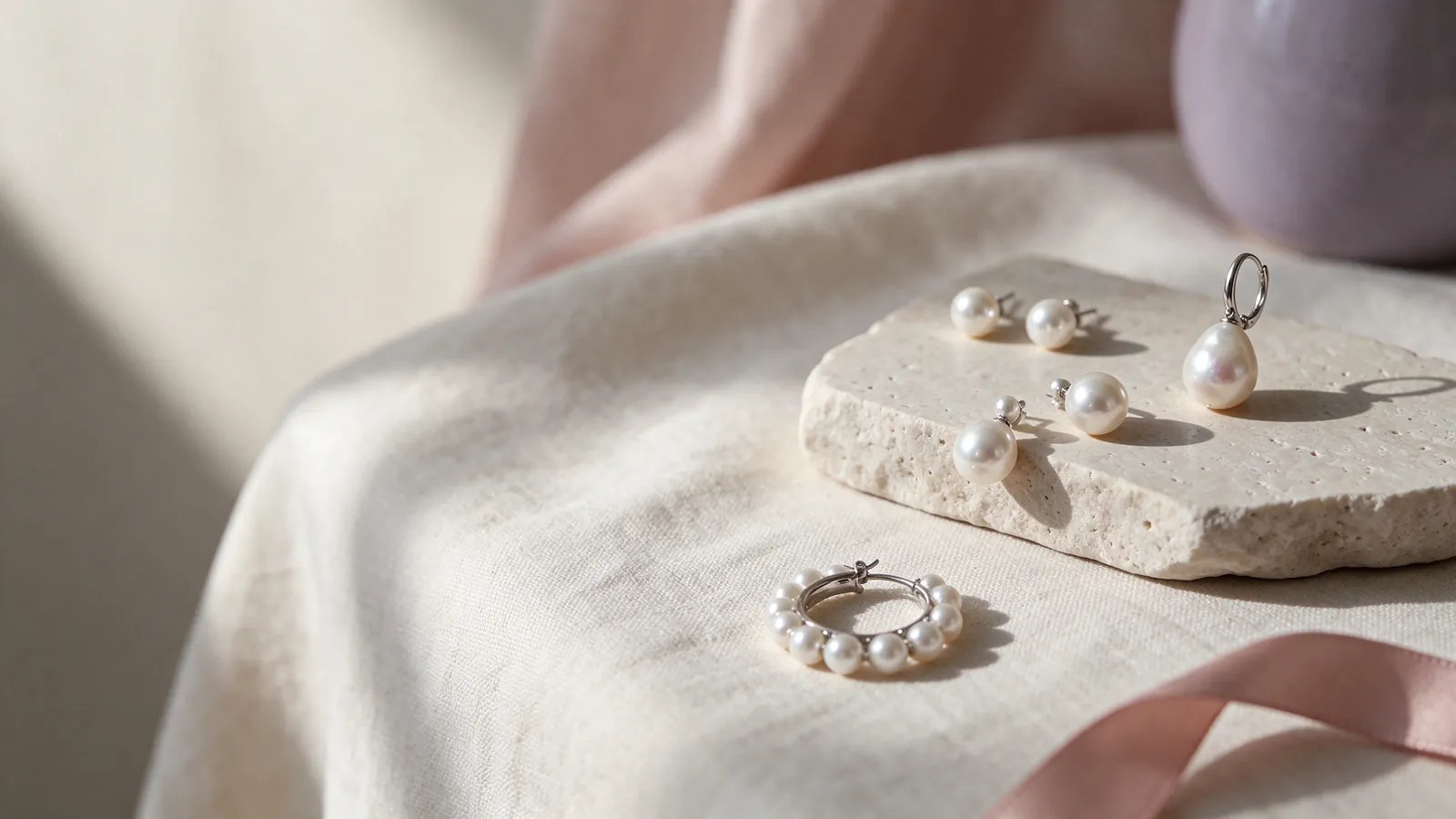
How do drop length and layered strands affect the proportions of pearl fringe earrings, pearl tassel earrings and fringe pearl drop earrings?
The outline of pearl fringe earrings comes from several descending lines acting together. Start with the whole shape: does it stay narrow, spread toward the bottom or taper to a smaller point? Then consider where that shape sits beside your face and clothing. When comparing pearl earrings, distinguish a compact stud, a single drop and a fringe before deciding on details. This keeps the decision focused on the silhouette you actually want rather than on an isolated pearl size.
Pearl tassel earrings with similar overall lengths can create different impressions because strand width and spacing change the visual weight. Fringe pearl drop earrings also need room beside a collar or shoulder line. Look at the relationship between the widest section and your jaw, rather than assuming that every long design creates the same effect. A clear boundary between earrings and clothing can matter more than reaching a particular point on the neck.
When trying on pearl fringe earrings, how can you assess neckline clearance and movement in pearl tassel earrings and fringe pearl drop earrings?
Face forward, turn slowly in each direction and then sit in a relaxed position. Watch where the fringe travels and whether the ends settle freely afterward. A collar can move closer when you lean down. If the same strands repeatedly rest on fabric or need untangling, compare a different width, length or attachment layout. The useful test is your own clothing and motion, not a universal clearance measurement.
Understand what creates the fringe effect
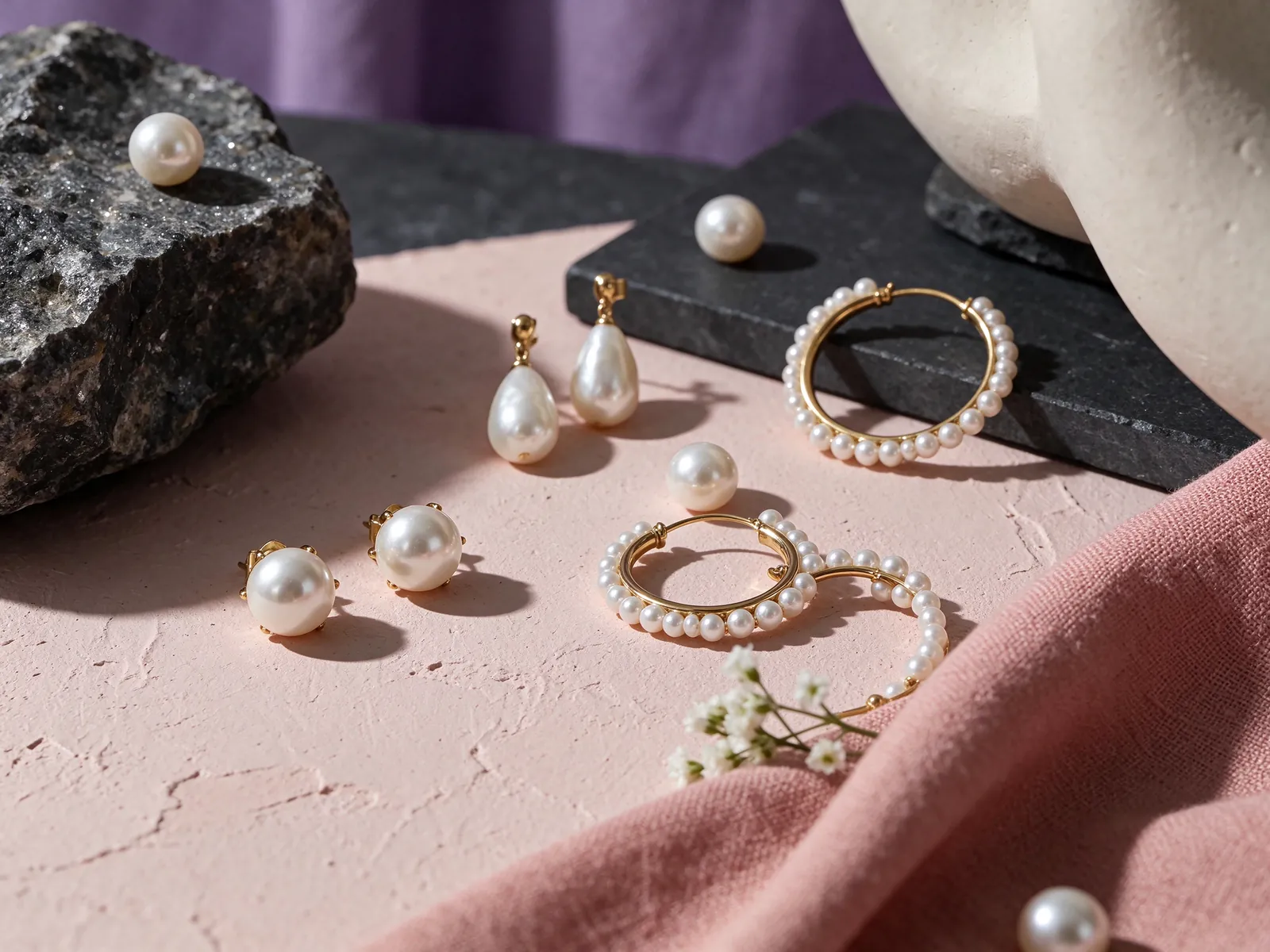
In a multi-strand pearl arrangement, repeated pearls carry the pattern down the earring. With pearl-and-chain accents, the pearl may be a concentrated focal point while finer lines form the fringe below. Identify the attachment area and follow each line to its end. Comparing multi-pearl earrings helps separate several pearls arranged along one path from a fringe with branching or layered strands. A high pearl count alone does not define the construction.
An even lower edge makes the outline more structured, while staggered strands create several stopping points for the eye. Choose the rhythm that fits your outfit rather than treating one as the standard. Examine a side view too: a frontal photograph may compress the spaces between strands and make the fringe seem fuller than it looks from another angle.
Keep pearl size, shape and identity separate
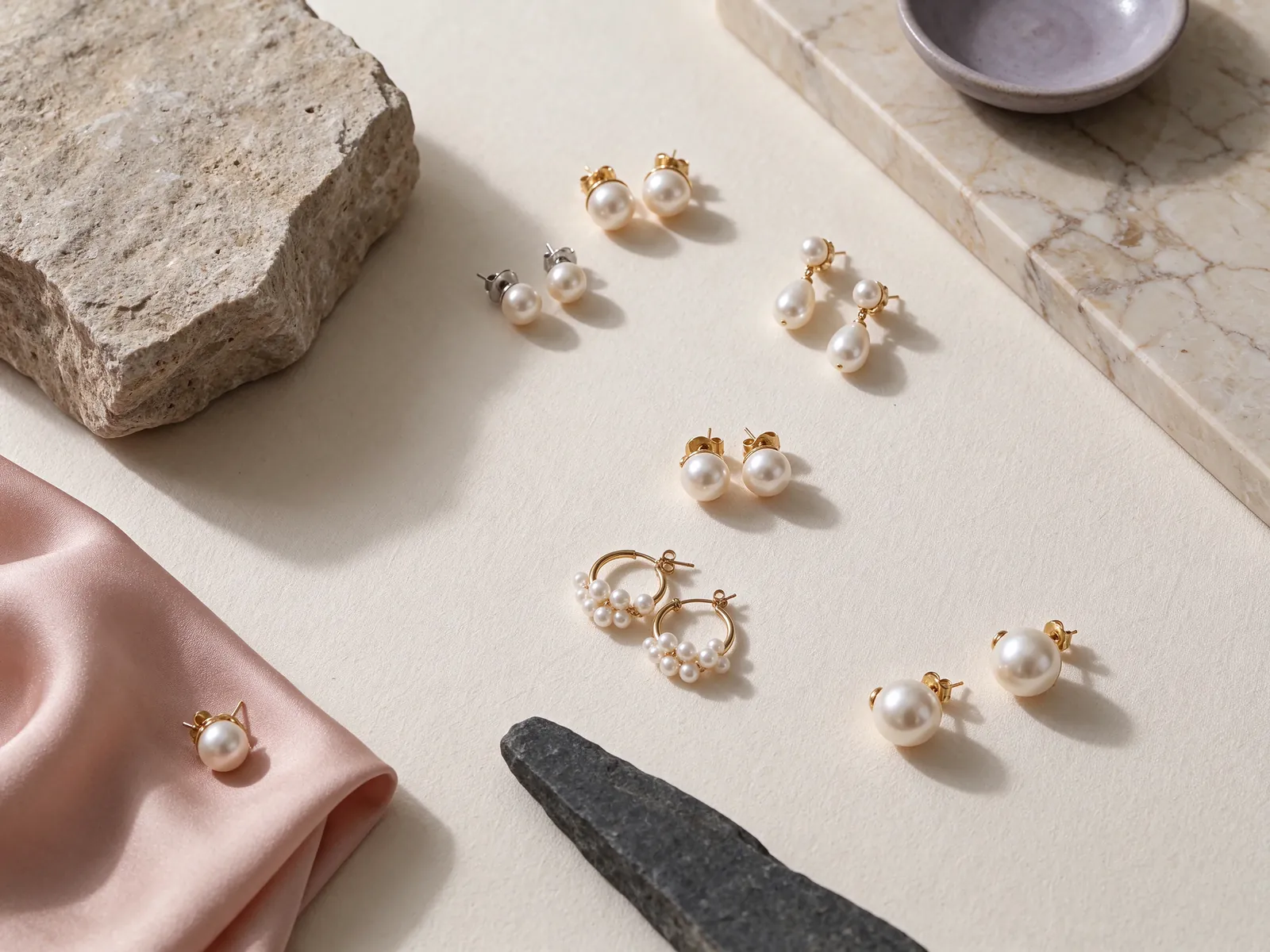
A small pearl is not automatically a particular pearl type. Rice-shaped and baroque refer to aspects of shape, and Keshi is not a general label for everything small or irregular. These names should not be substituted for each other. The appearance of narrow strands cannot establish natural-versus-cultured identity; read pearl information separately from the words used to describe the earring's silhouette.
Frame the earrings with your real hairstyle and wardrobe
An updo exposes the upper attachment and the separation between strands. Loose hair may conceal those details and leave only the tips visible. Try both if you wear both, but give priority to your usual hairstyle. If hair repeatedly wraps around the fringe, compare a simpler connection or a more contained group of strands. Lengthening the earring is not necessarily the answer to a tangled or partly hidden outline.
Open shoulders leave an uncluttered area for the drop, while a high neckline brings fabric closer to its path. A rounded collar and a V-neck also create different surrounding lines. Avoid rigid rules linking each neckline to one length. Instead, check whether the fringe remains distinct. If your top already has ruffles, beading or detailed embroidery, a less spread-out fringe may make both the garment and earrings easier to see.
Make front and profile photos useful rather than posed
Wear a familiar top and photograph the earrings in similar light from the front and side. Keep your head at its normal angle instead of lifting your chin to create extra space. Check whether one side disappears into your hair and whether the lower edge overlaps your collar. Adjust hair first, then compare a narrower silhouette if the area still looks crowded.
Decide which detail should lead the outfit
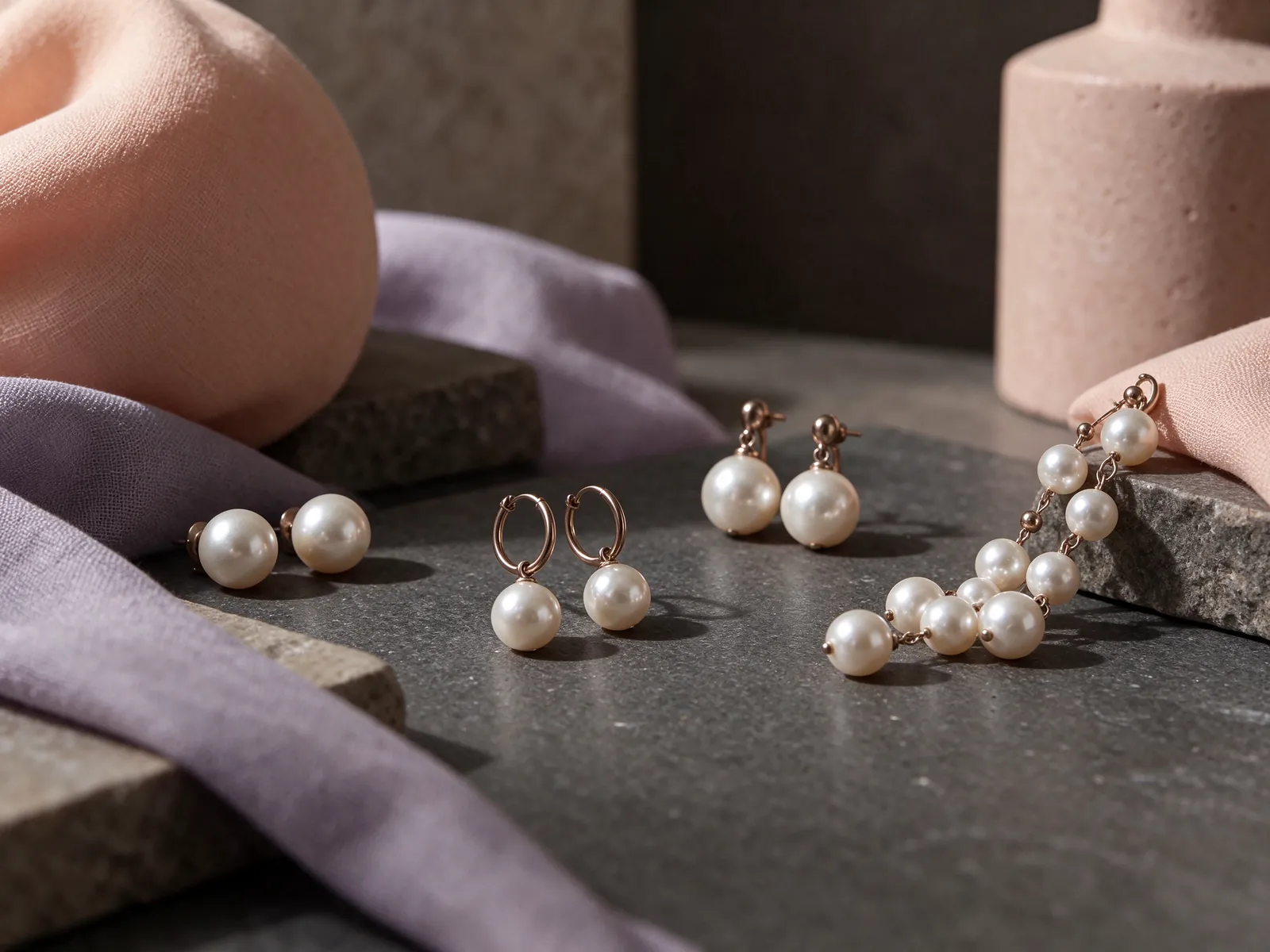
Everyday jewelry needs to work with daily movements, including answering a phone, using headphones and removing a jacket. Evening styling may give the earrings more space to become the main accent. If you are deciding between sparkle concentrated near the ear and a moving drop, compare pearl and diamond earrings with fringe silhouettes. The comparison is about where attention lands, not a claim that more elaborate decoration is always more formal.
For a wedding look, consider the veil, hairpiece and dress neckline together. Fringe alongside lace can concentrate detail in a small area; a simpler neckline may give the strands a clearer outline. If you prefer an accent centered closer to the ear, floral pearl earrings offer a useful contrast in proportion. Choose the focal point of the complete outfit rather than treating a long drop as a requirement for bridal dressing.
Compare necklace combinations in stages
Look at the earrings alone before adding a necklace. If both pieces end in the same visual area, try reducing the necklace's detail or the width of the fringe. A coordinated look can come from compatible lines and spacing rather than identical pearl shapes. Keep both pieces only if you can still see what each contributes to the outfit.
Check the fit while moving, not only in the mirror
A long earring is not automatically heavy, and a fine-looking fringe is not automatically comfortable. Check whether the earrings tilt forward and whether the backs remain seated as intended. Walk, sit and turn normally, noticing any pulling or repeated clothing contact. If the fit feels uncomfortable, take the earrings off and reconsider the arrangement instead of accepting ongoing strain as the price of a dramatic silhouette.
Fringe may be attached to the main body or incorporated through a separate component, depending on the individual design. Do not infer a removable feature from a photo. Reading about detachable pearl earring charms can clarify how charms interact with posts, backs or main settings, but it does not make every fringe detachable. Ask how the intended assembly works and how the earring is worn if a removable component is taken off.
Use recurring contact to guide the next comparison
When a strand catches, stop and support the earring before gently releasing the fabric or hair. Notice whether the problem begins at the top attachment, within the fringe or at its ends. That detail points to a more useful alternative than simply changing the overall length. Remove earrings before pulling a high-neck garment over your head rather than trying to free the strands afterward.
Look at pearl matching within a layered design
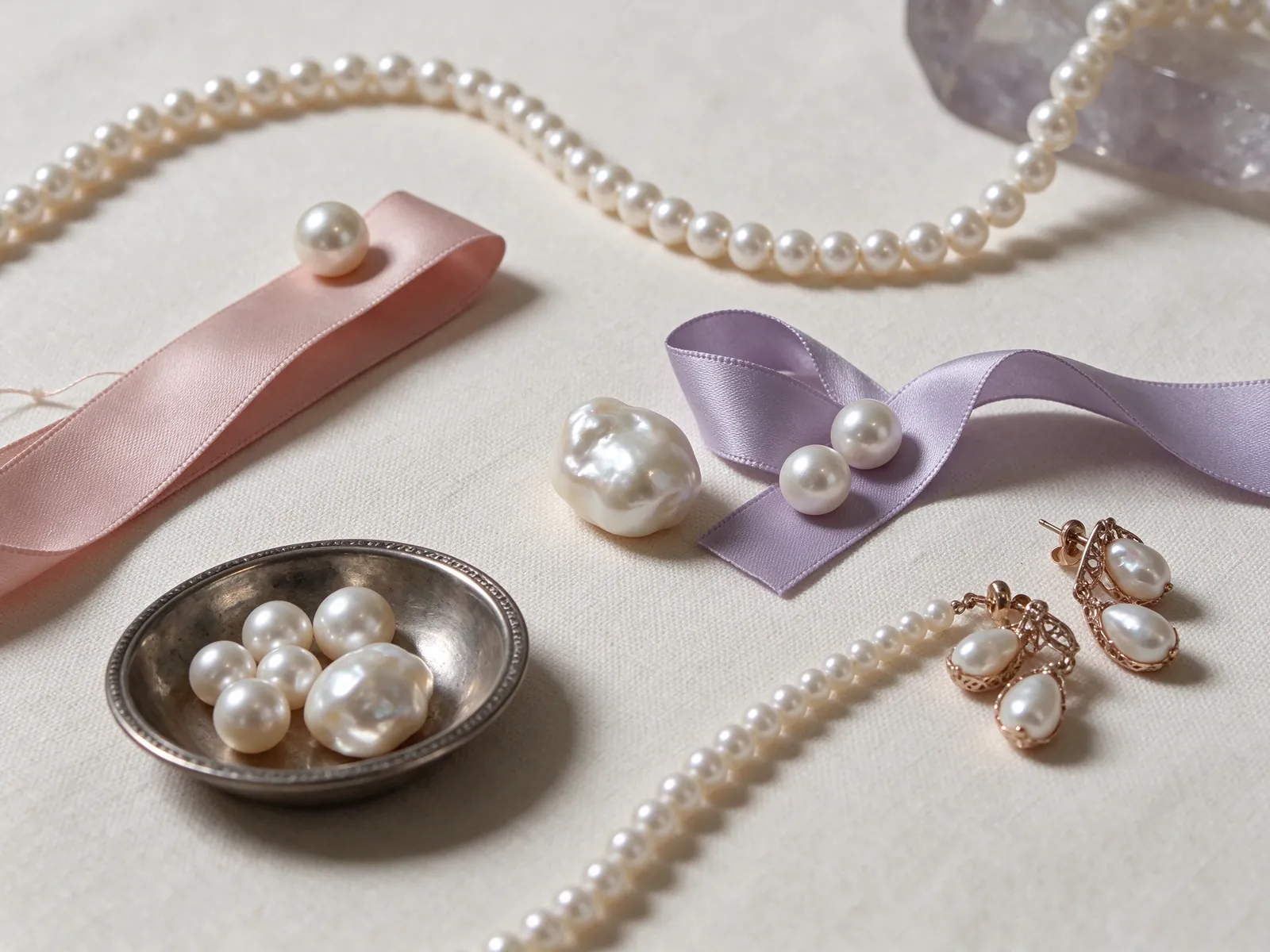
Several pearls should be considered both individually and as an arrangement. Color, luster and spacing shape the continuity of the strands and the relationship between the two earrings. A design can intentionally mix shapes without losing coherence. Instead of demanding identical pearls in every position, examine whether the variations form a readable pattern and whether the two sides relate to one another.
GIA identifies seven pearl value factors: size, shape, color, luster, surface quality, nacre quality and matching. Matching is a helpful lens for multi-strand fringe, but it is only part of an assessment. Start with the pearls nearest the face, then follow the arrangement toward the ends. Neither color nor shape alone establishes origin, natural-versus-cultured identity or certification, so keep visual observations separate from those conclusions.
Separate pearl luster from other bright details
Compare candidates under similar light with similar backgrounds. Examine reflections on the pearls rather than treating highlights from chain accents as pearl luster. Dramatic spotlights and soft lighting produce different photographic impressions. A clear view of the pearl surfaces and attachments is more useful for understanding construction than an image that hides them; bring specific questions about unclear details to the try-on.
Plan gentle care and untangled storage
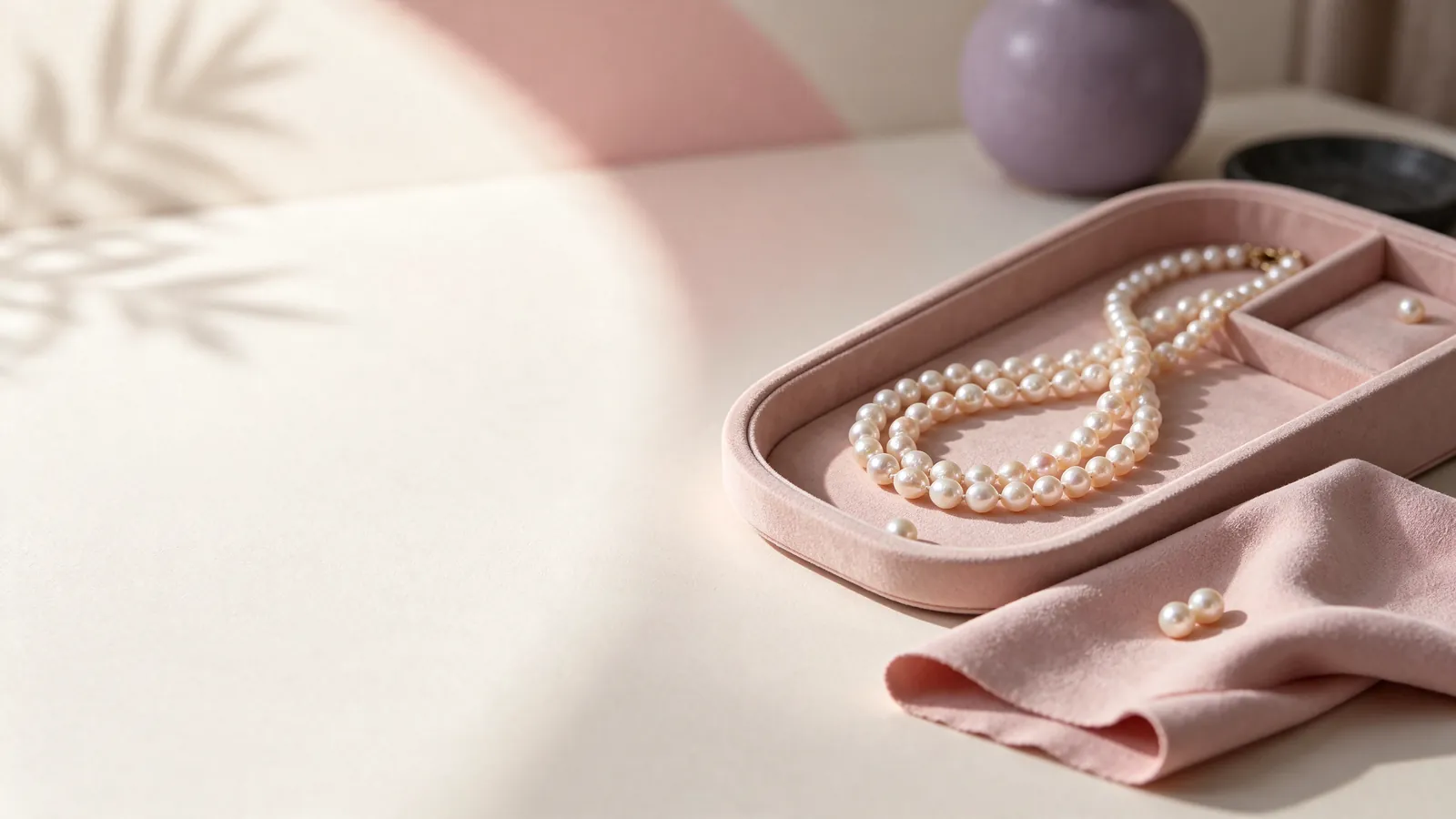
Fringe has several lines that can cross in storage. Let each earring lie naturally rather than bunching the strands together, and keep the pair separated from other jewelry that could catch them. Wipe pearls with a very soft, clean cloth after wearing. GIA advises that pearls should never go into ultrasonic or steam cleaners, even when the same earring includes metal details.
Put on the earrings after applying perfume and hair products, keeping these substances away from the pearls. If strung pearls are cleaned with water, allow the string to dry completely before wearing. Save a photograph of a successful outfit to guide future choices. If your preferred look places a drop on only one side, single pearl earring styling provides another way to consider visual balance without adding a second competing fringe.
To discuss fringe proportions with Flint Jewelry, contact us on WhatsApp or call +85260106207. Tell us about your usual hairstyle, neckline and the comfort or movement details you want to consider.
Review the condition before the next wear
Before putting the earrings away, inspect crossed strands, visible changes at connections and the fit of the backs. A loose pearl, worn string or damaged fastening is a reason to pause wearing and seek appropriate professional assessment. Avoid forcing a connection back into shape or trying cleaning chemicals around pearls. Keeping the fringe organized makes changes easier to recognize when you next take it out.
| Comparison | Starting observation | Wardrobe setting | Practical test | Decision cue |
|---|---|---|---|---|
| Drop outline | Full shape from ear to strand ends | Open shoulders or a raised collar | Turn and sit normally | Ends settle freely or stay on fabric |
| Strand width | Contained lines or a spreading edge | Your usual loose or tied-back hair | Restore the everyday hairstyle | The outline stays visible or disappears |
| Lower edge | Even lengths or staggered layers | Minimal or highly detailed clothing | Check front and side photos | A structured boundary or several focal points |
| Connection | Main body and any separate component | An intended change of arrangement | Follow the design's wearing instructions | Explicit removable function or no such feature |
| Matching | Color, luster and spacing | Multiple pearl-bearing strands | View both earrings in comparable light | A coherent pattern across the pair |
Pearl knowledge and authoritative references
GIA lists seven pearl value factors: size, shape, color, luster, surface quality, nacre quality and matching. For pearl fringe, matching can be considered alongside the spacing and pattern of the strands.
Read the reference for this factFrequently asked questions
Does a longer drop always look more dramatic?
Not always. Width, the number of visible lines and the shape of the lower edge also affect the impression. A contained long fringe can look less prominent than a wider layered outline. Compare the complete shape beside your clothing rather than deciding from length alone.
How can I tell whether a fringe will work with headphones?
During a try-on, check the headphones you actually use and the movement involved in putting them on. Notice contact at the upper attachment as well as the strands below. If the earrings interfere or pull, remove them and compare a different silhouette rather than relying on their delicate appearance.
Should I skip a necklace when wearing pearl fringe?
That is an option, not a rule. Start with the earrings alone, then add the necklace. If both pieces occupy the same visual space, a simpler necklace or narrower fringe may create a clearer pairing. Keep the combination when each piece still has a recognizable role.
Do tiny pearls in a fringe prove that they are Keshi?
No. Small size and irregular appearance do not establish that identity. Size, shape and pearl identity are different kinds of information, and Keshi should not be used as a general label for small pearls. Read the individual pearl description instead of drawing that conclusion from a photograph.
What should I do if the strands look tangled before wearing?
Lay the earring down and gently separate the strands without pulling on the pearls or forcing connections. If you see damage, a loose pearl or a worn string, pause wearing and seek an appropriate professional assessment. Store the pair separately with the fringe relaxed to reduce repeated tangling.
Updated: