Understanding material details in pearl earrings for sensitive ears: pearl earring metal allergies and the limits of “hypoallergenic pearl earrings”
Shopping for pearl earrings for sensitive ears is more useful when you start with your own wearing history instead of a marketing label. Describe where discomfort occurred: around the post, behind the lobe or when the front of the earring pulled downward. That description helps frame a component or fit question, but it is not a diagnosis. If a healthcare professional has established a contact allergy, bring that information to the conversation. When comparing pearl stud earrings, ask about the post, back and front setting separately.
The metal options for design discussions with Flint Jewelry are 18K 750 white gold, 18K 750 yellow gold, 18K 750 rose gold, PT950 platinum, and PT900 platinum. When considering 18K gold pearl earrings alongside platinum pearl earrings, compare the look you prefer and the proposed construction. Do not rank them as universal allergy solutions. Pearl earring metal allergies cannot be resolved by appearance alone, and the phrase hypoallergenic pearl earrings does not guarantee a reaction-free experience for every wearer.
What should you ask about posts and backs when pearl earring metal allergies shape your search for pearl earrings for sensitive ears or hypoallergenic pearl earrings?
Break the question into the post, the back and the front setting wherever it may touch the ear. Mention any back you plan to reuse, since a replacement creates a different contact combination. Color does not prove nickel content, and a photograph cannot establish personal compatibility. Asking what each component is made of is more specific than asking whether the entire pair is low-allergy.
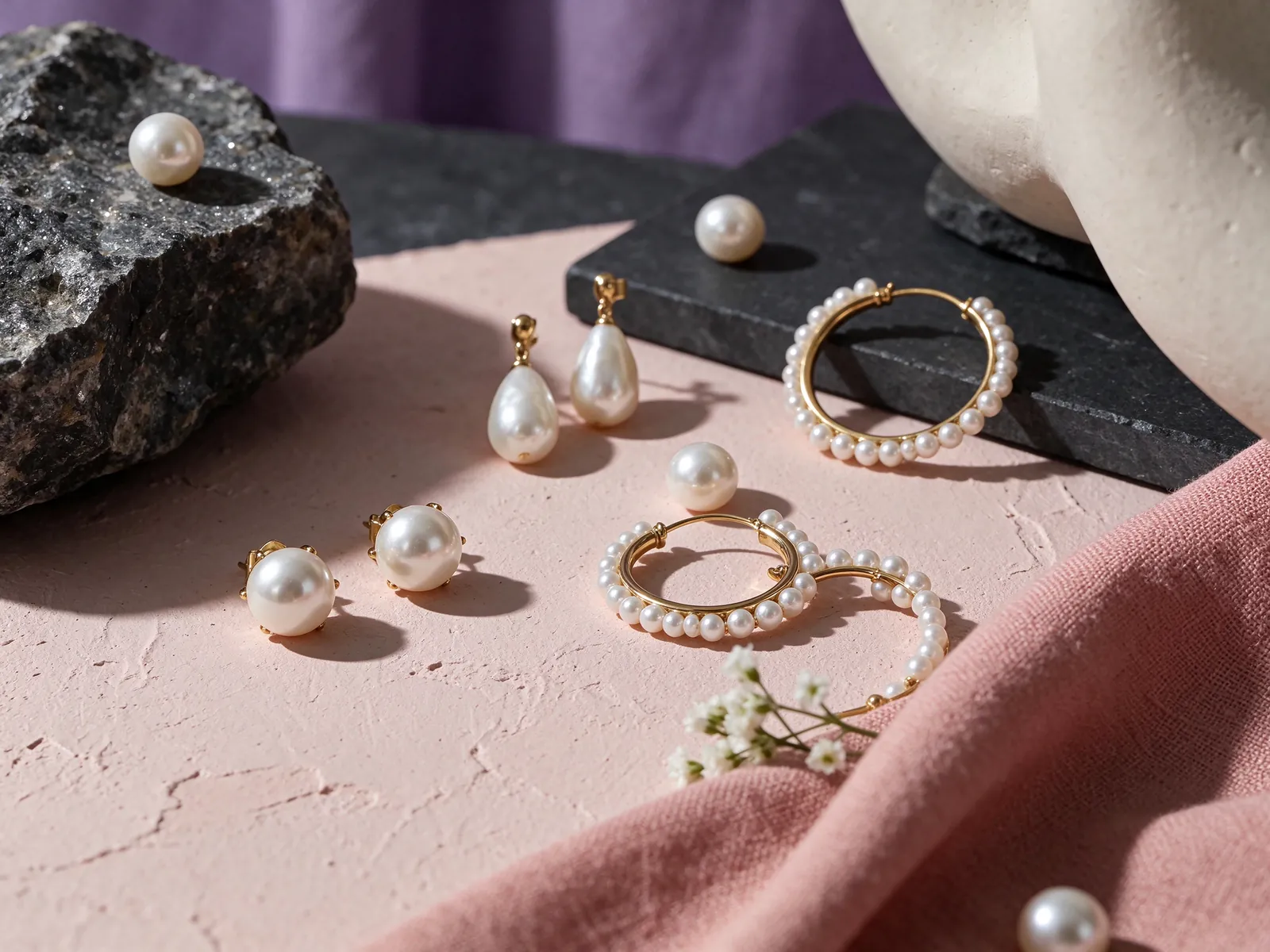
Consider how the back holds the pair without squeezing the lobe
A fastening needs to hold the earring, but tightness alone is not a measure of good fit. Consider the space available around the lobe and the position of the back's edges. Similar shapes do not make every back interchangeable with every post. The comparison of pearl earring back types should include the fastening method, the contact surface and whether handling the mechanism suits your routine.
Try to distinguish the words you use for discomfort. Pressure, tugging and itching communicate different experiences, even though none identifies a cause by itself. Observe whether the front tilts and whether discomfort seems concentrated behind the ear. Do not use those observations as an allergy test. If you experience redness, swelling, pain or lasting irritation, avoid continuing through it and seek advice from a healthcare professional.
Choose support for a specific balance problem
If the front tends to lean forward, ask how earlobe support backs for pearl earrings would fit the proposed post and sit behind the lobe. Explain whether you want a steadier appearance or easier handling. A larger contact area is not automatically more comfortable, and a support back is not a treatment for metal allergy. Its purpose in the comparison is structural balance.
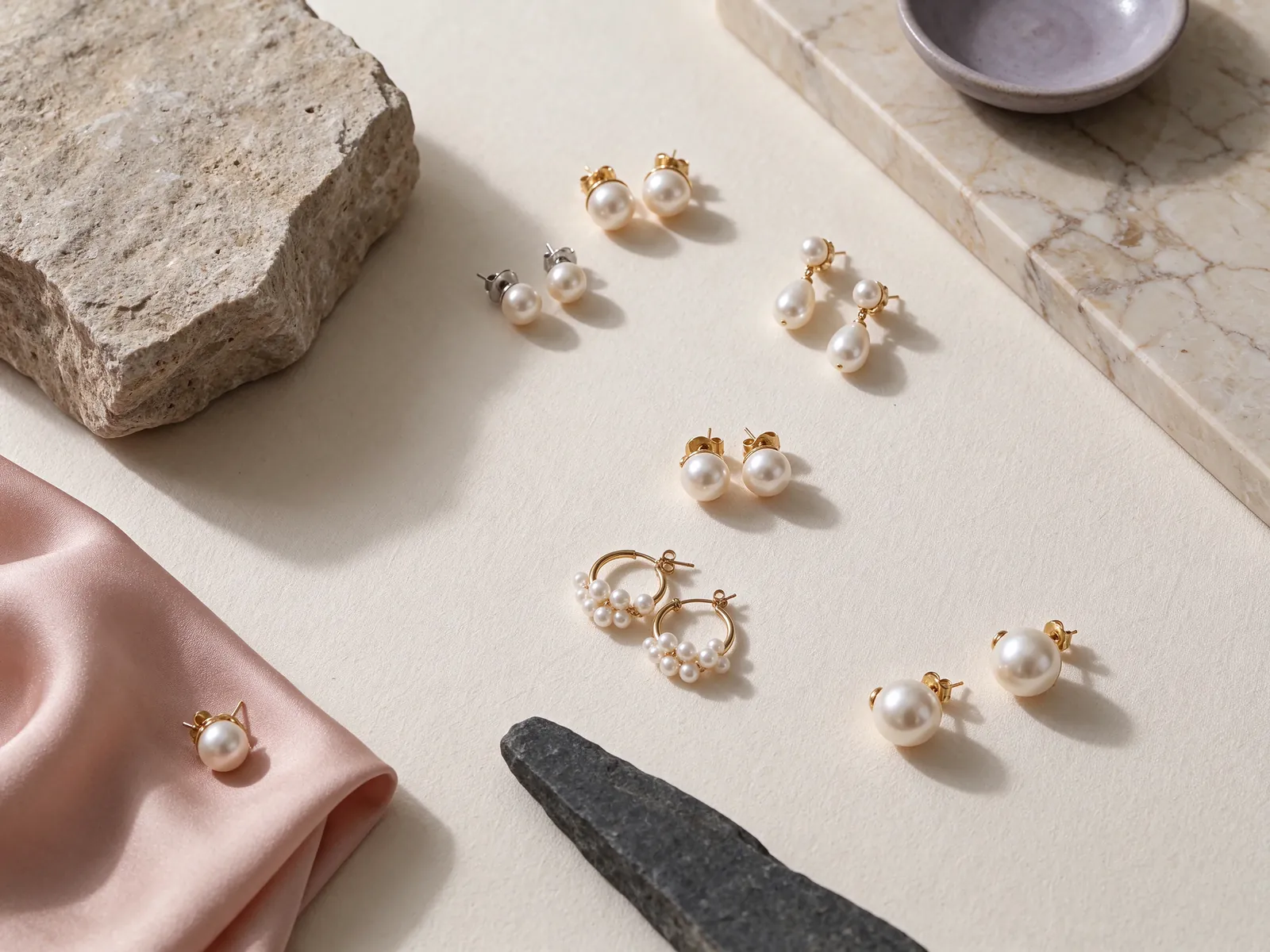
Read size as visual proportion, not a comfort rating
The visible pearl is only one part of an earring. A small-looking pearl can be paired with a substantial setting, while a bold-looking design cannot be weighed by a photograph. Consider the complete construction rather than assuming pearl size determines the wearing experience. Use the pearl earring size guide to compare visual scale, then ask how the front, suspended elements and back work together.
Stud-like outlines and drops create different relationships with your ear and clothing. A close-fitting silhouette keeps attention near the lobe; a drop moves with you. Think about turning your head, using a phone and sweeping hair behind your ear. These movements can clarify your preferences without inventing a universally safe size or weight for sensitive ears. Explain the activities that matter in your day.
Beautiful matching does not verify skin suitability
GIA identifies seven pearl value factors: size, shape, color, luster, surface quality, nacre quality and matching. They are useful for discussing the appearance of a pair, including whether the two pearls look harmonious. They do not identify an allergy-safe post. Keep beauty and metal contact as separate topics, and do not infer pearl species, origin or certification from color or roundness.
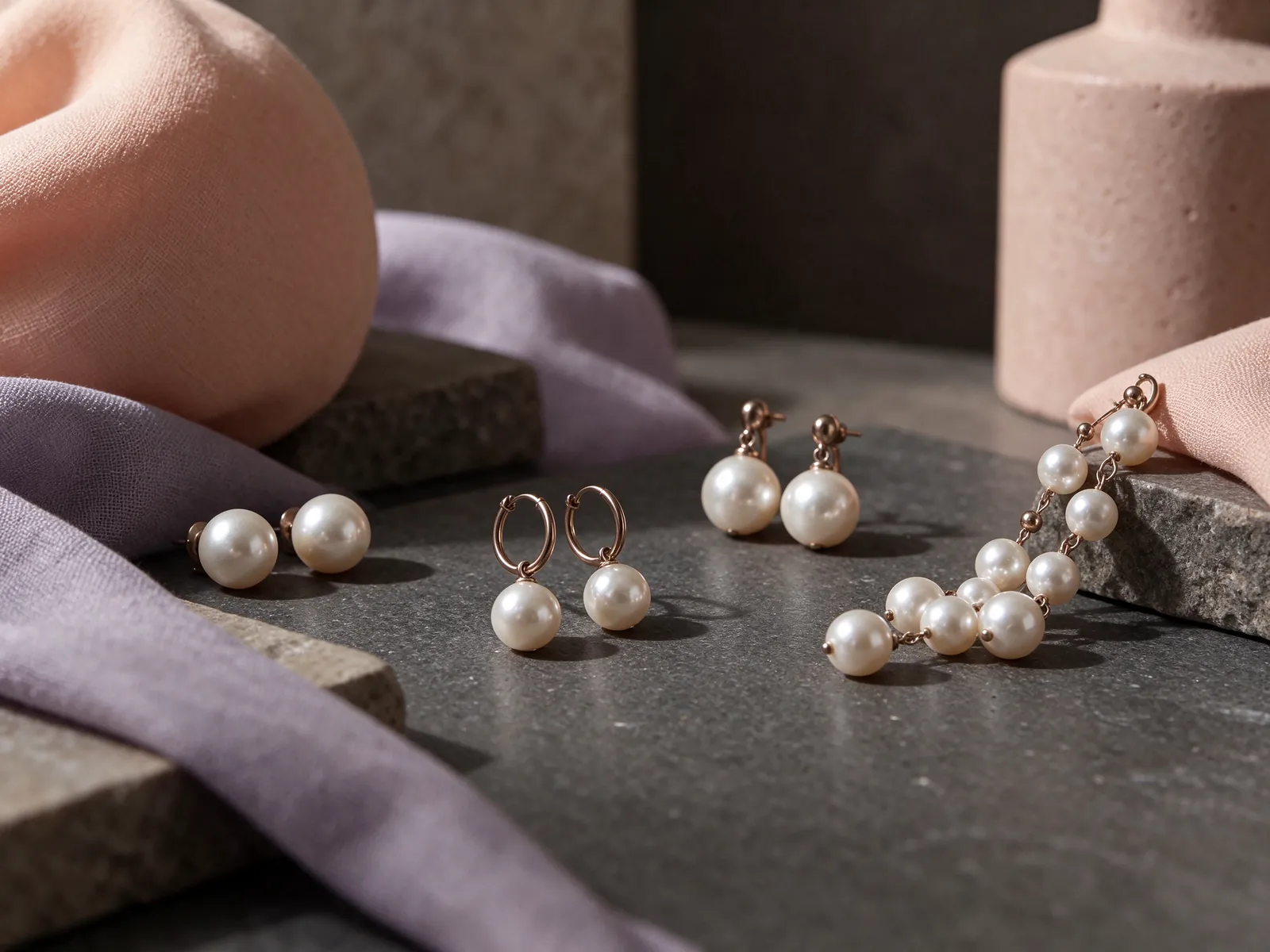
Build the look around your clothing and accessories
Start with what sits near your ears every day: jacket collars, high-neck tops, glasses and loose hair. A pearl does not need a long drop to become a focal point. Hair pulled back shows more of the setting, while loose hair may pass around moving parts. Browse pearl earrings for the outline you like, then bring that outline back into a conversation about fastening and contact.
For a wedding or evening event, consider earrings alongside the neckline and hair accessories rather than treating bigger as automatically more formal. If the necklace is already a strong feature, a quieter earring shape can keep the outfit balanced. Practical needs also matter: easy removal, fewer opportunities to catch clothing, or enough space to handle glasses are clear priorities that can guide the design.
Get familiar with the fastening before the occasion
An important event is not an ideal setting for your first extended wearing experience with a new pair. Learn how to put it on and remove it, and consider its interaction with the outfit beforehand. There is no fixed trial period that proves suitability for everyone. If discomfort appears, do not endure it for the sake of the look or photographs.
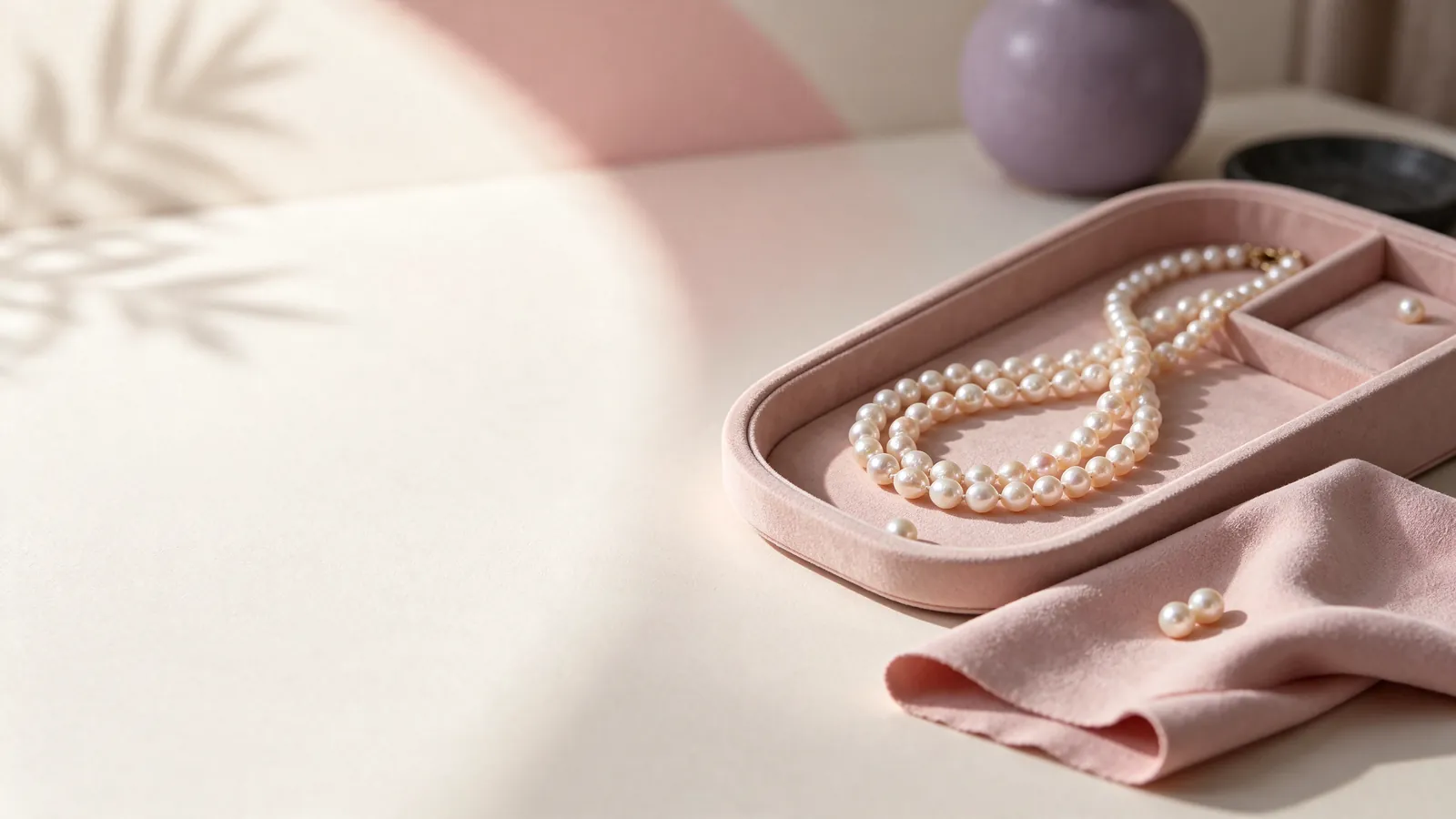
Non-pierced options change the structure, not the need for questions
A pearl ear cuff can place an ornament without passing a post through a piercing. However, the cuff still touches the ear and relies on a fastening position. It is an alternative style, not a guaranteed workaround for sensitive skin. Describe the intended placement, the other earrings you may wear and the headphones you use so the discussion considers the whole space around your ear.
Layering a cuff with another earring changes the visual balance and introduces additional contact points. Before combining pieces, understand how each one is attached and removed. A cuff that needs constant adjustment may not fit your routine, regardless of how compact it looks. Do not assume extra squeezing creates a better fit; discuss a different position or silhouette if fastening pressure is the concern.
Think through the path of headphones and glasses
Headphones, eyeglass arms and hair clips may crowd an area without touching the pearl directly. They can also move an ornament as you put them on or take them off. Explain these movements during a design conversation. If headphone convenience is the goal, the relevant question is clearance and handling, not simply whether the cuff appears small in a picture.
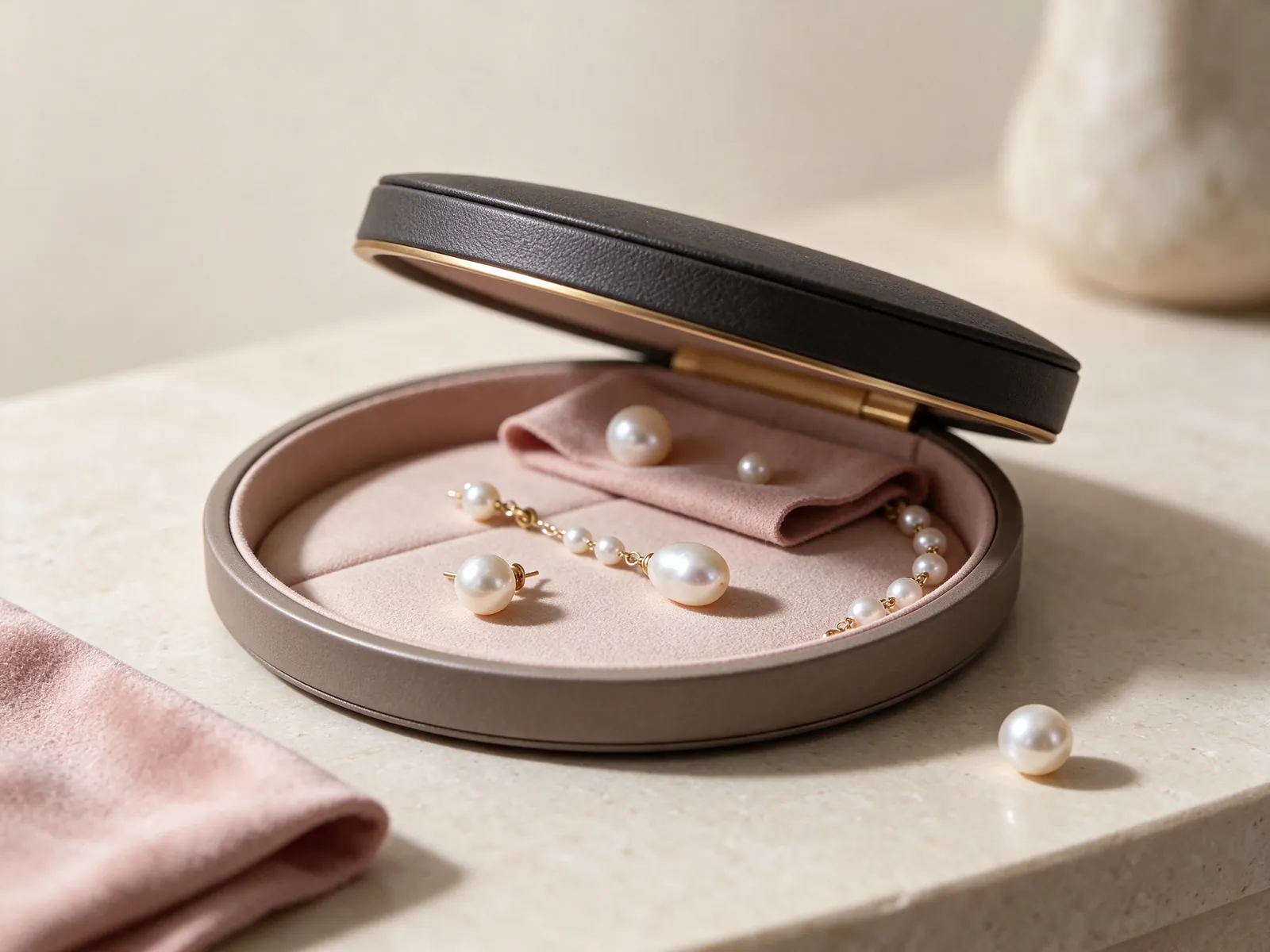
Keep pearl care separate from caring for an irritated ear
For routine care, GIA recommends wiping pearls with a very soft, clean cloth after wearing and avoiding acids, perfume, hair spray and excessive heat. Keep earrings away when using fragrance or styling sprays. A clean surface helps preserve the jewelry but does not establish metal compatibility. Ask about appropriate care for the post and back as well as the pearl, since the complete construction matters.
GIA rates pearl at 2.5 on the Mohs hardness scale and advises never using ultrasonic or steam cleaners. The number relates to pearl care, not skin reactions. Store the earrings separately from harder objects that could rub against the surface, including other jewelry or exposed posts. Keeping the backs organized after removal also helps you avoid mixing components unintentionally before the next wear.
Avoid treating the whole pair like a bare metal post
Do not soak a complete pearl earring in alcohol or a homemade solution just because you want to clean one metal part. The pearl and connecting structure may require different care. Ask about suitable handling for stubborn residue rather than experimenting on the entire pair. A healing or irritated piercing needs healthcare guidance; a jewelry-cleaning method is not a substitute for caring for the ear.
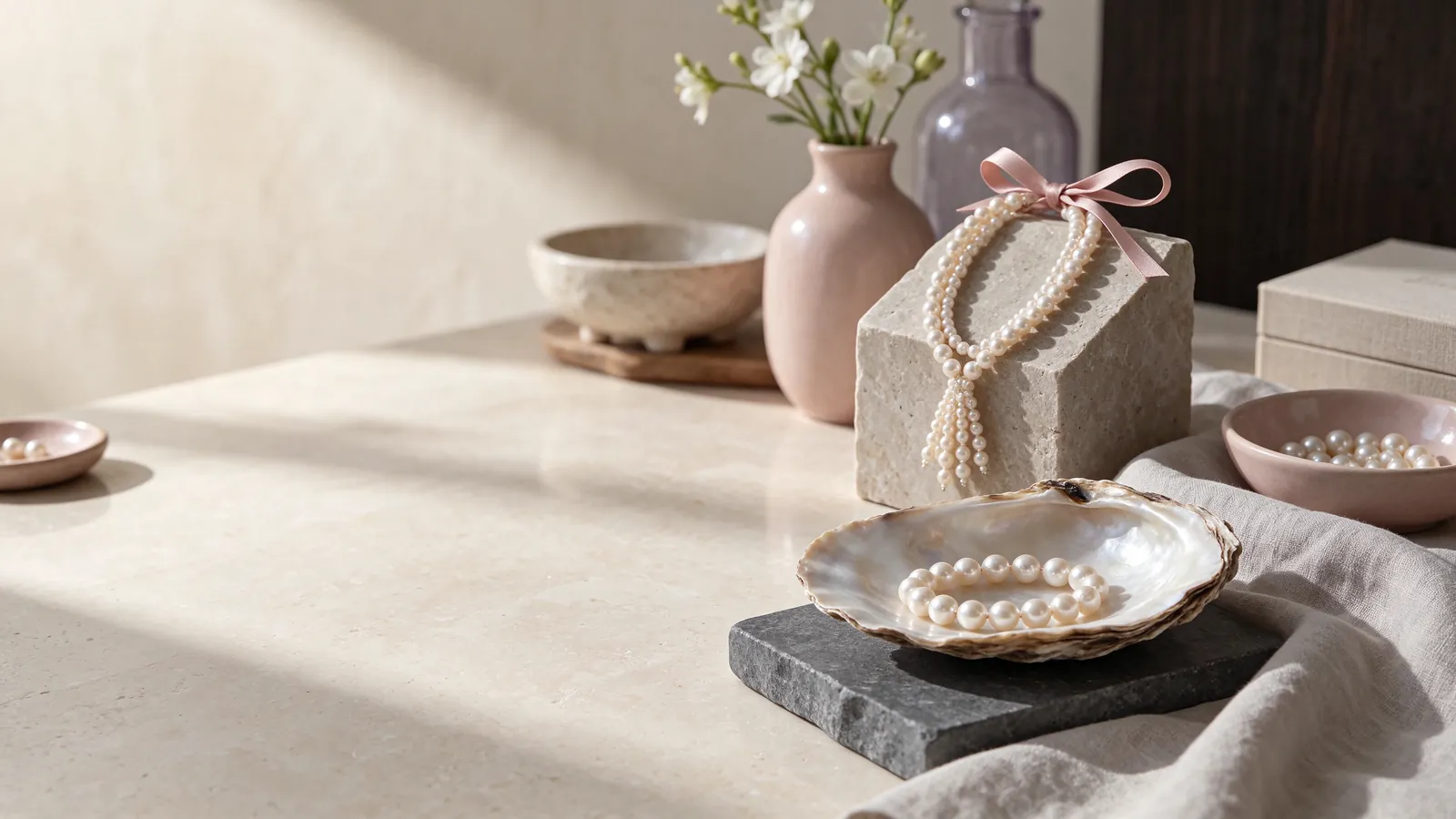
Prepare a design brief based on your actual wearing habits
A useful brief combines your previous wearing experiences, your everyday wardrobe and the pearl outline you enjoy. An older pair that felt comfortable can demonstrate a fastening or location, but its appearance alone cannot prove that a new pair has the same materials. Specific statements, such as a back pressing into the lobe or a drop touching the collar, make your practical needs easier to understand.
When choosing a gift, ask whether the recipient uses piercings and which fastening they prefer before deciding on a style. Allow them to share known contact needs if they wish; do not infer those needs from clothing colors. If you do not know the relevant details, discuss the visual direction first and let the wearer participate in component selection. The gift should not be described as improving sensitive ears.
Bring appearance and contact details into the same conversation
For customization discussions with Flint Jewelry, explain whether you prefer a close-to-lobe silhouette or a drop, the metal color you like and how you usually handle backs. Add any established contact requirements, then ask about the post and back individually. This produces a practical design conversation without letting a single hypoallergenic label replace the details that matter to your use. Contact Flint Jewelry on WhatsApp at +85260106207 to discuss earring designs and the metal options above, starting with your preferred silhouette and everyday wearing needs.
| Area | Component question | What to observe | Outfit consideration | Limit of the comparison |
|---|---|---|---|---|
| Post and setting | Materials of the parts touching the ear | Position of the front against the lobe | Outline revealed by an updo | Color cannot prove personal suitability |
| Back | Mechanism and fit with the post | An edge pressing against the ear | Ease of removal | Tightness is not a comfort guarantee |
| Overall balance | Front, drop and support together | Tilting or movement | Clearance around collars and glasses | Pearl size is not an allergy grade |
| Non-pierced design | Placement and contact surfaces | Pressure and headphone handling | Simple placement or layering | No post does not mean no skin contact |
| Maintenance | Care suited to the full construction | Soft wiping and separate storage | Keep away from fragrance and styling sprays | Jewelry care is not ear treatment |
Pearl knowledge and authoritative references
GIA lists pearl at 2.5 on the Mohs hardness scale and says pearls should never be cleaned with ultrasonic or steam cleaners. This is a pearl-care fact, not an allergy-risk score.
Read the reference for this factFrequently asked questions
If only one ear reacts, does that mean the metal is not the problem?
Not necessarily. Different reactions cannot confirm or rule out an allergy. The two sides may also differ in back position, tilt or routine contact. Describe what happened and seek healthcare advice for significant or persistent symptoms rather than testing a theory by continued wear.
Is a new pair suitable if its metal looks like my old comfortable earrings?
Appearance alone cannot establish that the post, back and setting are the same. Use the old pair to explain your preferred position and fastening, but ask about the new pair's individual components rather than relying on matching color.
Does this page provide a schedule for switching earrings after piercing?
No. This is a guide to design choices and jewelry contact, not a piercing-healing schedule. Follow healthcare instructions for a new or healing piercing, and do not use ordinary pearl earrings as piercing-care equipment.
Can a clear product photo prove a back is hypoallergenic?
No. It may show its shape, but it cannot establish personal suitability or all material details. Ask about the post and back directly. Pearl luster, roundness and surface appearance do not prove a low-allergy property.
How can I choose a gift without knowing the recipient's allergy history?
Start with their preferred outline and fastening, and ask whether they would like to participate in material choices. Respect any preference not to share health details. Avoid presenting the gift as guaranteed suitable or as a solution for sensitive ears.
Updated: