
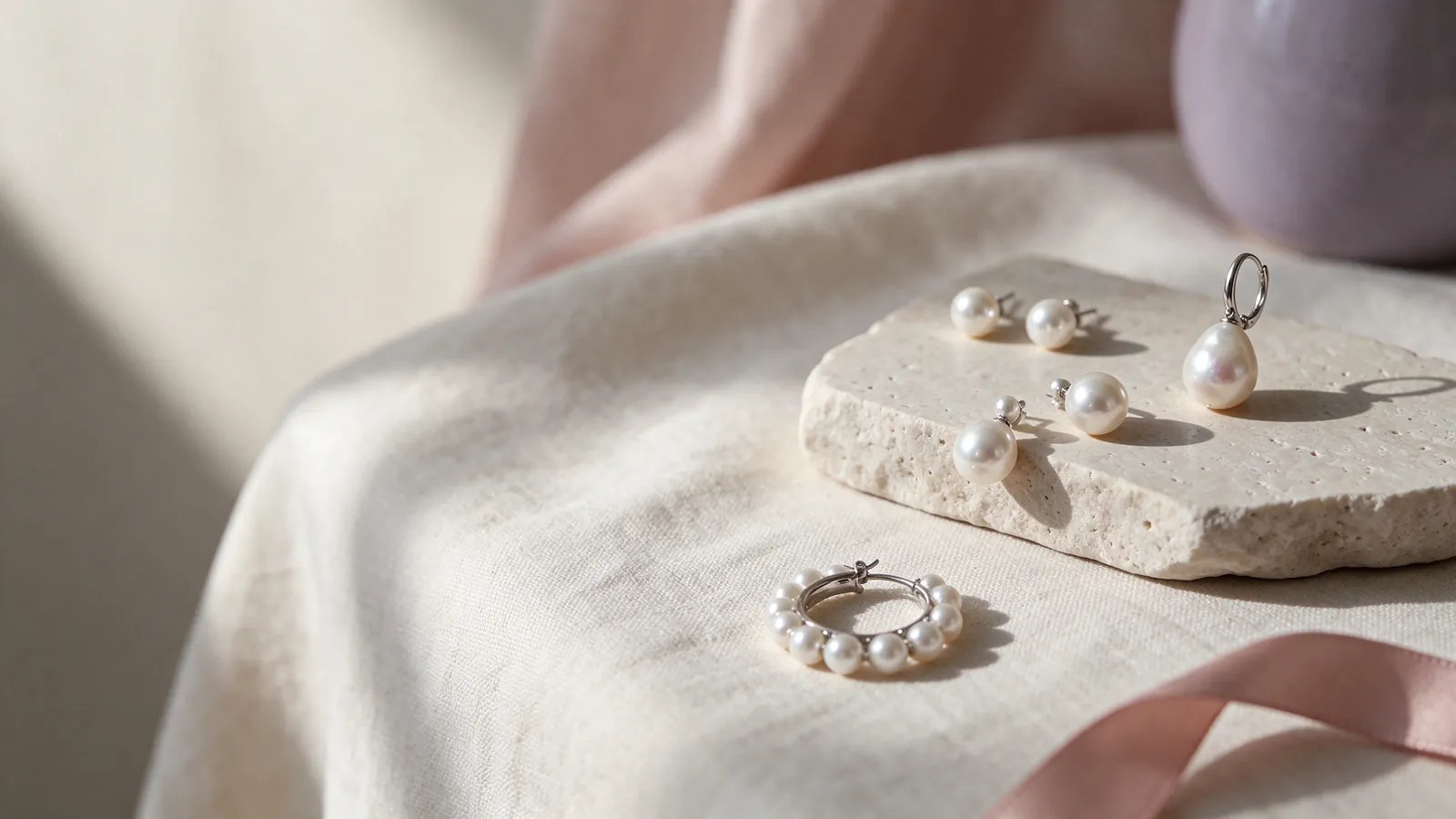
How hoop size and pearl placement shape pearl hoop earrings, from subtle pearl hoops to more prominent hoop earrings with pearls
When comparing pearl hoop earrings, decide what you want the eye to notice first: the curved metal line, the pearl or the open area between them. A hoop with visible negative space reads differently from one where the pearl occupies most of the opening. Browsing the broader shapes of pearl earrings can help separate your preference for a framed silhouette from your preference for a pearl sitting close to the face.
The diameter is only part of that picture. The thickness and orientation of the hoop alter how much of the curve you see, while pearl placement sets the focal point. A lower pearl leads attention beneath the ear; a pearl nearer the lobe keeps the emphasis higher. If pearls follow the arc, consider their spacing and the balance of the whole outline rather than assuming that more pearls make a better design.
When trying on pearl hoop earrings, how should pearl hoops and hoop earrings with pearls sit beside the earlobe?
Look straight ahead without posing, then check the space between the lower edge of your earlobe and the curve. Is the pearl visible, or does the lobe cover it? From the side, see whether the hoop turns outward or keeps the orientation you prefer. Small, natural head movements help reveal contact with the collar or neck. Stop the fitting if the earring presses, pulls or causes persistent discomfort; closeness alone is not evidence of a good fit.
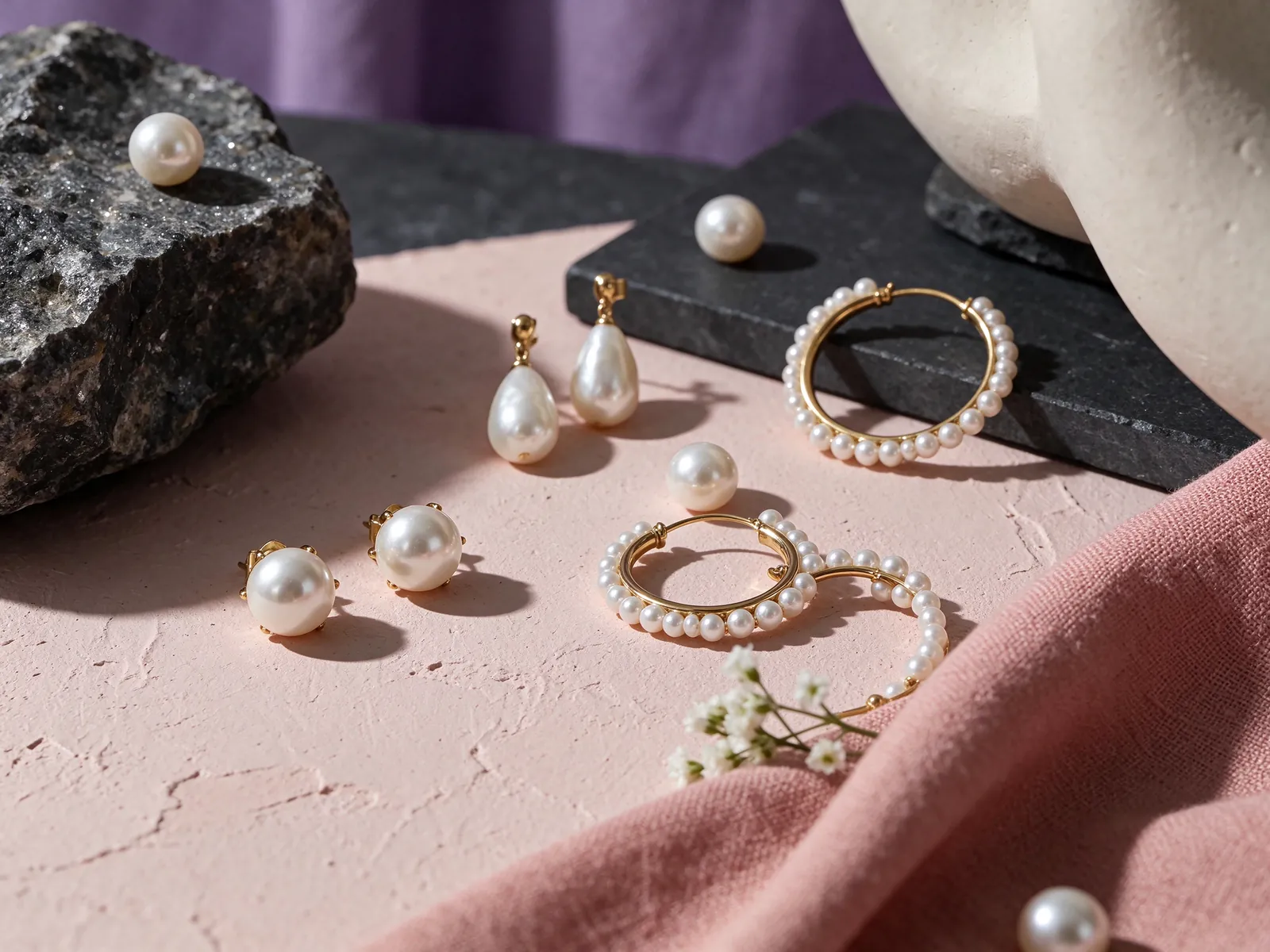
Choose the pearl’s movement before choosing an attachment style
With a pearl attached directly to the curve, the visual relationship between pearl and hoop stays more consistent. Examine the setting and the amount of pearl surface it leaves visible. With a suspended pearl, movement becomes part of the design: the pearl can rotate, sit behind the curve or touch the metal as you turn. A still product image cannot show all of these behaviors, so include side and back views in your comparison.
Considering detachable pearl earring charms introduces another question: does the attachment work with the specific hoop? The opening needs to accommodate the route past the closure and any decoration, not merely the portion where it will eventually hang. Once attached, the pearl should face in a direction you actually like. Treat the hoop and charm as a combination to assess, rather than two attractive parts that must fit because their colors match.
Document an existing hoop before discussing a charm
If you hope to use hoops you already own, gather a front view and clear views of the back and open closure. Those images explain the connection more effectively than a cropped outfit photo. Handle loose attachments over a stable surface with a place to set them down. Avoid opening the hoop by pulling its pearl, and do not force a charm past a fitting that blocks its path.
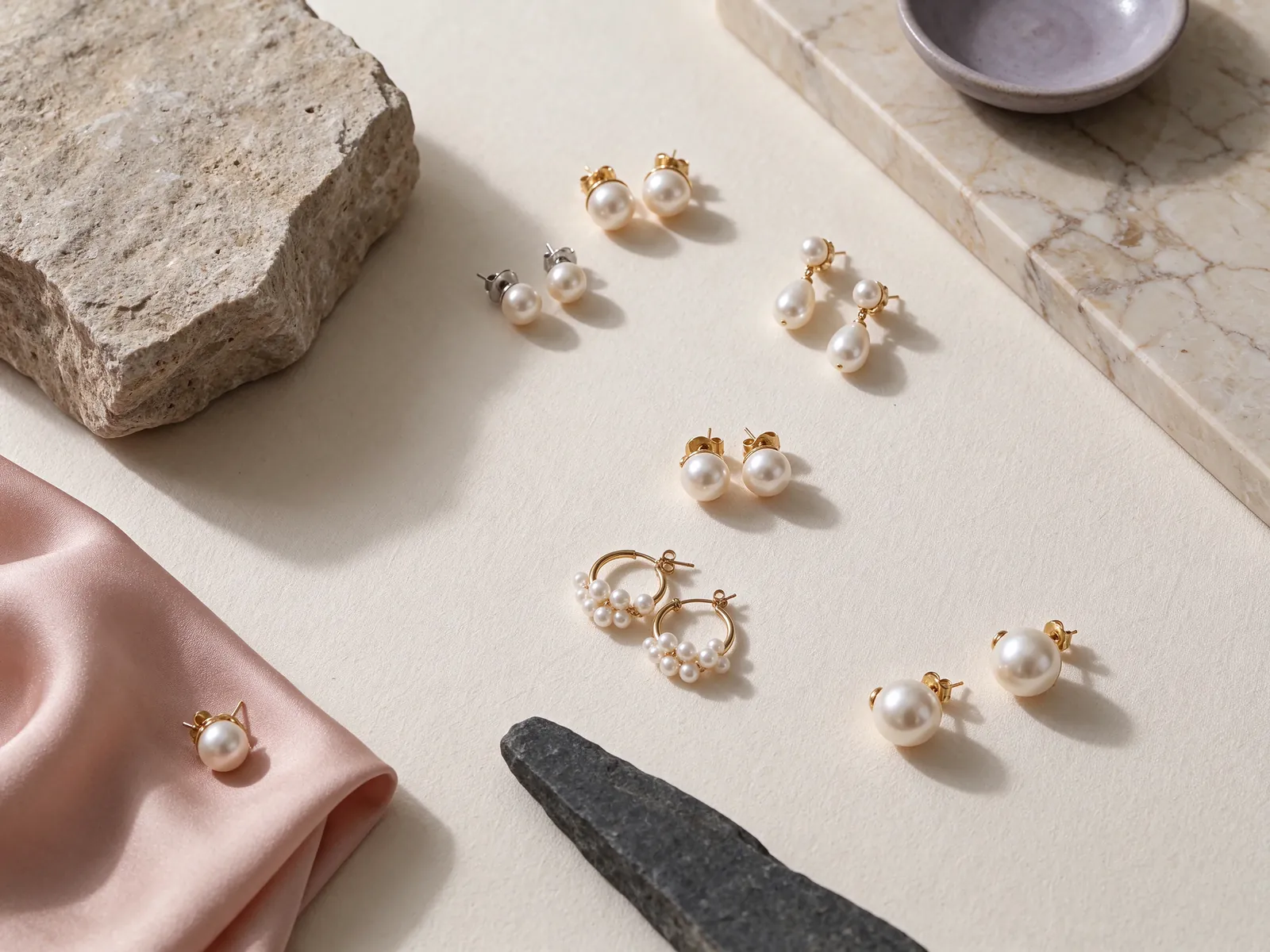
Separate the hoop silhouette from the fastening method
The word hoop describes an outline, not a complete fastening specification. Before a fitting, understand where the post enters and how the closure releases. After fastening, inspect the rear contact points and the direction of the curve. Your earlobe's thickness and piercing angle can change the appearance as well as the feel. A compact outline may still leave inadequate room at the back, while a more open one may sit differently from its photograph.
If you do not wear pierced earrings, compare clip-on pearl earrings on their own terms: their support and pressure points differ from those of a post. A pearl ear cuff gives you another wearing position, but it is not simply a hoop relocated without a change in fit. Establish where you want the pearl to appear, then evaluate the construction for that location. None of these categories provides a universal comfort promise.
Consider what passes beside your ears during the day
Glasses, headphones and mask straps can cross the same area as an earring. Think about your usual removal motions, not only how the accessories look when everything is in place. Talking and turning your head can also show whether the hoop rotates or draws the lobe downward. Take jewelry off before sleeping, showering or exercising instead of expecting any fastening to eliminate snagging or loss in every situation.
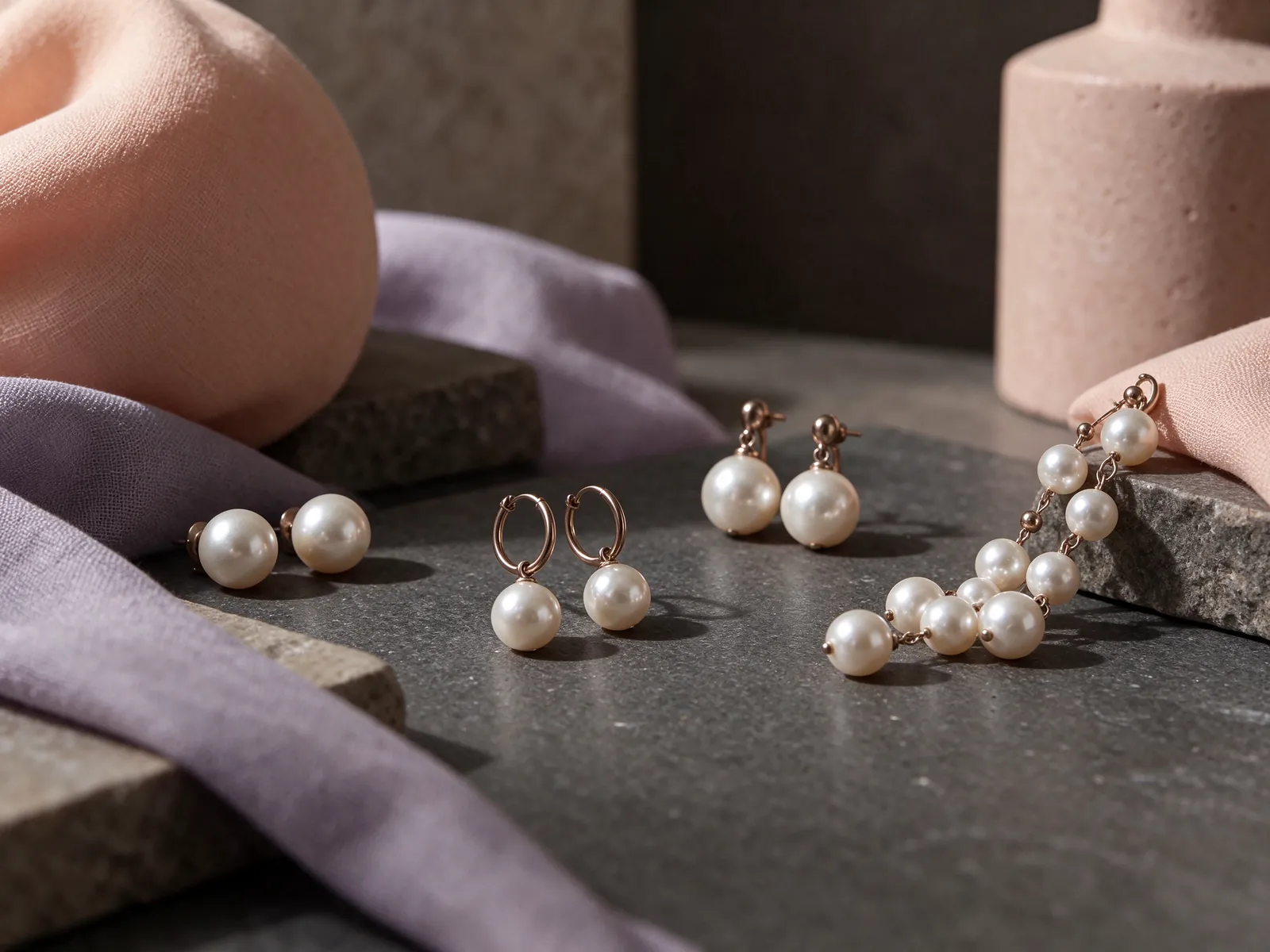
Use hair and clothing to frame the pearl rather than conceal it
An updo or short haircut exposes the curve, making the open area part of the outfit. Hair worn down may show only the lower pearl or a sliver of metal. Try the design with your normal hairstyle before making a choice; a fitting with all your hair pushed back can overstate its everyday visibility. Sometimes moving one section of hair is a more effective adjustment than choosing a larger hoop.
Your neckline supplies the next frame. A button-down collar, turtleneck or scarf can overlap a lower pearl when you turn, whereas an open neckline leaves more room around it. Compare that curved outline with pearl drop earrings to see whether you prefer a frame or a more direct downward line. If you are already wearing a noticeable necklace, a quieter earring can make the outfit feel connected without competing for the same attention.
Test an everyday outfit and an occasion outfit
Use a familiar shirt for one comparison and the neckline you expect to wear for the occasion for another. Keep the earrings unchanged and notice how their emphasis shifts. A front photo at a normal distance helps you judge the whole outfit, while a half-profile shows whether the pearl remains visible. Hoops are not automatically informal; the surrounding hair, fabric and accessories influence the impression together.
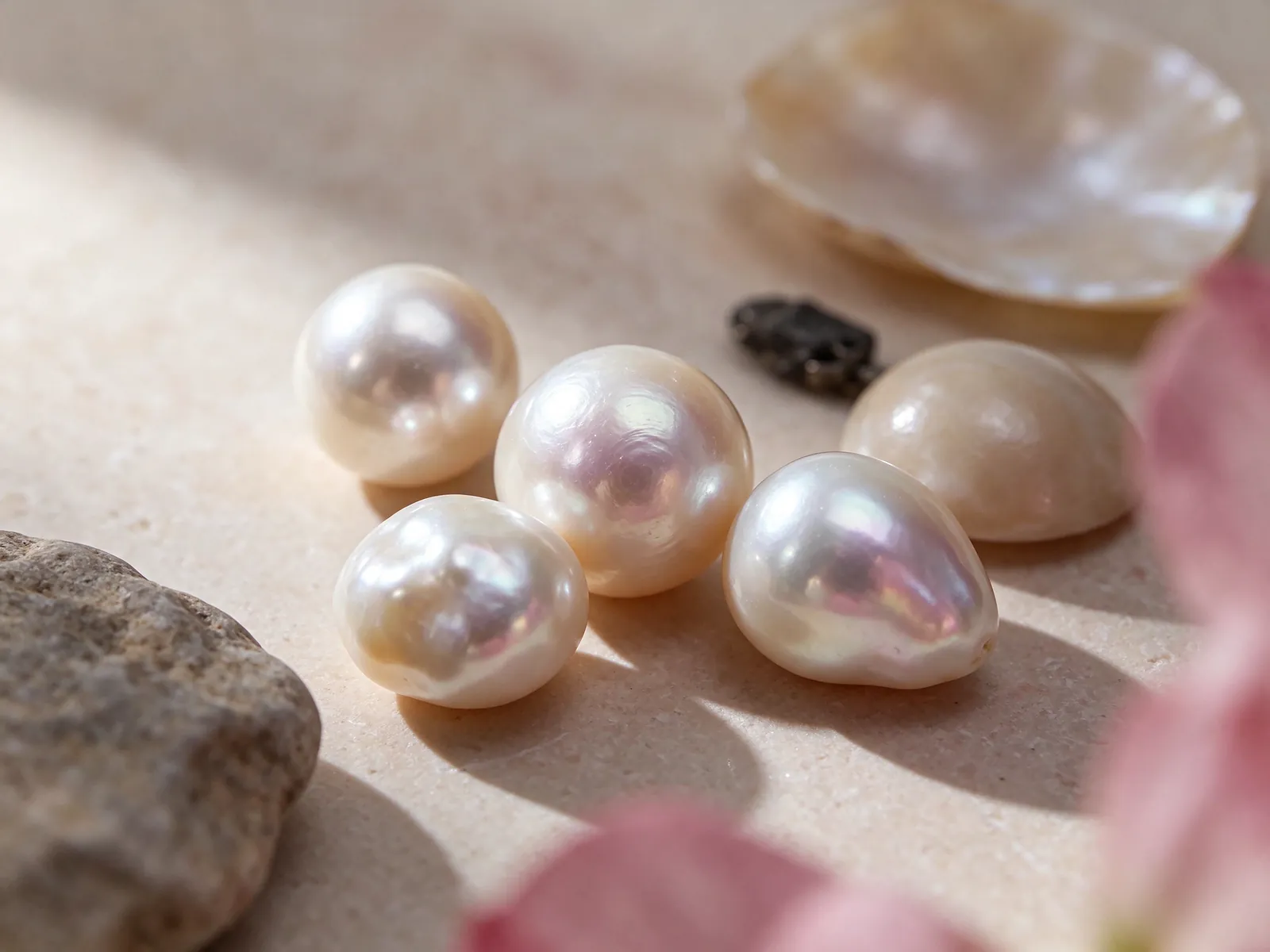
Compare the curved frame with hooks, long drops and asymmetry
By comparison, pearl hook earrings may appeal when the hanging line matters more than a complete hoop. Even if the pearls sit at similar levels, a hook leaves a different amount of open space around them. Compare both with the same hairstyle so the distinction is clear. Do not infer weight from the silhouette: an open-looking hook and a compact-looking hoop still need to be assessed through their actual construction and wearing feel.
In contrast, long pearl dangle earrings extend the focal point below the ear, while a hoop with a suspended pearl combines a curve with a downward accent. Check whether the end meets your collar, or how it occupies the open area beside your neck with a lower neckline. You do not have to follow a fixed face-shape formula. The front balance, side outline and way the piece moves can explain your preference more directly.
Make an uneven pairing look deliberate
A single pearl earring styling approach can help you plan a hoop on one side and a simpler accent on the other. A related pearl color or metal tone provides continuity without identical shapes. Before deciding, make sure your hair does not completely hide the longer side. Look at a straight-on outfit photo and adjust the hair or surrounding accessories if the result feels unintentionally weighted toward one side.
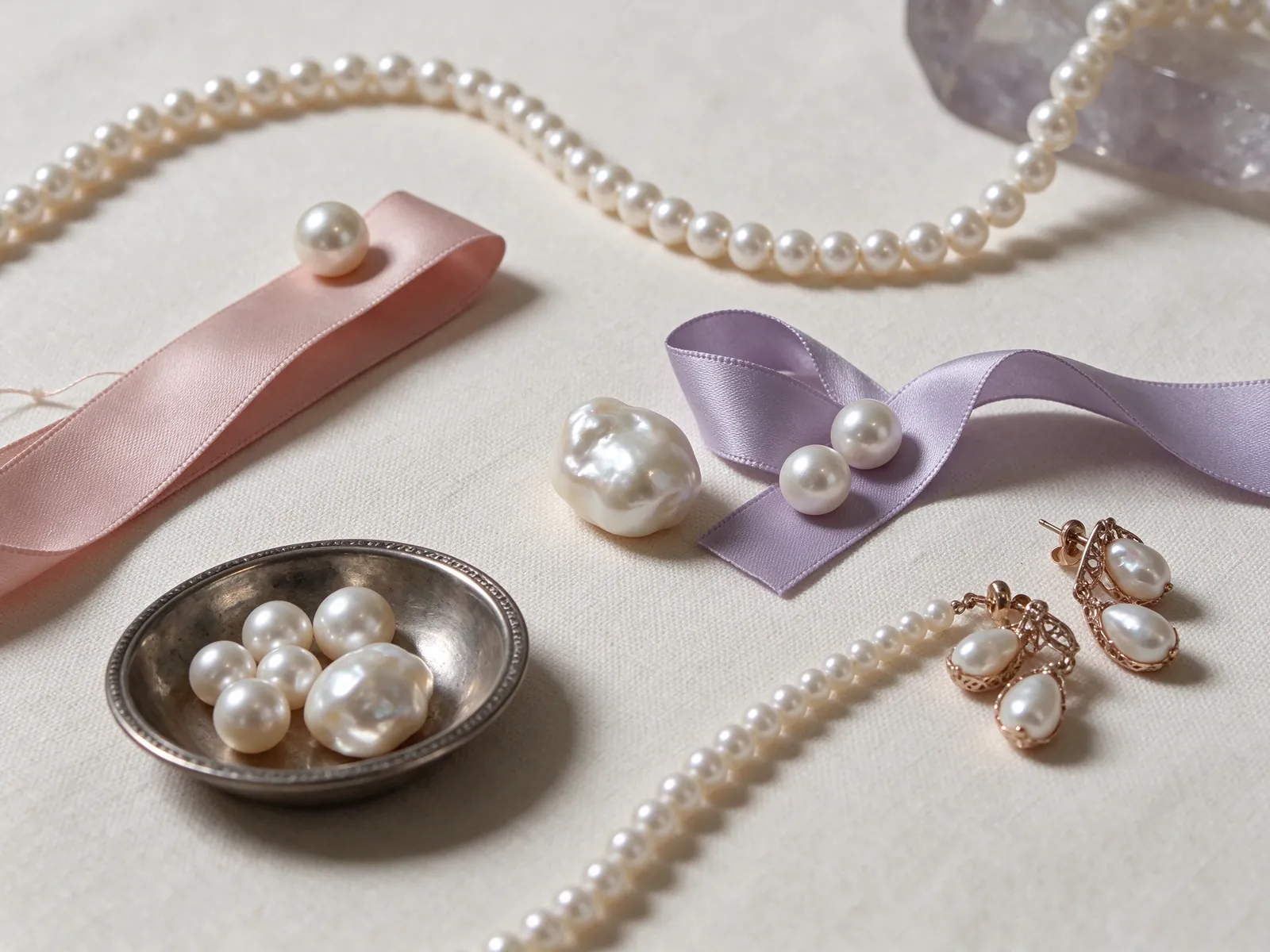
Look at the pearls as a pair and keep identity questions distinct
GIA identifies seven pearl quality factors: size, shape, color, luster, surface quality, nacre quality and matching. For earrings, start with how the pair relates at a realistic distance. Do the pearls appear harmonious in color and luster? Does the placement make one side look more prominent? Close inspection adds detail, but the metal curve and its reflections also influence the overall impression when the earrings are worn.
Use softer lighting to separate the pearl's luster from the shine of the hoop. A bright camera flash may obscure the surface behind a white reflection rather than reveal it. Appearance is not a substitute for identity: shape and color alone cannot establish origin or whether a pearl is natural or cultured. If that distinction matters to you, read the information for the particular pearl instead of relying on resemblance to another image.
Coordinate the metal tone with pieces you already wear
The metal options to discuss are 18K 750 white gold, 18K 750 yellow gold, 18K 750 rose gold, PT950 platinum and PT900 platinum, considering their suitability for the specific design. Bring your usual ring, necklace or glasses-frame colors into the conversation. You may prefer a blended look or a contrast around the pearl. The material name alone cannot predict the pearl's appearance or how the completed earring will feel.

Protect the pearl when cleaning and storing the curved design
GIA places pearl at 2.5 on the Mohs hardness scale. For a hoop design, this makes it important to prevent the pearl from rubbing against the metal curve or other hard objects in storage. Gently wipe pearls with a very soft, clean cloth after wearing. Keep the two earrings separated so hoops and hanging points cannot catch each other, and avoid leaving a suspended pearl pressed beneath other jewelry.
Pearls should never go into ultrasonic or steam cleaners. Keep perfume, hair spray, acids and excessive heat away from them; apply styling and cosmetic products before putting the earrings on. If the hoop needs cleaning, do not assume a metal-cleaning solution is suitable for the entire piece. Understand the method appropriate to the pearl and construction first, and avoid bending a small connector or prying it with a pointed tool.
Turn your preferences into clear questions for a styling discussion
Describe the opening you like, the pearl position you prefer and whether movement is part of the appeal. Add your regular hairstyle and necklines, or closure photos if you already have hoops for a charm. When choosing a gift, find out whether the recipient wears pierced earrings and which structures they normally enjoy. Flint Jewelry can discuss these styling priorities on WhatsApp without your having to reduce the decision to a single inspiration image.
| Feature | What to look at | Visual result | How to check | Question to ask |
|---|---|---|---|---|
| Space inside the curve | Opening next to the lobe | A stronger frame or pearl focus | Natural front and side views | Is the pearl visible beside my earlobe? |
| Pearl attachment | Fixed or suspended position | Stable placement or movement | Gentle head turns | Does the pearl move behind the metal? |
| Fastening | Post path and rear contact | Orientation on the ear | Use the intended opening method | Is there pressure after closing it? |
| Detachable fit | Charm opening and full hoop route | Direction of the hanging pearl | Assess the actual parts together | Will decoration or the closure block it? |
| Outfit framing | Hair ends and neckline | Visible outline or overlap | Try your normal hair and clothing | Does the pearl meet the fabric when I turn? |
Pearl knowledge and authoritative references
According to GIA, pearl has a Mohs hardness of 2.5; separate storage helps avoid rubbing between the pearl, the hoop and other hard objects.
Read the reference for this factFrequently asked questions
Does a compact hoop always fit a thicker earlobe?
No. The visible curve does not tell you how much room the post and closure provide. Check the fit after fastening and stop if it creates pressure or pulling, even if the outline looks right.
What should I check before putting a pearl charm on an existing hoop?
Check the charm opening, the route past the closure or decoration and the final hanging direction. The parts need to work as an actual combination; matching metal colors are not proof of compatibility.
Should the hoop show a complete circle when viewed head-on?
Not necessarily. Its orientation and the angle of your piercing change the visible curve. A side view gives important context, so judge the worn outline from both directions rather than expecting one fixed shape.
How can I make a pearl hoop stand out without increasing its size?
Check the pearl's placement relative to your hair and collar. Moving one section of hair, choosing a clearer neckline or favoring a more visible pearl position can change the framing without a larger hoop.
Is steam cleaning suitable when the pearl is only a small detail?
No. GIA says pearls should never be cleaned with steam or ultrasonic cleaners. A small pearl still needs pearl-safe care; the amount of metal in the design does not remove that requirement.
Updated: