
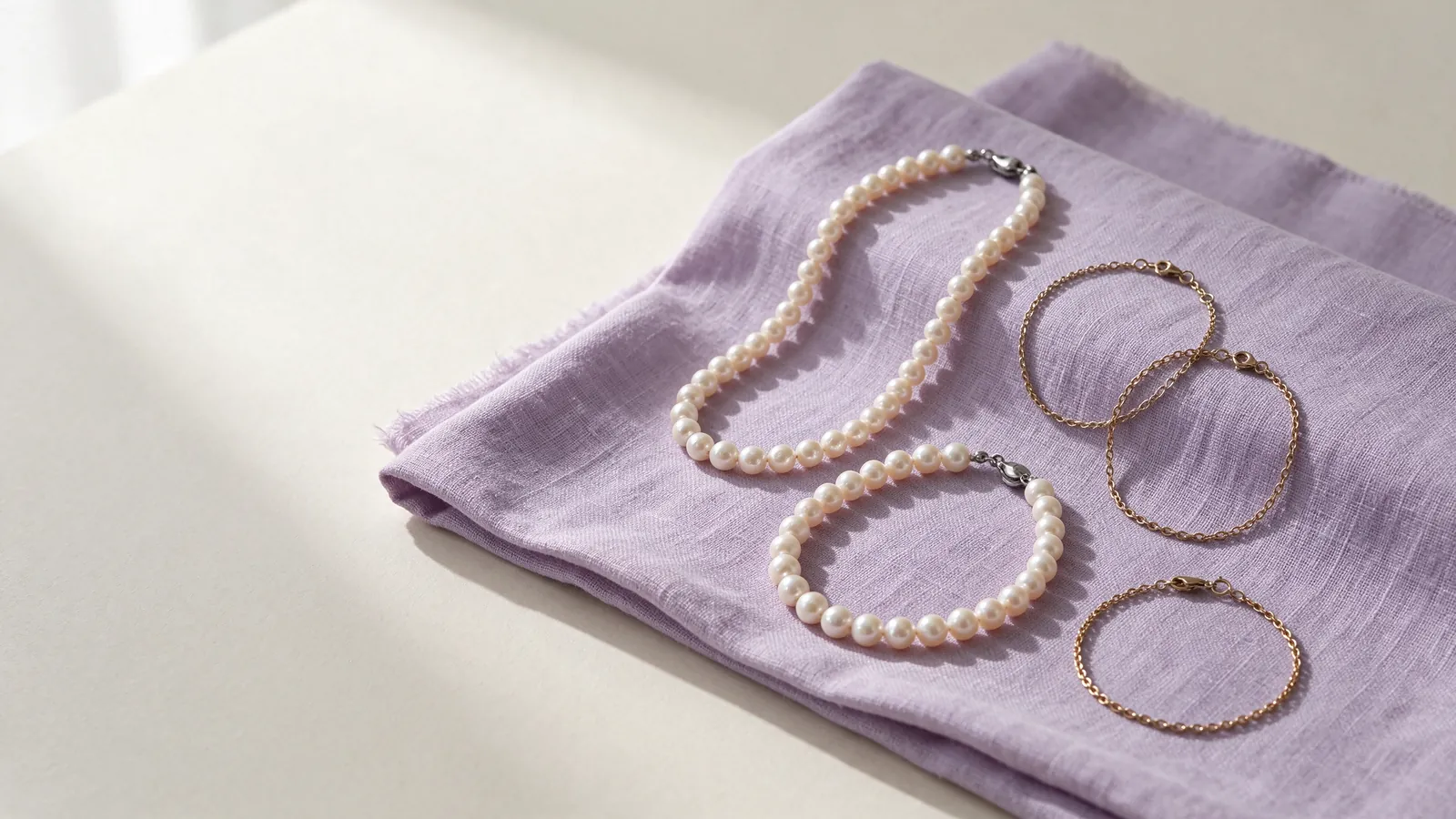
How should an 18k gold pearl bracelet fit, whether you favour an 18k yellow gold pearl bracelet or an 18k white gold pearl bracelet?
Begin by separating wrist size from the way you like a bracelet to move. A close outline can look neat, but its feel may change when you bend your wrist, hold a pen or rest your arm on a desk. A looser fit permits movement, yet it may also let the decoration slide towards the hand. Neither preference supplies a universal length: think about your usual activities as well as the appearance you enjoy.
The measured wrist circumference is not the finished bracelet length. Pearl arrangement, connecting elements, the clasp and the shape of the inside can all affect usable wearing space. A fine chain and a closely arranged pearl strand need not feel alike at the same stated length. Use the pearl bracelet size guide to organise your measurement, wearing position and preferred movement, rather than assuming that a fixed addition will suit every structure.
Before choosing an 18k yellow gold pearl bracelet or an 18k white gold pearl bracelet, how do you measure your wrist for an 18k gold pearl bracelet?
Use a flexible, non-stretch measuring tape at the intended wearing position, resting against the skin without compressing it. A marked paper strip can also be measured flat. Record where you measured and explain the movement you prefer; the measurement itself does not settle the final design length.
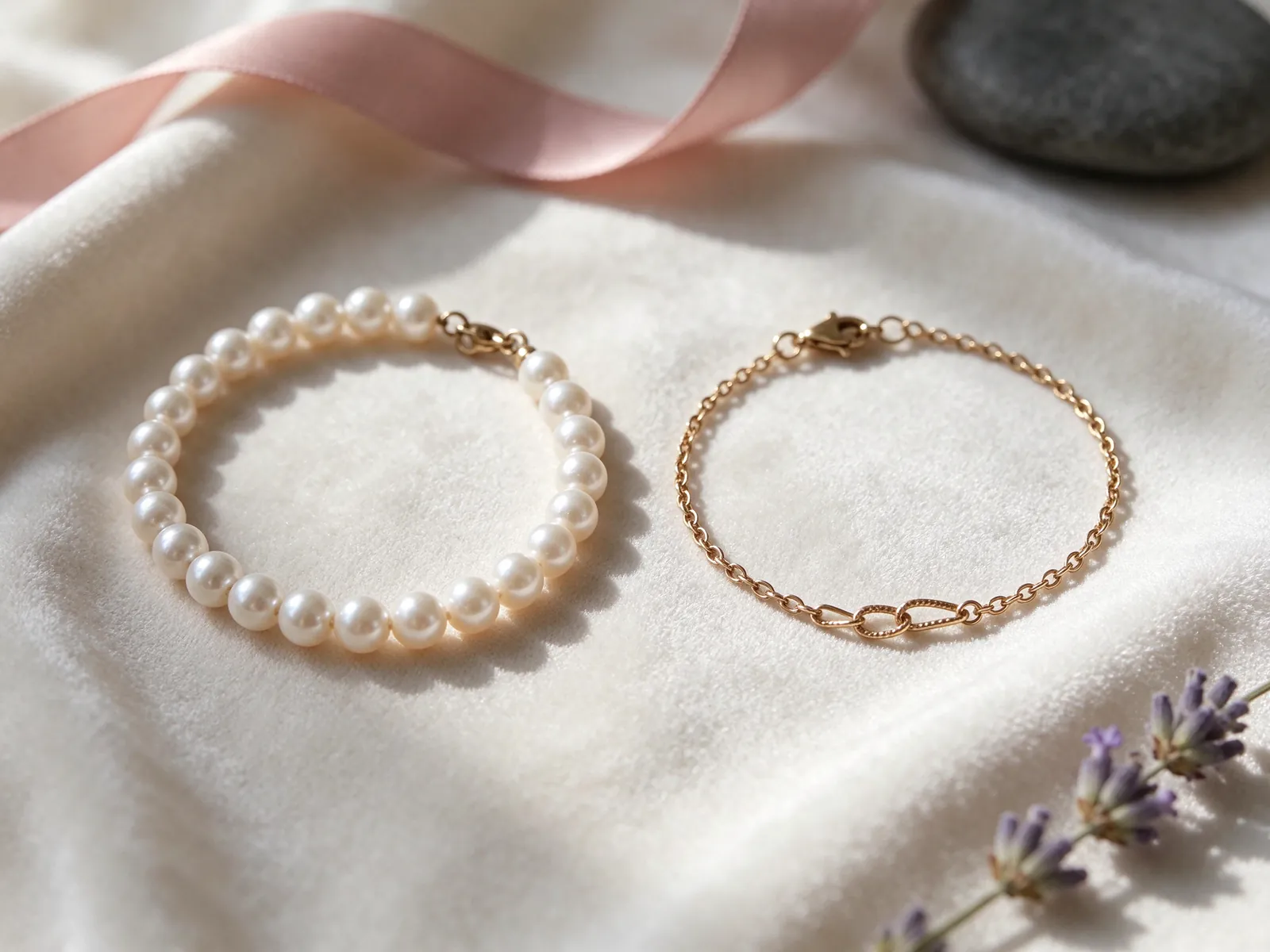
Choose a metal colour through the jewellery and clothes you already wear
An 18k yellow gold pearl bracelet can create a warm metal outline beside cream, brown or navy clothing. An 18k white gold pearl bracelet can sit comfortably with grey, black, cool white and clean tailoring. Treat these as starting points rather than rules about skin tone. Lay out your regular rings, earrings and a favourite sleeve colour, then consider whether you want the bracelet to repeat an existing colour or provide a deliberate contrast.
18K 750 rose gold offers another colour direction to consider beside soft pink or warm grey. The amount of visible metal matters too: exposed chain and a prominent clasp contribute more to the colour relationship than discreet connections. Compare the visible metal lines with the pearl lustre to decide which should take the visual lead. White gold means white gold, not platinum; if PT950 platinum or PT900 platinum is part of your decision, read about a platinum pearl bracelet separately rather than treating a silvery appearance as proof of the metal.
Can mixed metal colours still look considered?
Choose an existing ring or earring as a visual bridge, then keep other elements quieter. A coherent outfit does not require every piece to match. Looking at the whole arrangement is more useful than making the bracelet colour a rule for your entire jewellery collection.
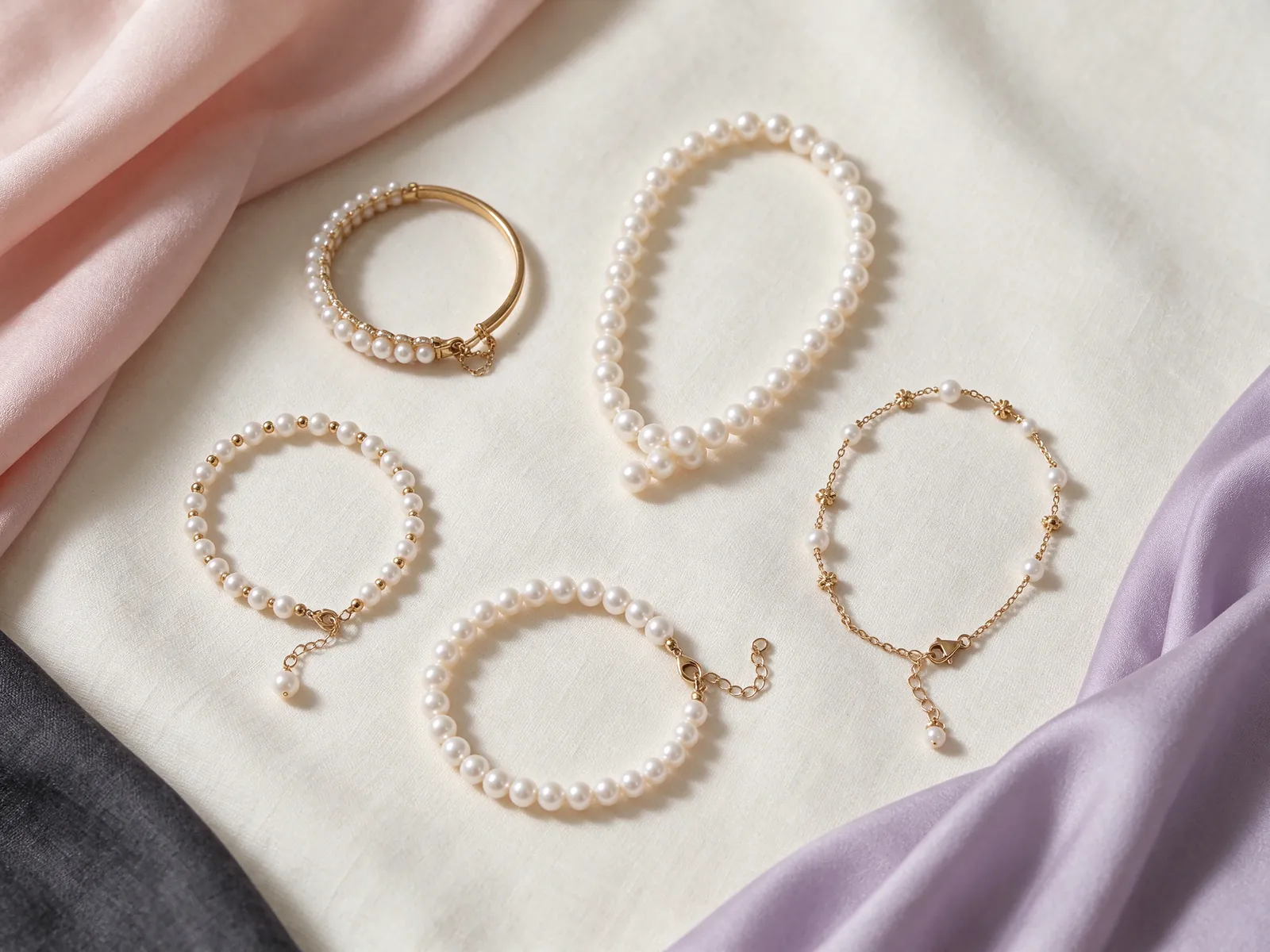
Describe pearl placement before deciding how substantial the bracelet should look
Continuous pearls, spaced elements and decoration concentrated in one area are useful ways to describe a visual preference. A continuous arrangement creates a clearer pearl outline around the wrist; spacing gives the metal and the skin more visible room. A concentrated area raises another question: do you want the focal detail to remain on top, or are you comfortable with it turning during movement? These descriptions help frame a design conversation without relying on a style label alone.
Proportion also involves the sleeve and hand, not just how large the pearls appear in a photograph. With close shirt cuffs, consider the space available when the cuff is fastened. With wider sleeves, look at how much of the bracelet will appear as your arm moves. A delicate direction may benefit from fewer competing details, while a more defined wrist accent may favour a continuous visual rhythm. In either case, the contact on the inside deserves as much attention as the front view.
How can you express a preference more clearly than sending a photograph?
Try descriptions such as wanting visible metal lines, a clear pearl focal point or less movement towards the palm. Add the sleeve style you wear most. Images can explain mood and proportions, but they do not reveal the actual fit, closure operation or construction.
Make clasp operation part of the choice, not an afterthought
A clasp needs to suit the hand that will operate it. If you wear the bracelet on your dominant wrist, you may be fastening it with your less familiar hand. Long nails or difficulty with small finger movements can change the experience as well. When considering a pearl bracelet clasp, explain how you usually put jewellery on, whether you prefer assistance and where you would like the closure to sit. Its appearance is only one part of its usefulness.
Once fastened, notice whether anything presses against the underside of your wrist, catches a cuff or pinches as you bend your hand. Convenient operation and secure closure are separate questions; an additional feature is not a promise that loss cannot occur. Check that the closure is properly engaged before wearing. If it feels loose, looks distorted or no longer operates smoothly, stop wearing it for attention rather than pulling on the pearls to test its strength.
Which ordinary movements help reveal an awkward fit?
Bend your wrist naturally, hold a pen and relax your hand. Bring your usual cuff over the bracelet and notice catching or pressure points. These observations help you assess comfort and styling limitations; they are not a reason to test the bracelet with force.
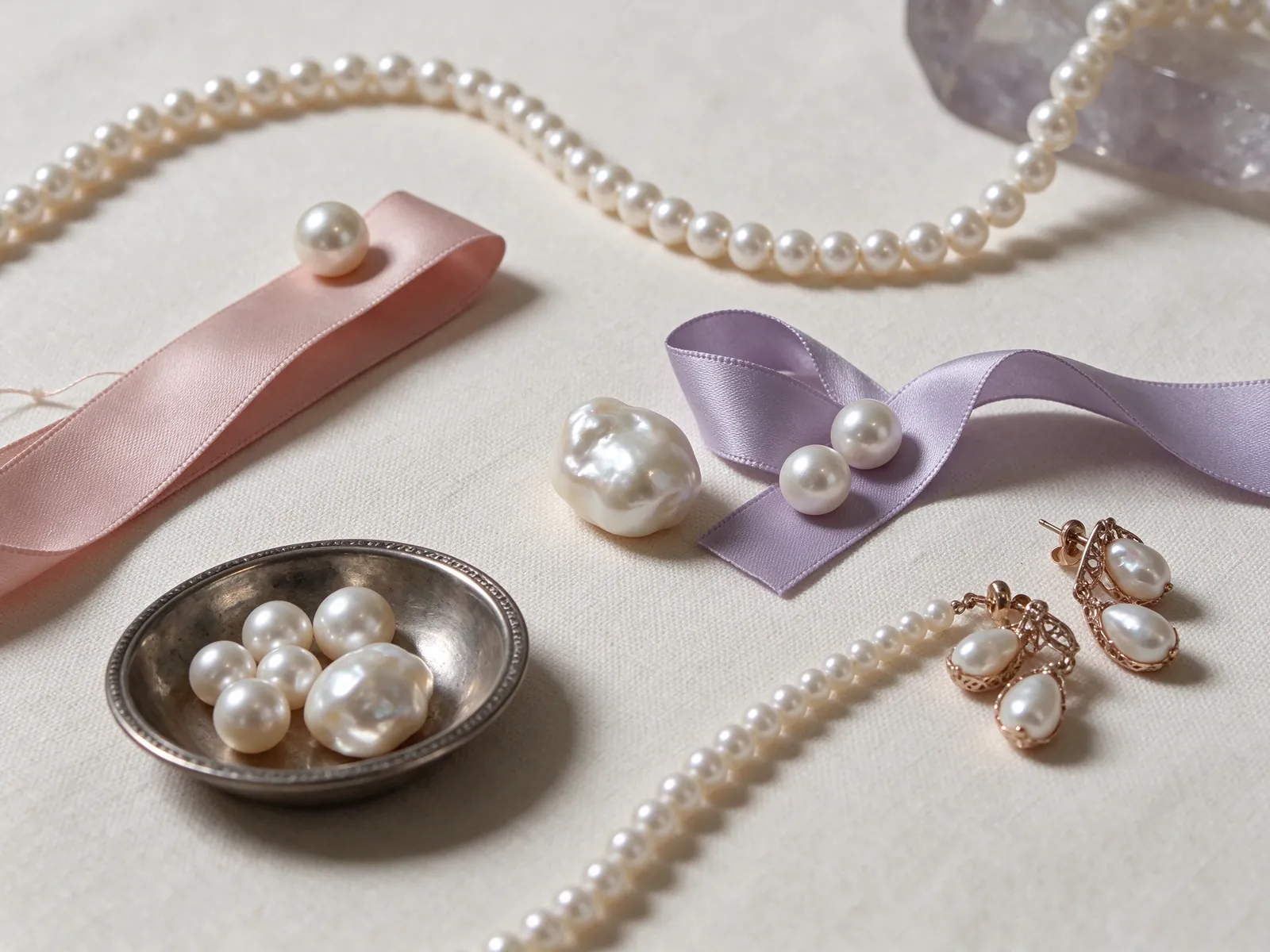
Assess pearl appearance separately from the gold description
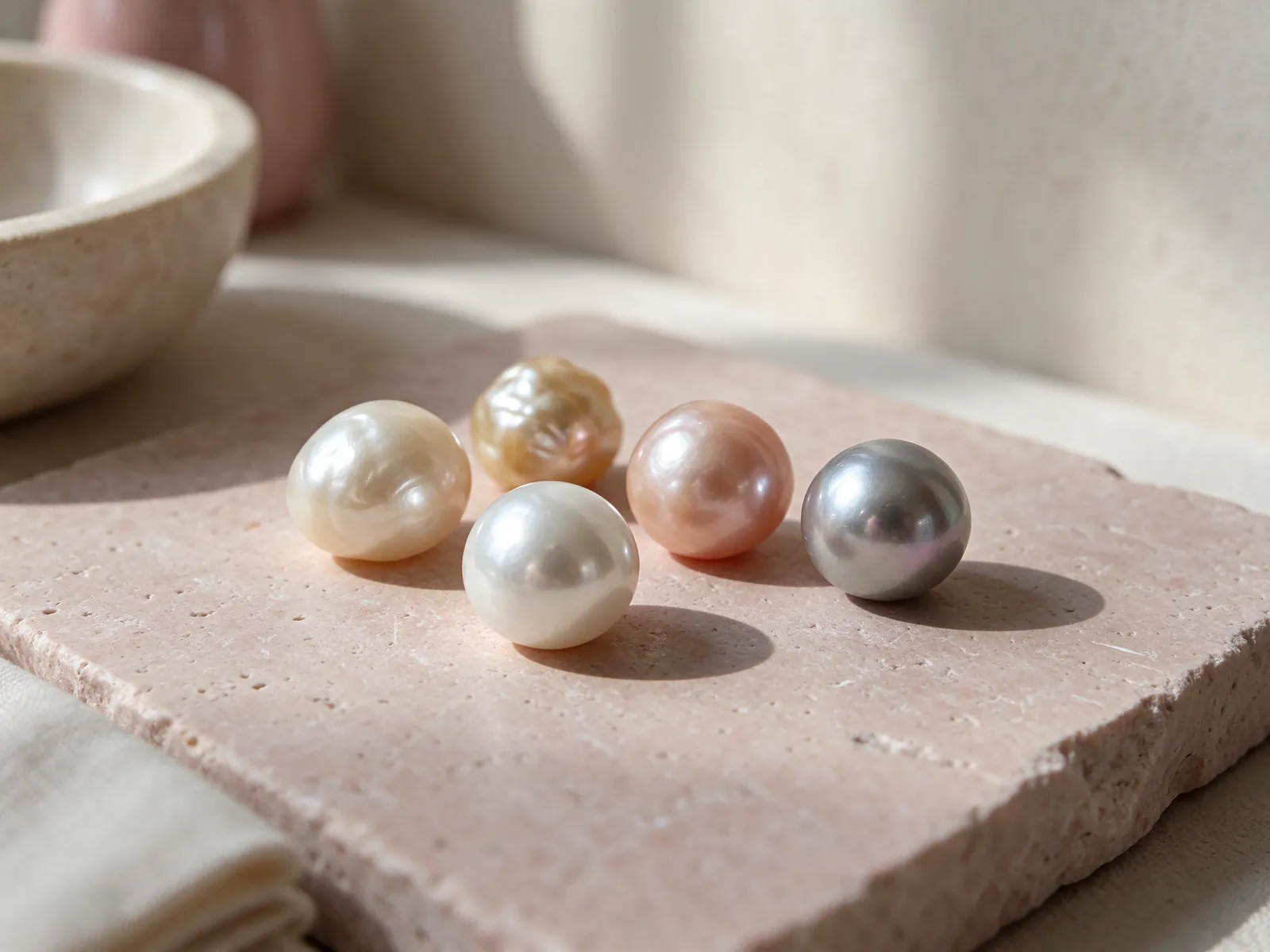
The gold designation does not identify the pearls. GIA describes seven pearl value factors: size, shape, colour, lustre, surface quality, nacre quality and matching for jewellery with more than one pearl. For a bracelet, consider how clearly light is reflected and whether the sequence of pearls has a coordinated colour and shape rhythm. One attractive feature should not stand in for all the others. Equally, your preferred metal colour does not establish a pearl grade or tell you its origin.
When comparing appearances, use similar lighting and backgrounds where possible rather than contrasting a soft studio image with a strongly lit one. Bodycolour, overtone and orient are distinct, and not every pearl displays all three. Reading about an Akoya pearl bracelet or a freshwater pearl bracelet can help separate pearl questions from metal styling. The identity of an actual pearl requires its written information; a white, round appearance or a photograph cannot establish species, origin or natural-versus-cultured identity.
Do you prefer visual uniformity or deliberate variation?
A coordinated sequence and a rhythm of visibly different shapes produce different styles. Decide whether you want the pearls to read as one flowing line or as individual details. That preference guides the appearance you enjoy, but it does not replace quality assessment or identity information.
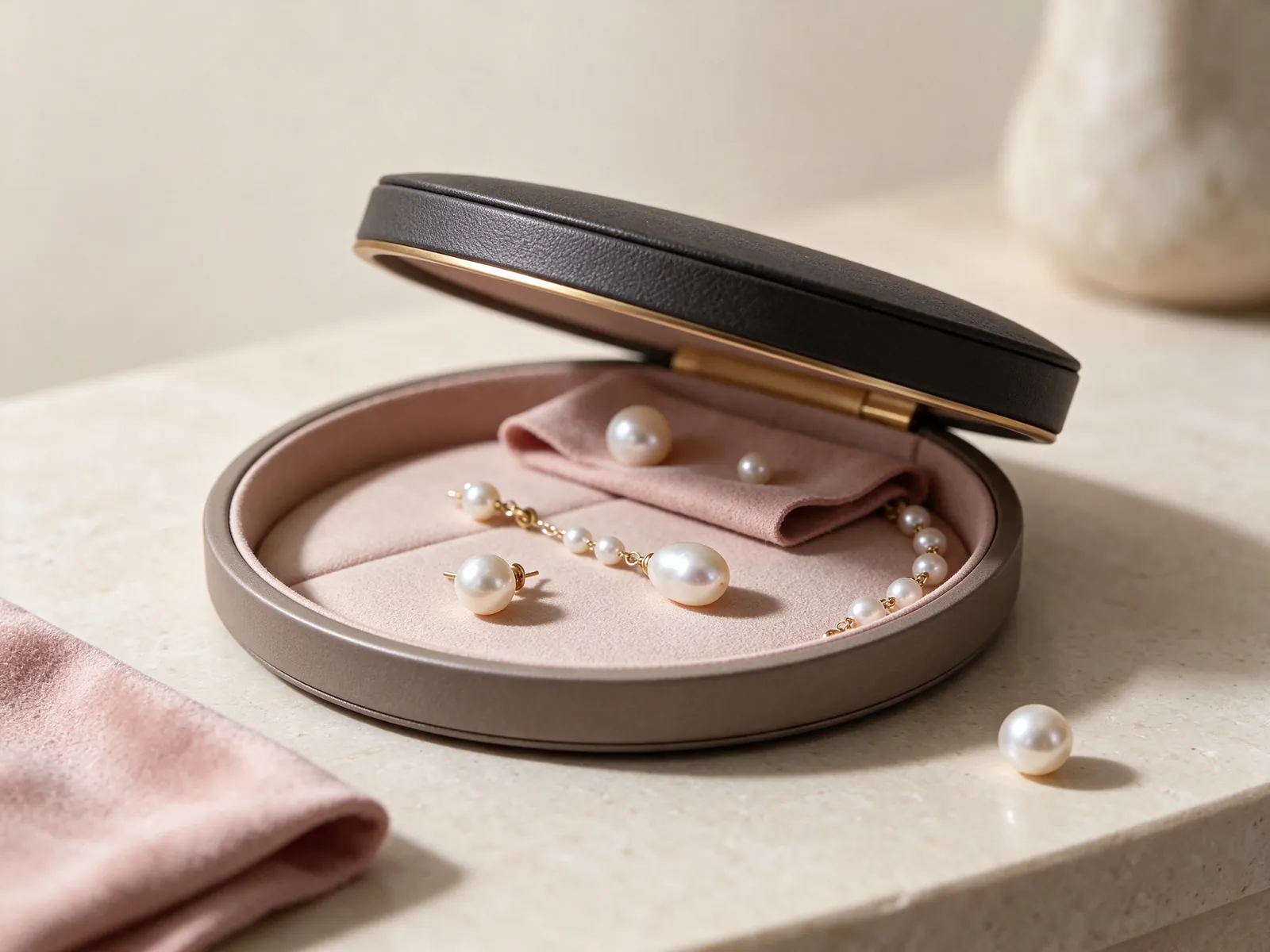
Plan office and evening styling around contact as well as colour
If your working day involves a keyboard or writing at a desk, notice the area of the wrist that regularly touches the surface. Wearing the bracelet as a single accent can make contact easier to observe than stacking many pieces together. A watch on the opposite wrist may reduce direct rubbing between its case or strap and the pearls. Colour coordination is not enough by itself: movement can bring pieces together even when they begin in separate positions.
For dinner or a gathering, the bracelet can echo the metal colour of your earrings without repeating their exact shape. A patterned or embellished sleeve may benefit from quieter wrist styling, while a plain outfit gives pearl lustre more visual space. Complete perfume and hair styling before putting pearls on. Remove the bracelet for cleaning, exercise or handling objects likely to knock against it; describing a piece as suitable for everyday styling does not make every everyday activity suitable for pearls.
What should you watch for if you want to layer bracelets?
Observe whether harder or projecting components slide into the pearls during ordinary movement. Leaving an initial gap is not a protective guarantee. If repeated contact occurs, reduce the layers or separate them between wrists rather than prioritising the stacked appearance.
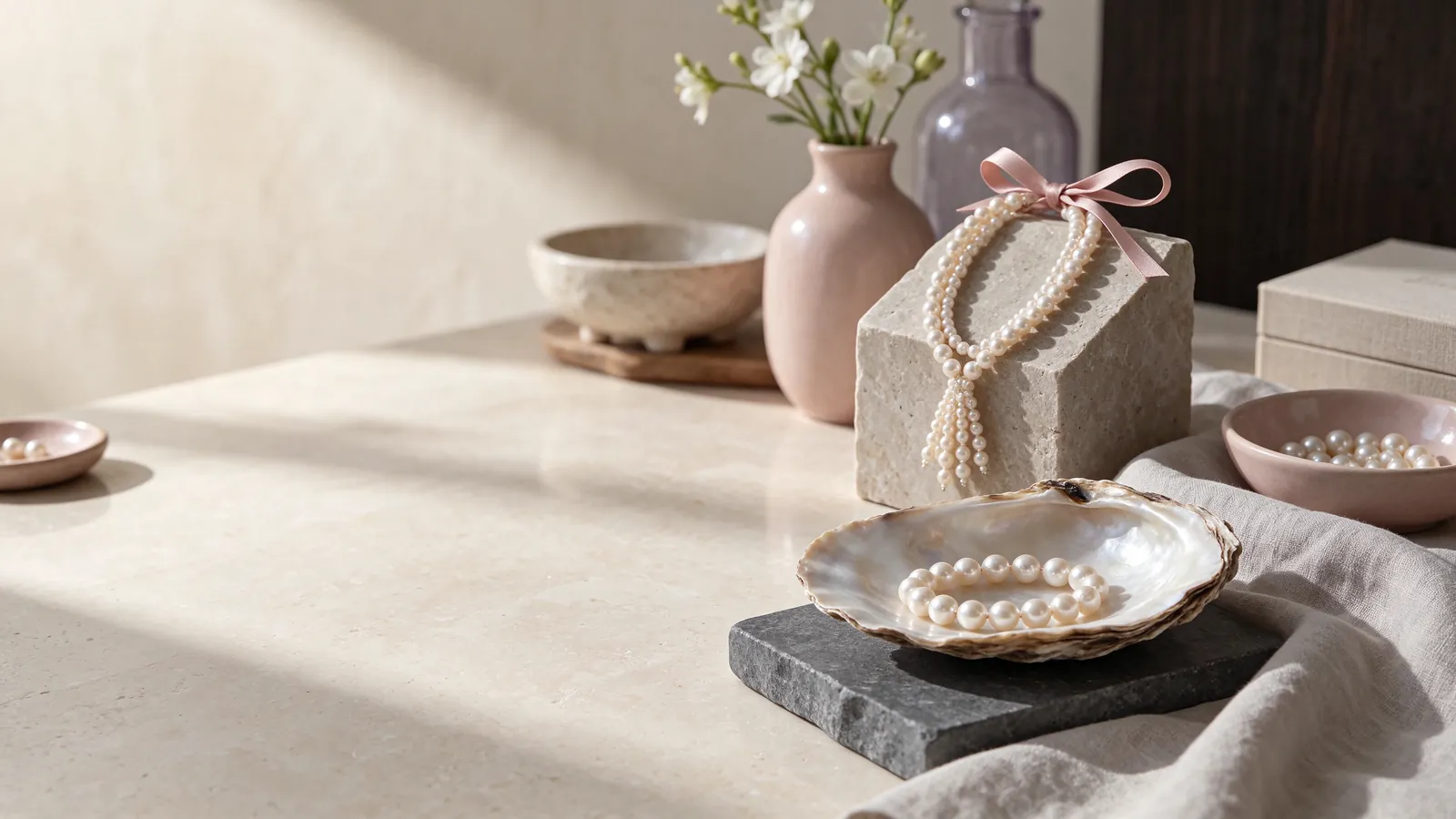
Include pearl care and practical preferences in your design brief
Care for the bracelet with the pearls in mind, not just the metal. GIA lists pearl at 2.5 on the Mohs hardness scale, a useful reminder to consider rubbing against harder objects rather than a way to predict a lifespan. Pearls should never enter ultrasonic or steam cleaners. After wearing, use a very soft, clean cloth and store them away from pieces that could scratch them. Avoid acids, perfume, hair spray and excessive heat.
If pearls are strung and cleaning introduces water, the string must be completely dry before wearing again; this does not make immersion an appropriate wearing habit. Check visible connections and the clasp before use instead of overlooking looseness. For a discussion with Flint Jewellery, bring your wrist measurement, usual wearing side, preferred colour and description of pearl placement. Mention the sleeves and activities that matter most. These details make customisation preferences clearer than asking for a bracelet based only on a photograph.
What belongs at the top of a useful personal brief?
Prioritise the needs you would least like to compromise, such as an easy-to-operate closure or movement kept away from the palm. Then describe visual preferences. For a gift, learn the recipient's wrist measurement and wearing habits rather than estimating fit from age or appearance.
To discuss your preferred bracelet colour and fit, contact Flint Jewellery on WhatsApp at +85260106207. Start with your wrist measurement, usual sleeves and the room for movement you enjoy.
| Decision | Direction to consider | What to observe | Daily context | Assumption to avoid |
|---|---|---|---|---|
| Metal colour | 18K 750 yellow, white or rose gold colour direction | Existing rings and clothing colours | Creating a visual connection | A fixed skin-tone rule |
| Fit | A close outline or more movement | Wearing position and wrist motion | Writing and shirt cuffs | Wrist circumference equals finished length |
| Pearl placement | Continuous, spaced or concentrated detail | Balance of pearls and visible metal | Exposed wrists and long sleeves | A photograph reveals inner contact |
| Clasp | Practical operation and a considered position | Engagement, pressure and catching | Putting it on with one hand | A clasp name guarantees retention |
| Care | Soft-cloth wiping and separate storage | Contact with harder jewellery | Watches and dressing routines | Metal cleaning methods suit pearls |
Pearl knowledge and authoritative references
GIA lists pearl at 2.5 on the Mohs hardness scale and advises against ultrasonic and steam cleaning. An 18k metal setting does not remove the need to care for the pearls appropriately.
Read the reference for this factFrequently asked questions
Is an 18k white gold pearl bracelet the same as a platinum one?
No. White gold and platinum are different metal descriptions, even when their appearance is similarly silvery. Establish the material name first, then consider how its colour relates to the jewellery you wear.
Can I use my wrist measurement as the finished bracelet length?
Not on its own. Pearl arrangement, connections, the clasp and your preferred movement affect wearing space. Record the measurement at the intended position, then consider the structure and fit preference together rather than using a universal addition.
Will yellow gold look out of place beside my white-coloured rings?
It need not. Use a regular ring or earring as a visual bridge and look at the outfit as a whole. Simplifying other details can make a mixed-colour arrangement feel deliberate without requiring every piece to match.
Does the 18k description identify the pearls or their grade?
No. The metal description is separate from pearl identity and quality. Read the pearl information independently; appearance in a photograph does not establish species, origin, grade or natural-versus-cultured identity.
Which wrist is better if I also wear a watch?
Start by observing whether the watch case or strap rubs against the pearls. Using opposite wrists may reduce direct contact, but desk surfaces, cuffs and other jewellery still need consideration. The best arrangement depends on your actual movement, not colour coordination alone.
Updated: