
How do proportion and wrist fit guide your choice of a heart pearl bracelet, whether a pearl bracelet with heart motif or a heart charm pearl bracelet?
Begin with the outline of the whole bracelet rather than an enlarged photograph of the heart. A central motif draws attention to one point; a heart placed between pearls becomes part of a repeating line; a detail beside the clasp may appear only as the wrist turns. Decide whether you want the pearls or the symbol to be noticed first. The wider pearl bracelet guide can help you compare these structures without treating a heart as a separate decoration that will work equally well on every arrangement.
Proportion is about the relationship between the heart, the pearl line and your exposed wrist, not an ideal motif size. A small outline may be clear against a plain sleeve but disappear beside busy fabric. A broader heart may make a stronger statement yet sit awkwardly under a close cuff. Look at the bracelet with clothing you actually wear. A pearl bracelet with heart motif can feel understated or playful, while a heart charm pearl bracelet adds movement; neither description alone tells you how it will sit on your wrist.
When trying on a heart pearl bracelet, what should you notice about motif position in a pearl bracelet with heart motif or charm movement in a heart charm pearl bracelet?
Let your arm hang naturally, turn your palm upwards and bend your wrist as if lifting a bag. Watch whether the heart moves underneath, whether its point presses against skin and whether a hanging detail meets the clasp. Fit should allow natural movement without repeatedly shifting the motif somewhere you do not want it. A single standard allowance cannot replace these checks because wrist shape and bracelet construction both matter.
Choose between a fixed heart and a moving charm
A fixed heart forms part of the bracelet’s line, whereas a suspended heart moves from a connecting point. A fixed outline may look more continuous, but its curve and thickness still affect how it rests. A hanging heart can bring a lively accent to a simple outfit, with more movement to assess around sleeves and work surfaces. Compare the pearl charm bracelet topic if that movement appeals to you: the useful question is whether each moving part has room, not how many charms can be added.
For frequent typing or paperwork, notice where the heart falls when your wrist approaches the desk. With a loose short sleeve it may remain visible, while a fitted knitted cuff can catch or cover the detail. An asymmetric arrangement introduces another consideration: the pearl section and chain section may carry different visual weight. Looking at a half chain pearl bracelet helps explain why the same heart position can look balanced on one structure and pull the eye to one side on another.
Inspect the reverse and the connecting points
Do not judge only the front. Look at the surface that touches your skin, the freedom of the connecting ring and any point that could catch fabric. Check whether movement brings a metal edge repeatedly against a pearl. These are practical viewing questions, not details that a single face-on image can reliably answer.
Use spacing and outline to control the mood
A heart need not make the entire outfit strongly romantic. A clear motif with restrained clothing can feel graphic rather than ornate. Closely arranged pearls make the heart a punctuation mark in a continuous line; visible chain between pearls gives it more independent space. The pearl station bracelet topic is useful for understanding that spacing. Compare how much breathing room surrounds the motif before deciding that a larger or smaller heart is the answer.
An open outline lets skin and fabric remain visible through the heart, while a solid face presents a more concentrated reflective surface. That visual difference does not establish the piece’s weight or comfort. If you are drawn to softer decorative lines, compare a flower pearl bracelet: petals create a different rhythm from the notch and point of a heart. These are choices of visual language rather than rules about age, so judge them against your own sleeves, rings and usual neckline.
Compare at normal viewing distance
View the full wrist first and then move closer for detail. A close-up can exaggerate the motif’s presence. A side view shows whether the heart sits noticeably above the pearl line, while a change in room lighting helps separate your preference for the outline from the reflection in one photograph.
Assess wrist measurement, adjustment and fastening together
Measure where you normally wear a bracelet, keeping a soft tape against the skin without tightening it. Record the position as well as the measurement. Overall bracelet length is not the same as its internal wearing space: pearl volume, connecting sections and the clasp all influence the fit. Use the pearl bracelet size guide to put the measurement in context, particularly if you want the heart to stay on the upper side of the wrist rather than rotate freely.
Adjustment allows different wearing positions, but not every position will feel equally good. A tighter setting may reduce turning while bringing the heart into contact with skin during a wrist bend. A looser setting adds movement and may move the motif underneath. When comparing an adjustable pearl bracelet, also watch where the unused tail falls and whether it meets the heart. For a gift, knowing how the recipient wears existing bracelets is more informative than assuming adjustment solves every uncertainty.
Try the clasp with your other hand
Fasten and release the bracelet yourself if possible. Notice whether the opening is easy to identify, whether the motif obstructs your fingers and where the clasp sits afterwards. If assistance is part of your normal routine, allow for that too; everyday handling deserves as much attention as the heart’s appearance.
Style the heart around sleeves, watches and rings
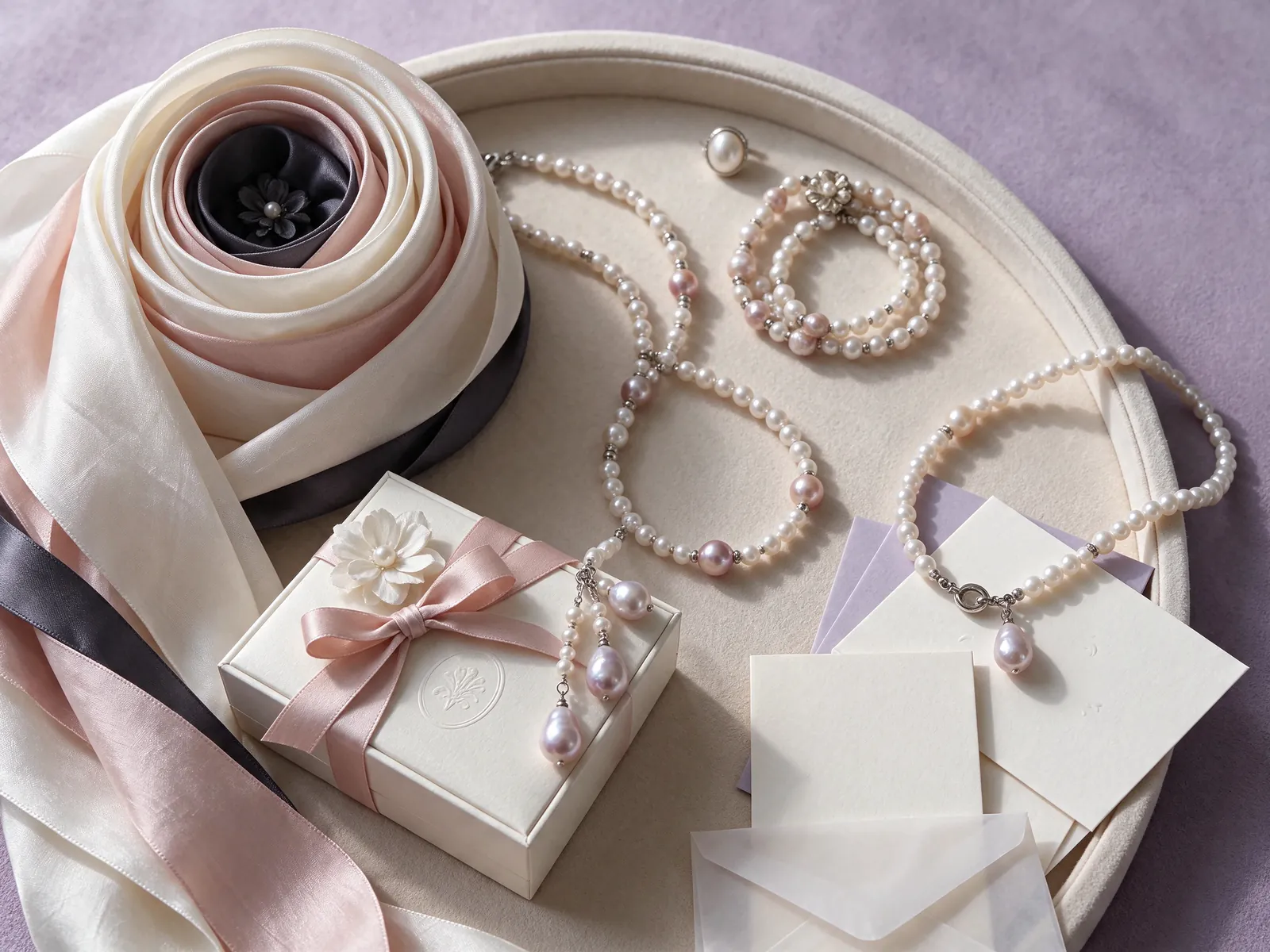
For office dressing, a plain shirt or simple knit gives the heart a clear setting without competing details. For an evening outfit with patterned or textured sleeves, the bracelet can act as a quieter accent instead. Consider the ring on the same hand: a prominent ring face and a heart can both ask for attention. With a watch, colour coordination is only part of the decision; the case and strap must also be considered for contact with the pearls.
Start by wearing the bracelet alone, then observe the paths of any additional pieces as your wrist moves. A dangling heart and a rigid bangle may meet even when they look separate in a photograph. A multi strand pearl bracelet achieves layered rhythm through its own arrangement and connections; stacking unrelated bracelets does not automatically produce the same effect. If contact is difficult to avoid, wearing pieces on different wrists can preserve their individual outlines and reduce rubbing.
Compare metal colour against your wardrobe
Consider 18K 750 white gold, 18K 750 yellow gold, 18K 750 rose gold, PT950 platinum and PT900 platinum as distinct material choices when considering how a metal detail fits your style. Compare colour against familiar clothing and existing rings in ordinary light. Material choice, motif construction and pearl appearance remain separate questions.
Make a heart gift personal without guessing the wearer’s taste
A heart can express affection for a partner, a relative, a friend or yourself. Its usefulness as a gift depends on whether the recipient enjoys wearing the motif. Notice whether their existing jewellery uses geometric lines, soft curves or decorative symbols, and whether they prefer fixed details or moving charms. Someone who wears discreet pieces may appreciate a quiet outline more than a large romantic statement; someone who enjoys playful accessories may care more about placement and movement.
Explain your choice in terms of the recipient rather than assigning the symbol a compulsory meaning. You might connect it with their preference for a particular line or with an occasion you share. If wrist fit is unknown, consider whether measuring or trying on together would be welcome. Known discomfort with jewellery also deserves respect; symbolism is not a substitute for wearing comfort. The most thoughtful starting point is a short description of the person’s habits, not an imagined universal gift formula.
Prepare practical details for a style conversation
Note typical sleeve shapes, whether the recipient wears a watch and how visible they like a motif to be. These details help focus a conversation with Flint Jewellery on proportion and wrist-fit considerations. They are more useful than settling on a tightness the recipient has never tried.
Keep pearl assessment and care separate from the heart symbol
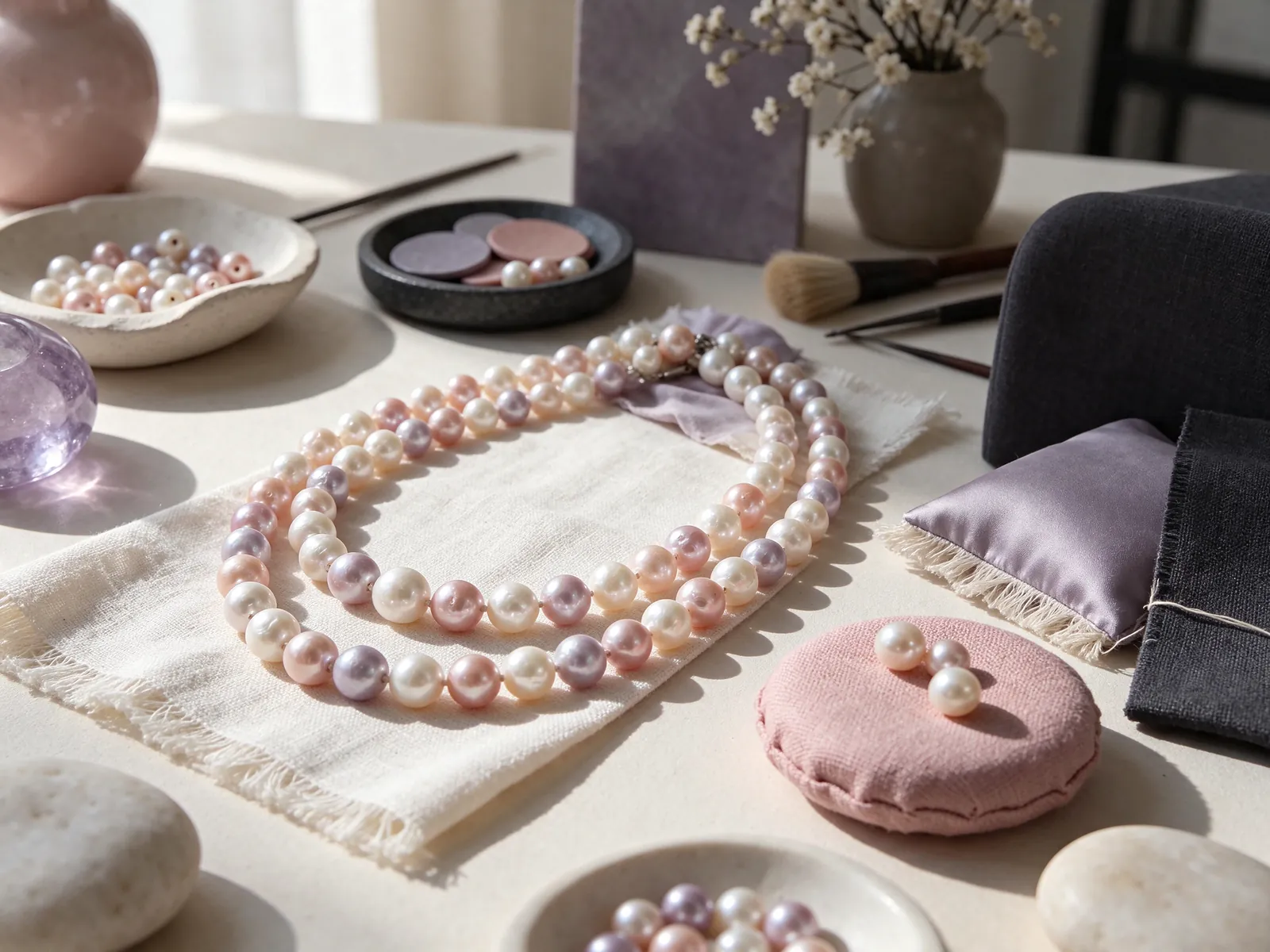
GIA describes seven pearl value factors: size, shape, colour, lustre, surface quality, nacre quality and matching for pieces with multiple pearls. On a heart design, look at how adjacent pearls work together and whether reflections from the motif distract from their lustre. An irregular outline may be an intentional part of the arrangement, but it should still suit your taste. Neither the heart nor a pearl’s visible shape or colour establishes origin, natural-versus-cultured identity or certification.
GIA lists pearl at 2.5 on the Mohs hardness scale and advises against ultrasonic and steam cleaning. A wrist piece often meets desks, sleeves and other accessories, so pay attention to the back of the heart and its connections during care. Wipe after wearing with a very soft, clean cloth, and avoid acids, perfume, hair spray and excessive heat. If a strung bracelet has been cleaned with water, its string must be completely dry before wearing again; a dry-looking metal detail does not establish that the whole piece is ready.
Store the motif without pressing it into the pearls
Arrange the charm and tail gently before putting the bracelet away, separating it from hard-edged jewellery. If parts become tangled, inspect them before unfolding rather than pulling. An unstable connection or a strained pearl line should not be forced back by hand. Ease of care is part of the buying decision, alongside the look on the wrist.
To explore a heart detail that suits your everyday style, contact Flint Jewellery on WhatsApp or call +85260106207 to discuss motif placement, sleeves and wrist-fit considerations.
| Design detail | Visual effect | Try-on check | Useful comparison |
|---|---|---|---|
| Central fixed heart | Concentrated focal point | Position after turning the palm | Full wrist beside a plain cuff |
| Suspended heart | Visible movement | Contact with desk, clasp or accessories | Typing and lifting a bag |
| Heart beside the clasp | Detail revealed by rotation | Access to the fastening | One-handed fastening and release |
| Heart between pearls | Motif within a continuous rhythm | Repeated metal-to-pearl contact | Front and side views |
| Heart with generous spacing | More independent outline | Visual weight towards one side | Normal viewing distance |
Pearl knowledge and authoritative references
GIA lists pearl at 2.5 on the Mohs hardness scale, making contact between the pearl surface, the heart detail and other wrist accessories an important care consideration.
Read the reference for this factFrequently asked questions
Does a heart pearl bracelet have to be a romantic gift?
No. It can mark friendship, family affection or a personal occasion. The recipient’s enjoyment of heart motifs and their wearing habits matter more than a prescribed meaning.
Why does the heart turn underneath my wrist?
Construction, clasp position, motif placement and fit can all influence rotation. Check with your arm relaxed and your wrist moving. Tightening alone may not give both the position and comfort you want.
Can I wear the heart directly beside a watch?
Observe whether the case, strap or moving heart touches the pearls. If hard edges repeatedly meet the pearl surface, separating the pieces is a more practical choice than relying on colour coordination alone.
Is adjustment enough when I do not know someone’s wrist size?
It offers different positions, but the tail, clasp and heart still need to work comfortably together. Existing wearing preferences or a shared try-on provide a better basis than adjustment alone.
Can the heart section be cleaned ultrasonically if pearls are attached?
No. GIA advises that pearls should never be cleaned in ultrasonic or steam cleaners. Use gentle routine care and avoid rubbing metal edges against the pearls; any wet string must dry completely before wearing.
Updated: