
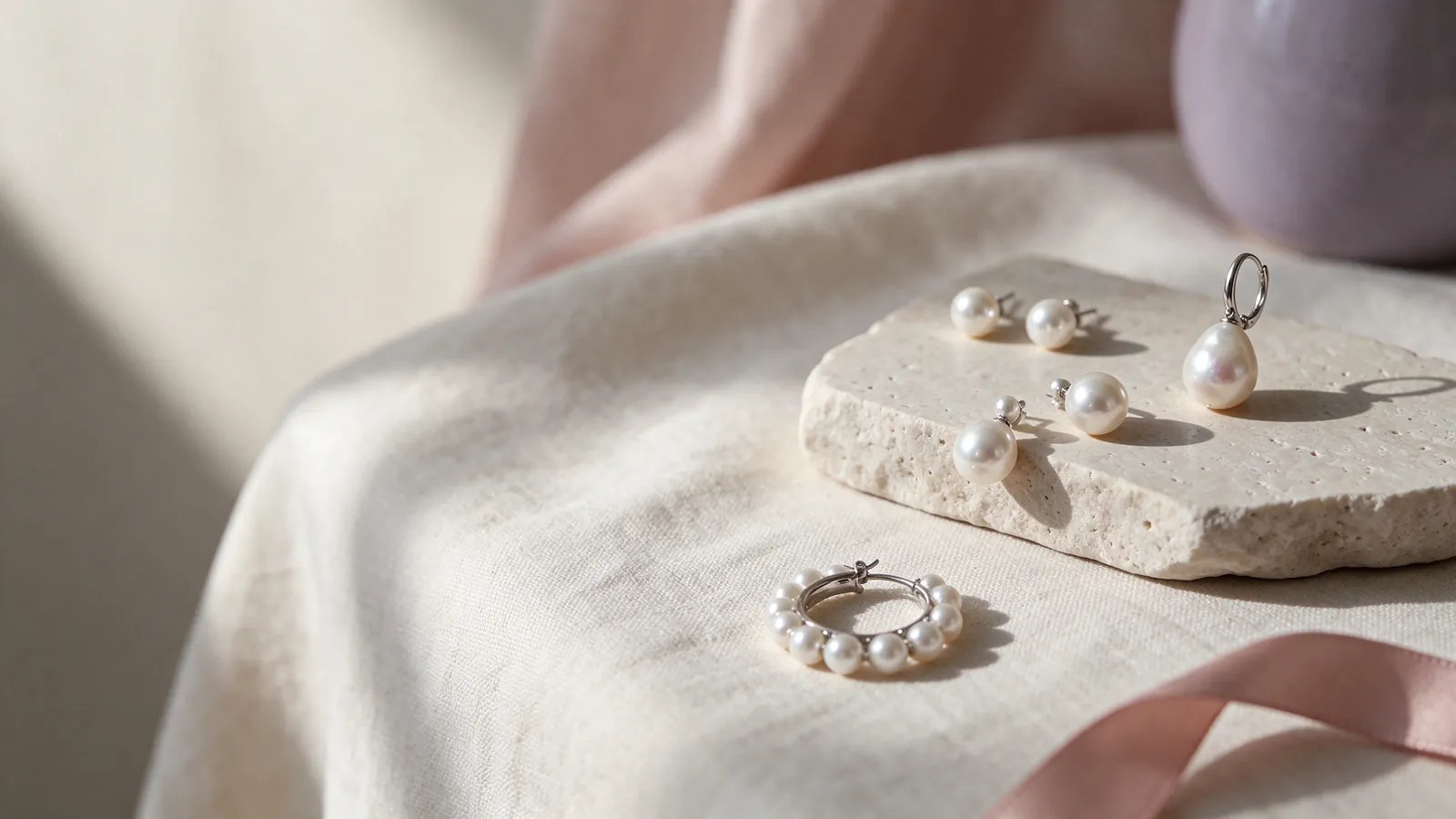
Balancing Design and Fit in statement pearl earrings: What Matters When Comparing 12mm pearl earrings and large pearl stud earrings?
A large pearl creates a concentrated focal point close to the face, but the complete earring determines how that focal point sits. Consider the pearl, setting, post and back together. A pleasing front view can conceal a forward tilt at the side, while a neat setting can still feel different on each ear because piercing position and earlobe thickness vary.
When asking about weight, establish whether the figure describes one earring or the pair, and whether the backs are included. Pearl weight alone is not the weight you will wear. The discussion of earlobe support backs for pearl earrings can help frame useful questions about contact area and fastening, without assuming that a wider back automatically provides comfortable support.
For 12mm pearl earrings and large pearl stud earrings, How Do Earring Backs and Total Weight Affect the Fit of statement pearl earrings?
Fasten the back normally rather than tightening it to force the pearl upright. Look straight ahead and from the side, then gently turn your head and look down. Notice movement, pressure and pulling separately. If releasing pressure makes the earring unstable, that is a fit issue to consider before choosing, not something to dismiss as inevitable with a large pearl. Stop wearing if you experience pain or persistent discomfort.
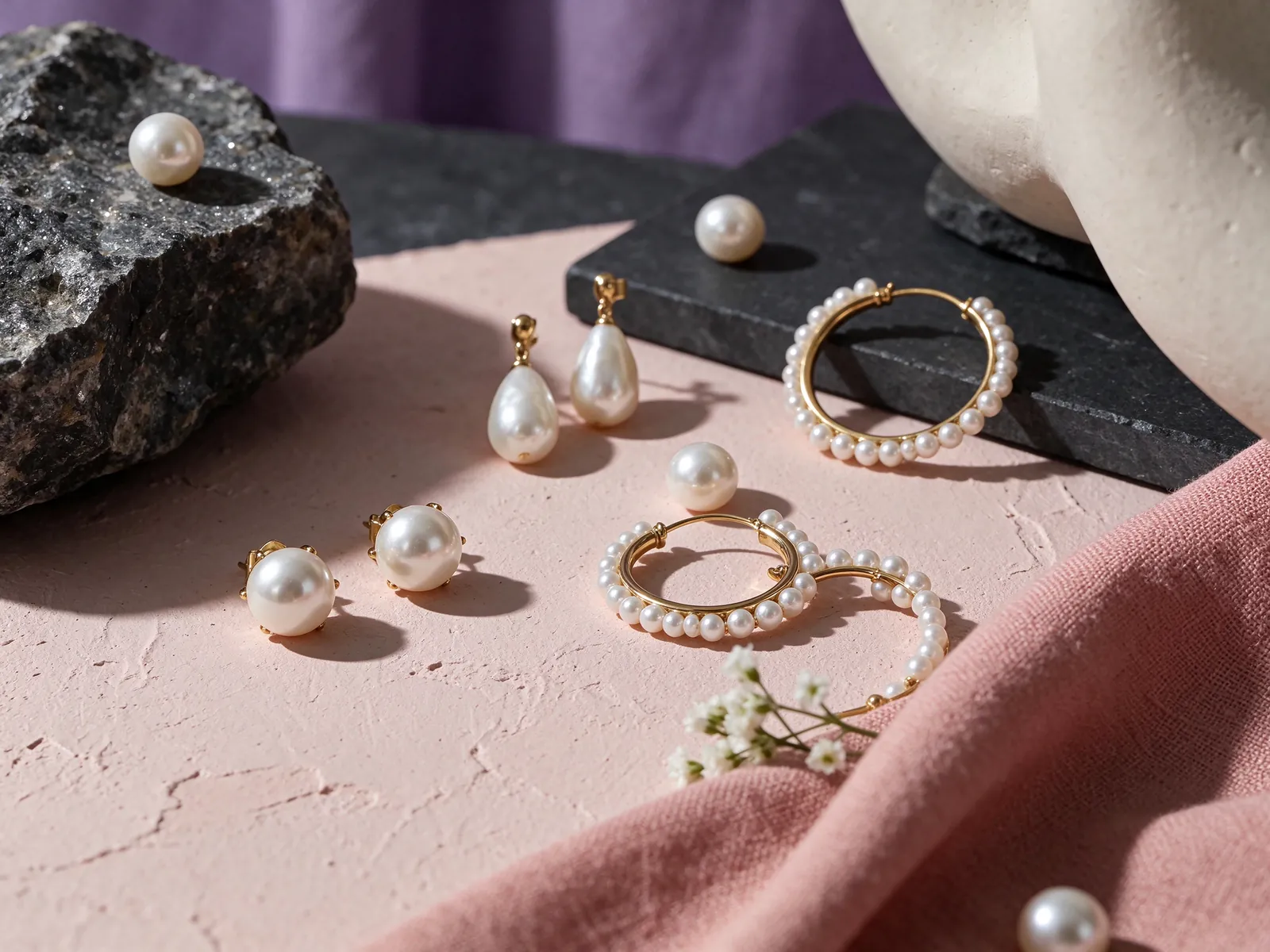
Read Diameter Separately from the Finished Outline
A 12mm description concerns size; it does not necessarily describe the widest outline of the completed earring. A visible rim or surrounding setting changes that outline. An irregular pearl may also need more than one measurement to convey its shape. When comparing pearl stud earrings, distinguish the pearl measurements from the finished setting, then ask how the particular outline is described.
Close-up photographs are useful for detail but unreliable as a substitute for ear proportions. Camera distance, hairstyle and angle can make the same visual style appear more restrained or more prominent. A pearl earring size guide helps organise the comparison; your own piercing placement and preferred amount of earlobe coverage remain more useful than a model photograph alone.
What Can a Flat Size Preview Tell You?
A paper circle drawn to the stated diameter can be held near the earlobe in front of a mirror to preview coverage. Keep it outside the piercing. It shows only a flat footprint, not the pearl's depth, the setting or wearing weight. Compare hair tied back and worn loose to see whether you like the outline itself or its effect within one particular hairstyle.
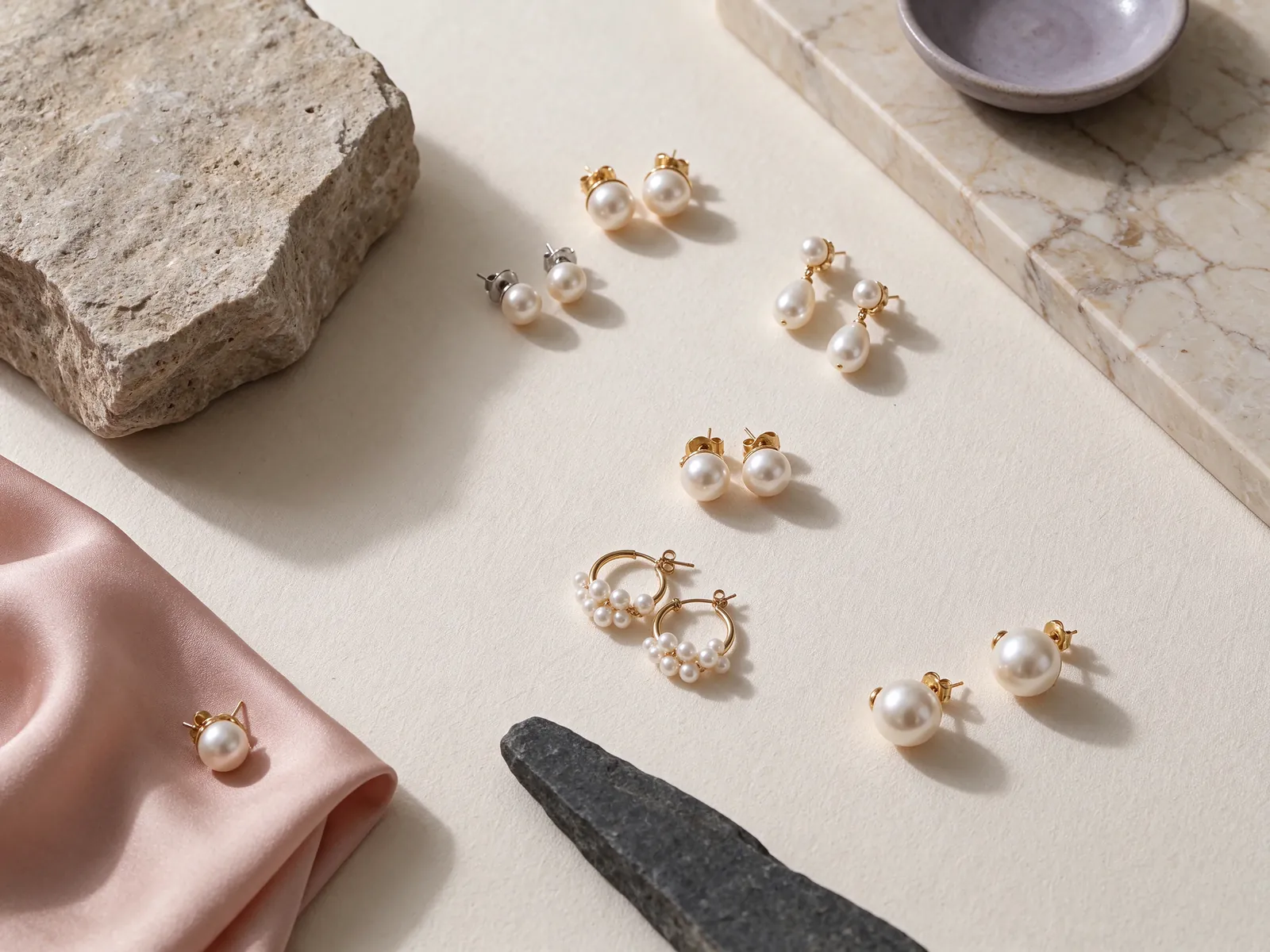
Judge Earlobe Placement Before Following Face-Shape Rules
Broad face-shape labels cannot tell you exactly where a stud will sit. The distance between the piercing and the lower edge of the lobe, the space beside the cheek and differences between your two ears are more directly relevant. Substantial earlobe coverage can look deliberate and clean, but whether you enjoy that effect is a preference rather than a universal sizing rule.
If your earlobes are small, use pearl earring size for small earlobes to consider coverage and placement without automatically ruling out large studs. Check both ears together. The aim is a balanced appearance, not an assumption that your ears must be perfectly symmetrical. A pearl that sits attractively on one side may face slightly differently on the other.
Include Glasses and Facial Movement in the Side View
Smile and speak normally while checking whether the pearl approaches the cheek. If you usually wear glasses, include them in the try-on rather than judging the earrings in an unusually clear space. Notice any crowding near the back of the ear. The preferred amount of projection is personal, but everyday contact points should be part of the decision.
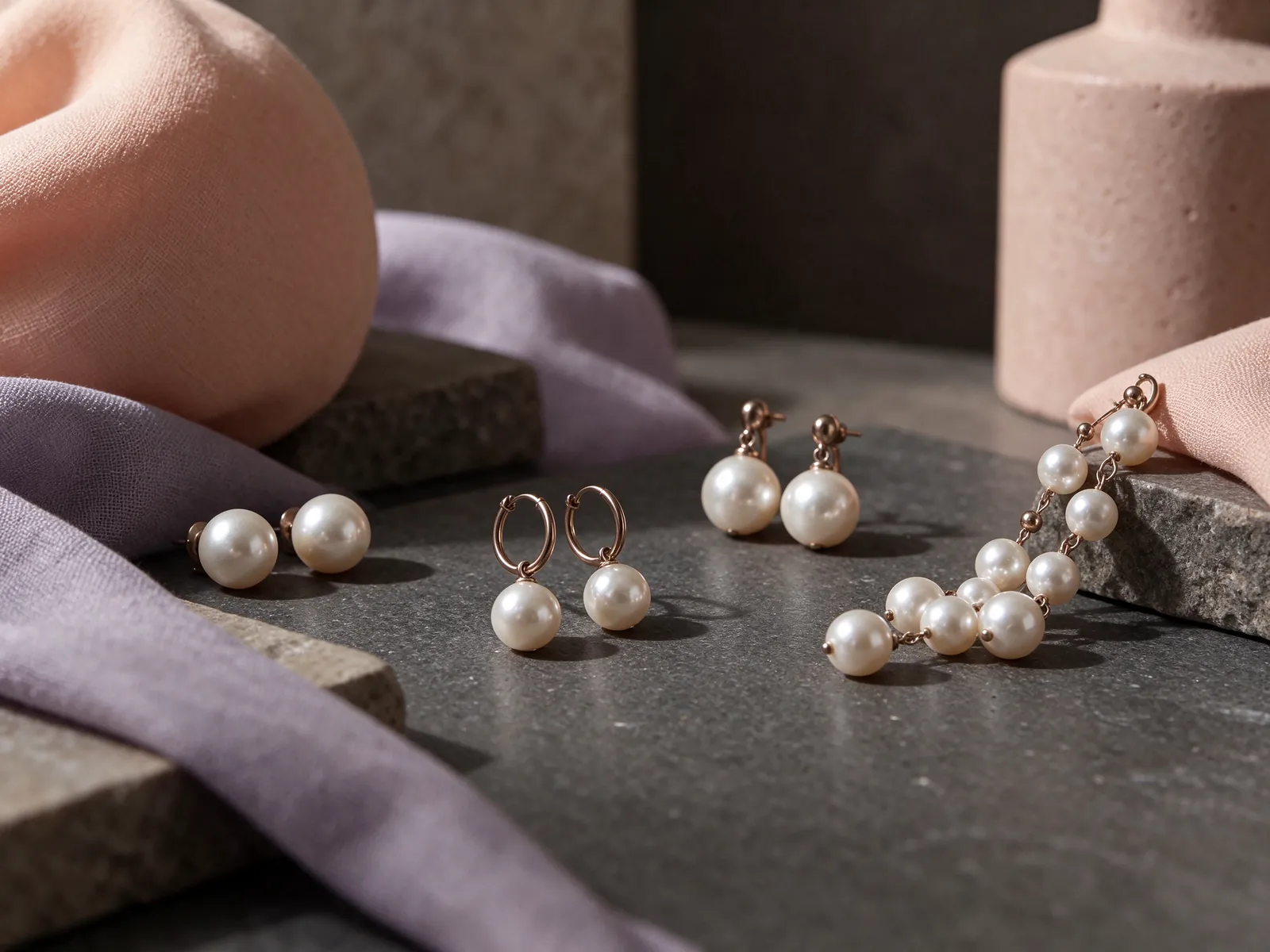
Let the Setting Support the Pearl's Visual Role
Large pearl stud earrings already have a substantial outline, so a quiet setting can let shape, colour and lustre lead. A prominent border creates a different design, adding its own edge to the pearl. Compare how much metal is visible from the front and how far the setting projects at the side, rather than treating every simple-looking photograph as the same construction.
A drop design offers another route to a statement look by adding a vertical line and movement. The comparison of pearl studs vs drops vs dangles is useful when you are deciding between concentrated volume and length. A longer earring is not necessarily lighter: connectors and settings contribute to its weight, and movement can introduce contact with collars.
Compare Visible Metal, Not Only Its Name
White, yellow and rose-coloured metal can each create a different contrast around a pearl. Try to compare under similar light and against a similar background. Decide whether you want the metal edge to be noticeable or visually quiet. The visible area and setting height often explain the design impression more clearly than a material name alone.
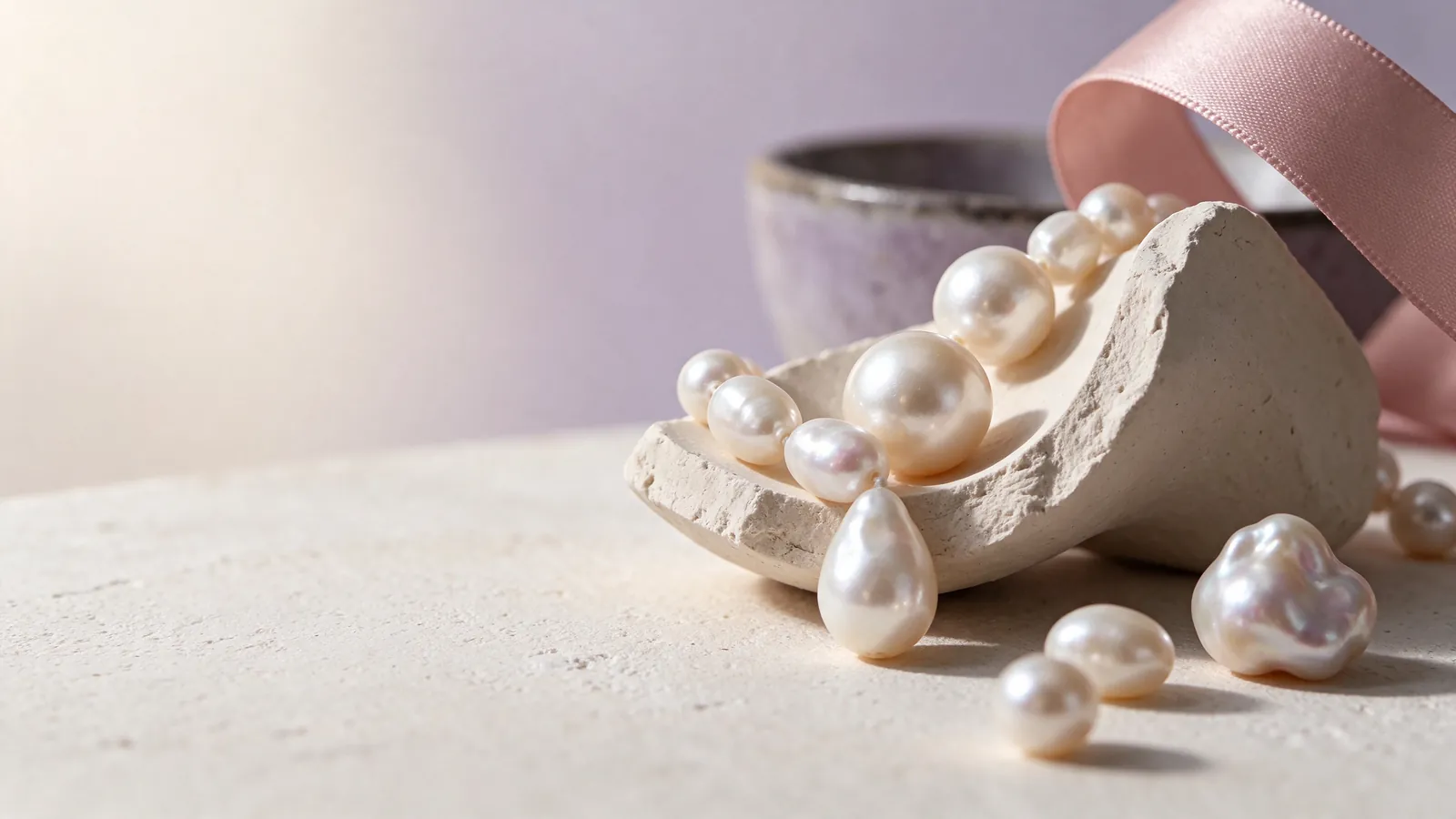
Build an Outfit with Space Around the Earrings
For work, a plain top, uncomplicated neckline or swept-back hair can give large pearls a clear background. Consider phone use, headphones and regular head movement as well as appearance. The approach to everyday pearl earrings helps connect styling with routine: statement pearl earrings need not be reserved for evenings, but they should suit what you actually do while wearing them.
For dinner or an event, resist the assumption that every accessory must become larger together. If your clothes already have embroidery, a reflective surface or a strong shoulder line, the earrings can be the main detail near the face. Loose hair may reveal them intermittently; an exposed ear emphasises the whole outline. Choose the effect you want before adding a necklace or hair accessory.
Leave Breathing Room Between Multiple Ear Accessories
If you have additional piercings, check the actual space between pieces rather than assuming a small stud will fit beside the large pearl. The options discussed in pearl studs for a second piercing offer a different scale, but piercing distance still matters. Leaving another piercing empty can be a deliberate styling choice that makes the principal earring clearer and avoids unnecessary visual crowding.
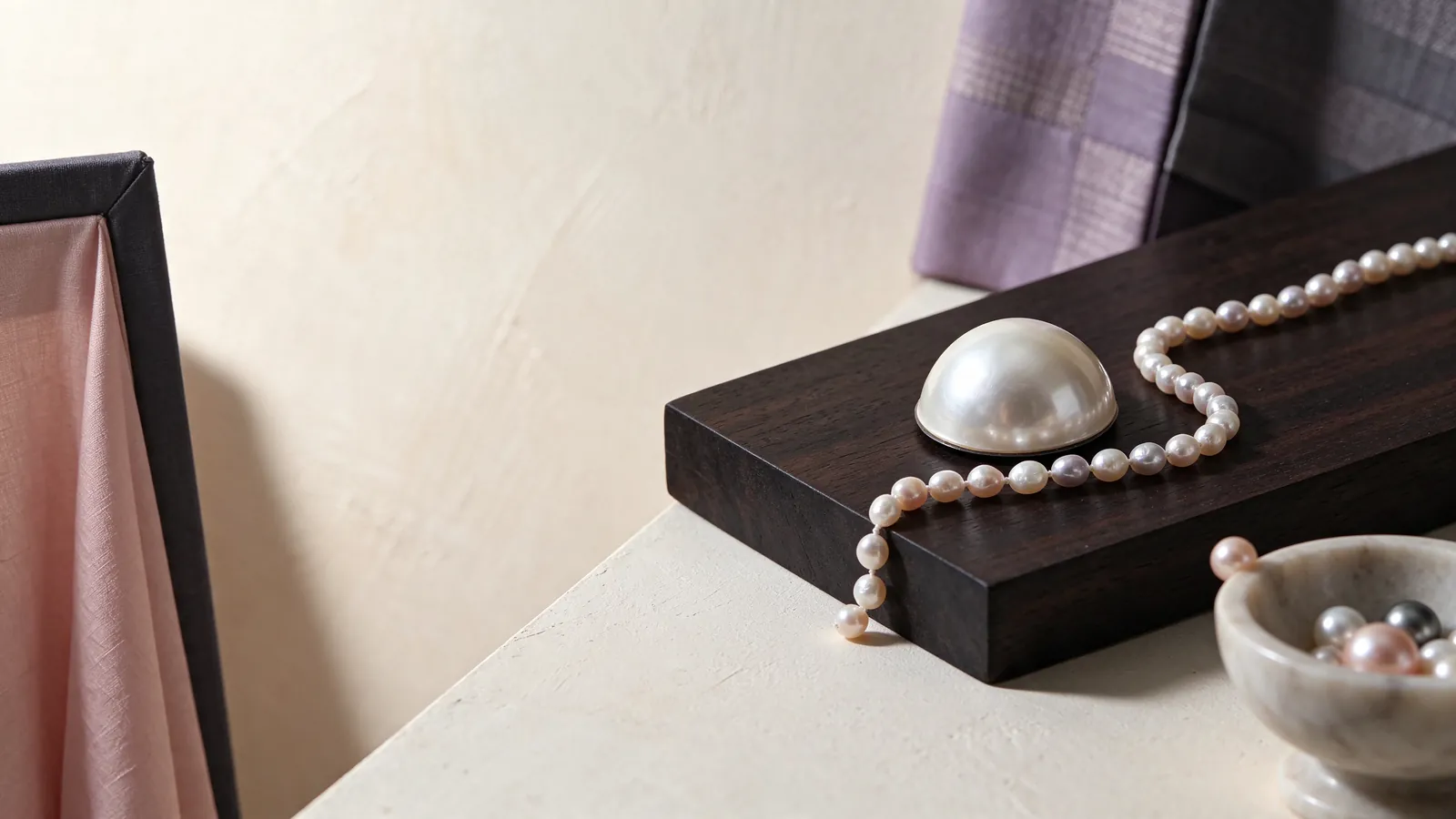
Look Beyond Size to Lustre, Surface and Matching
GIA describes seven pearl quality factors: size, shape, colour, lustre, surface quality, nacre quality and matching. That framework prevents diameter from becoming a substitute for the whole assessment. For a pair of earrings, compare reflections, visible surface features and the relationship between the two pearls under the same light, not simply whether both descriptions use the same size label.
Photographic highlights can be strongly influenced by lighting. View the pair together where possible, including different sides of each pearl, rather than comparing isolated images taken under different conditions. Size and colour do not by themselves establish species, origin or natural-versus-cultured identity. If these details matter to your choice, read the description or relevant documentation for the individual earrings.
Can a Smaller Pearl Still Create a Statement?
Yes. Clear reflections, contrast with clothing and space around the ear can all contribute to presence. If a large pearl feels too concentrated, compare small pearl stud earrings as a genuinely different styling direction. A smaller outline may deliver the clarity you want while fitting your routine more naturally; it need not be treated as a compromise or a lower-quality choice.
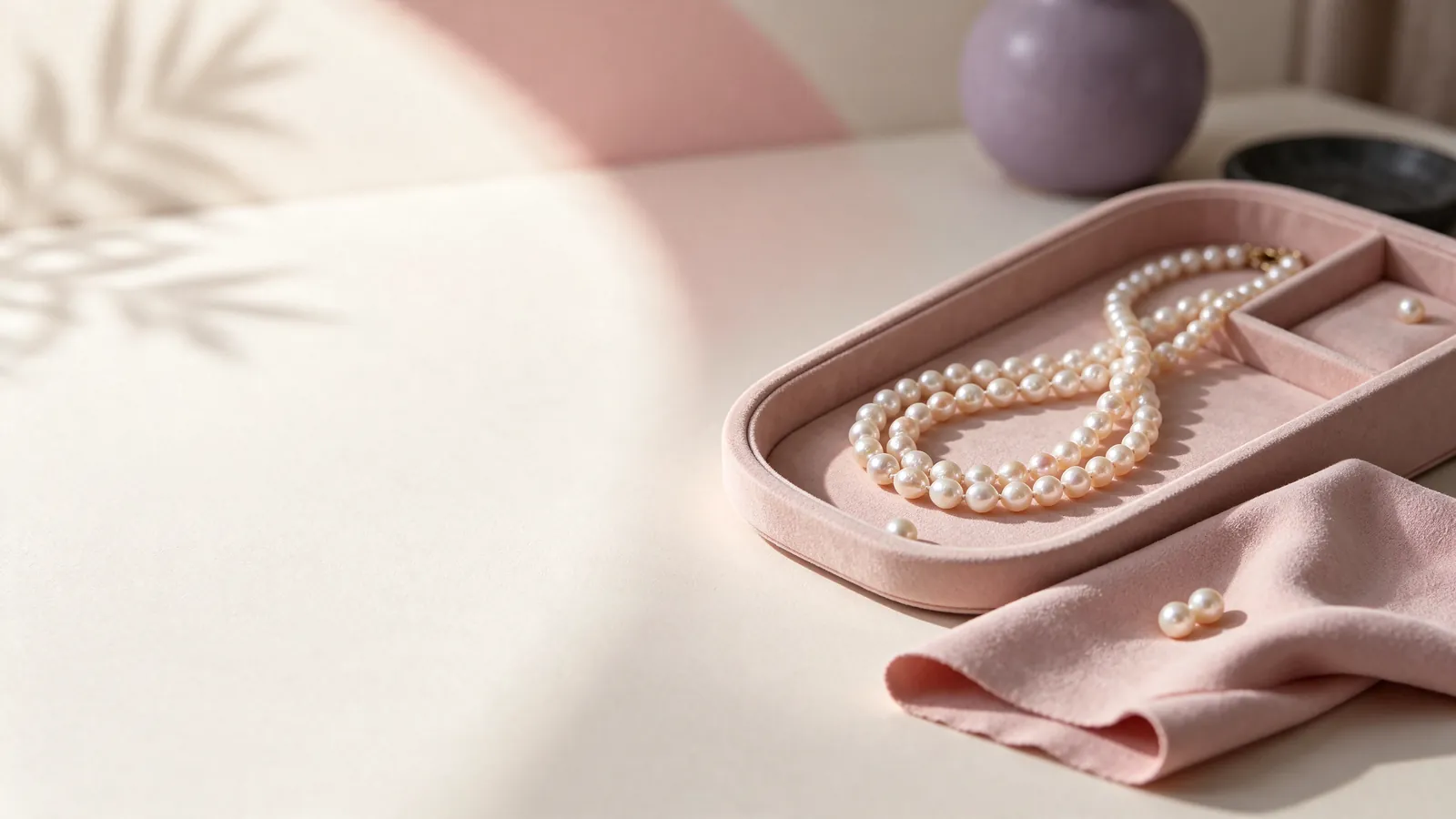
Make the Final Choice with a Try-On Record and Care Routine
Record specific observations rather than only noting that a pair looks impressive. Separate front-view appearance, side-view projection, movement and comfort. Try both earrings because piercing angles can differ. Bring your intended hairstyle or a typical collar into the comparison, and include glasses if you wear them. These small practical details help explain why one design feels more appropriate than another.
Care should protect the pearl surface rather than become more aggressive because the pearl is large. GIA advises against ultrasonic and steam cleaning for pearls. After wearing, use a very soft clean cloth, and avoid direct exposure to perfume or hair spray. Store the earrings apart from jewellery that could scratch them, with their settings and backs kept orderly rather than rubbing together.
Ask Questions That Relate to Your Actual Routine
Useful questions concern the finished dimensions, the basis of the weight figure, how the back fastens and whether front and side views are available. Explain the neckline you intend to wear or your frequent use of glasses and a phone. If a try-on leaves an unresolved fit concern, you can pause the decision instead of letting the initial visual impact overrule it. To discuss earring size, backs and your own wearing routine, contact Flint Jewellery on WhatsApp at +85260106207.
| Comparison | What to establish | Front view | Side view or movement | Decision focus |
|---|---|---|---|---|
| Finished outline | Pearl diameter versus setting dimensions | Amount of earlobe coverage | Projection beyond the ear | Judge ear proportions, not close-ups alone |
| Total weight | Single earring or pair; backs included or excluded | Balanced positioning | Pulling or forward tilt | Consider feel alongside appearance |
| Back fastening | Contact area and fastening method | Pearl facing the intended direction | Avoid excessive tightening | A larger back is not a comfort guarantee |
| Outfit space | Hair, neckline and other ear accessories | A clear principal focal point | Contact with collars or daily accessories | Reduce competing elements near the ear |
| Pearl matching | Lustre, surface and coordination | Compare both pearls in the same light | Look at different sides | Do not assess quality by size alone |
Pearl knowledge and authoritative references
GIA identifies seven pearl quality factors: size, shape, colour, lustre, surface quality, nacre quality and matching. Diameter is therefore only one part of a useful comparison of large pearl earrings.
Read the reference for this factFrequently asked questions
Are 12mm pearl earrings necessarily heavier than smaller studs?
Diameter alone cannot establish the weight of a complete earring. The pearl, setting and back all contribute. Compare actual figures on the same basis, distinguishing one earring from a pair and checking whether the backs are included.
Can small earlobes suit large pearl stud earrings?
They can be considered, but check piercing position, coverage and direction on your own ears. A front view you like may feel different during movement. Do not use excessive back pressure to maintain an appearance that otherwise feels unstable.
Does a 12mm label identify the pearl species?
No. Size alone does not identify species, origin, natural-versus-cultured identity or certification. Read the individual description and relevant documentation if those details are important, rather than inferring them from a large appearance.
Can statement pearl earrings work with office clothes?
A plain neckline and space around the ear can make them a deliberate everyday focal point. Also consider contact with a phone, headphones or glasses. The practical choice depends on your routine and wearing experience, not an evening-only rule.
Will a wider back stop a large pearl stud tilting?
Not necessarily. Post position, piercing angle, total weight and setting construction also influence how it sits. A different back may be worth comparing, but it should not be treated as a guaranteed solution or tightened excessively.
Updated: