How can a single pearl stud earring balance a single pearl earring of a different length in mix-and-match pearl earrings?
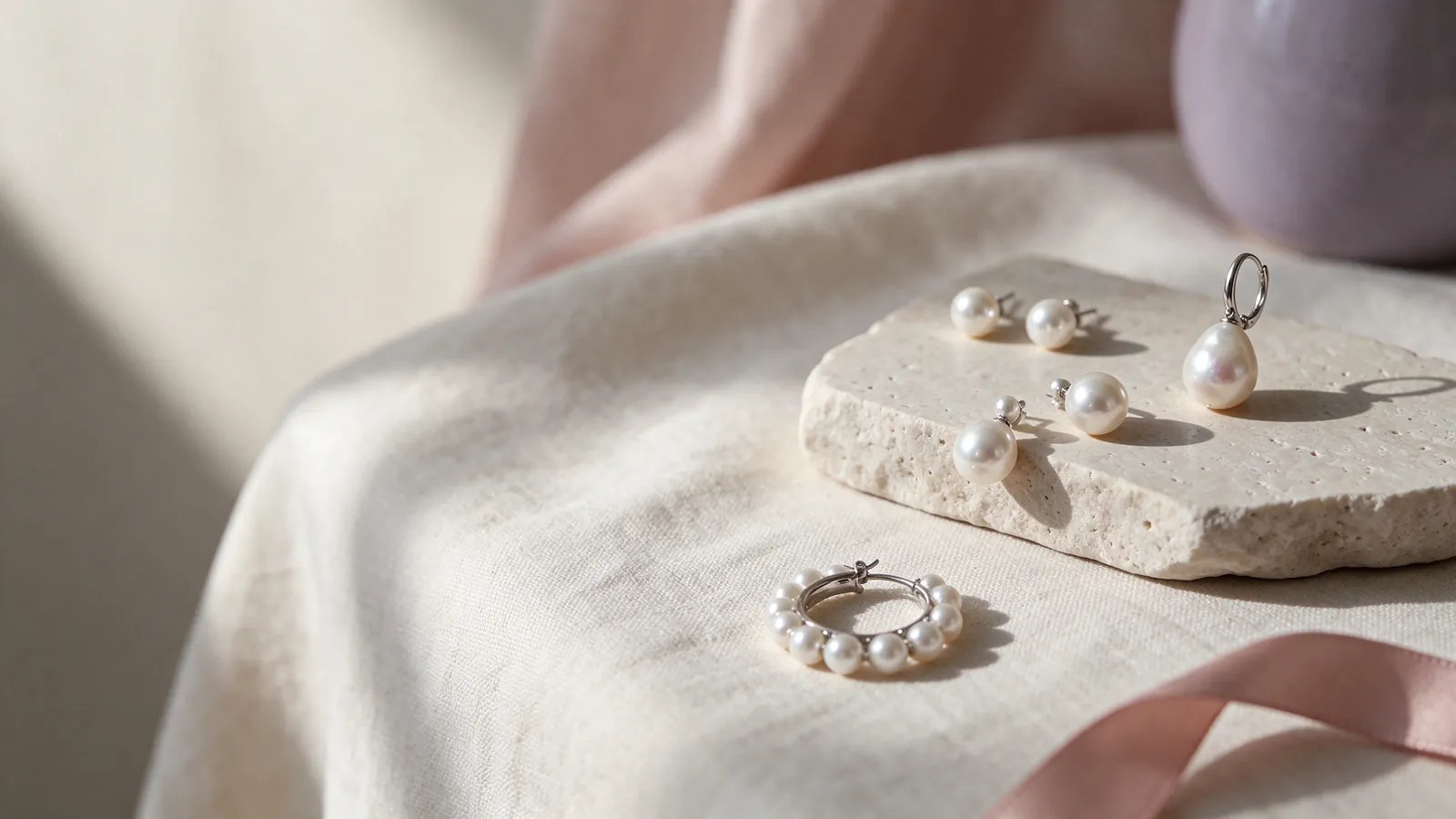
Balance begins with deciding where you want the eye to settle. A pearl close to one ear can sit beside a longer earring on the other without needing identical lengths. Look for a shared quality, such as a soft curve or a quiet point of white, then let the difference remain visible. If both sides have strong movement, bright reflections and elaborate outlines, remove one competing feature before adding anything else. The wider discussion of pearl earrings Hong Kong can help you compare silhouettes rather than judge each piece only in an enlarged photograph.
The shorter side is not automatically the quieter side. An exposed ear can make a small stud more noticeable than a longer piece partly hidden by hair. Try the arrangement with a shirt you actually wear and look from the front and both sides. Separate the brightest area, the furthest-reaching outline and the most active movement; they need not all be on the same ear. Wearing only one earring is also a complete styling choice. Leaving the opposite side bare can give the pearl room to register instead of treating empty space as something to fill.
Could a charm on a single pearl stud earring echo the shape of a single pearl earring in mix-and-match pearl earrings?
A charm can introduce a downward line, but it is most useful when you know which feature it should echo. If your other earring has a flowing outline, discuss a related curve rather than trying to repeat every detail. Reading about detachable pearl earring charms also brings attention to the attachment point, movement and relationship with the post and backing. A similar-looking fitting is not proof of compatibility. Photographs of the front, side and backing of an existing earring make this conversation more specific than a mood image alone.
Let the white baroque outline be the starting point
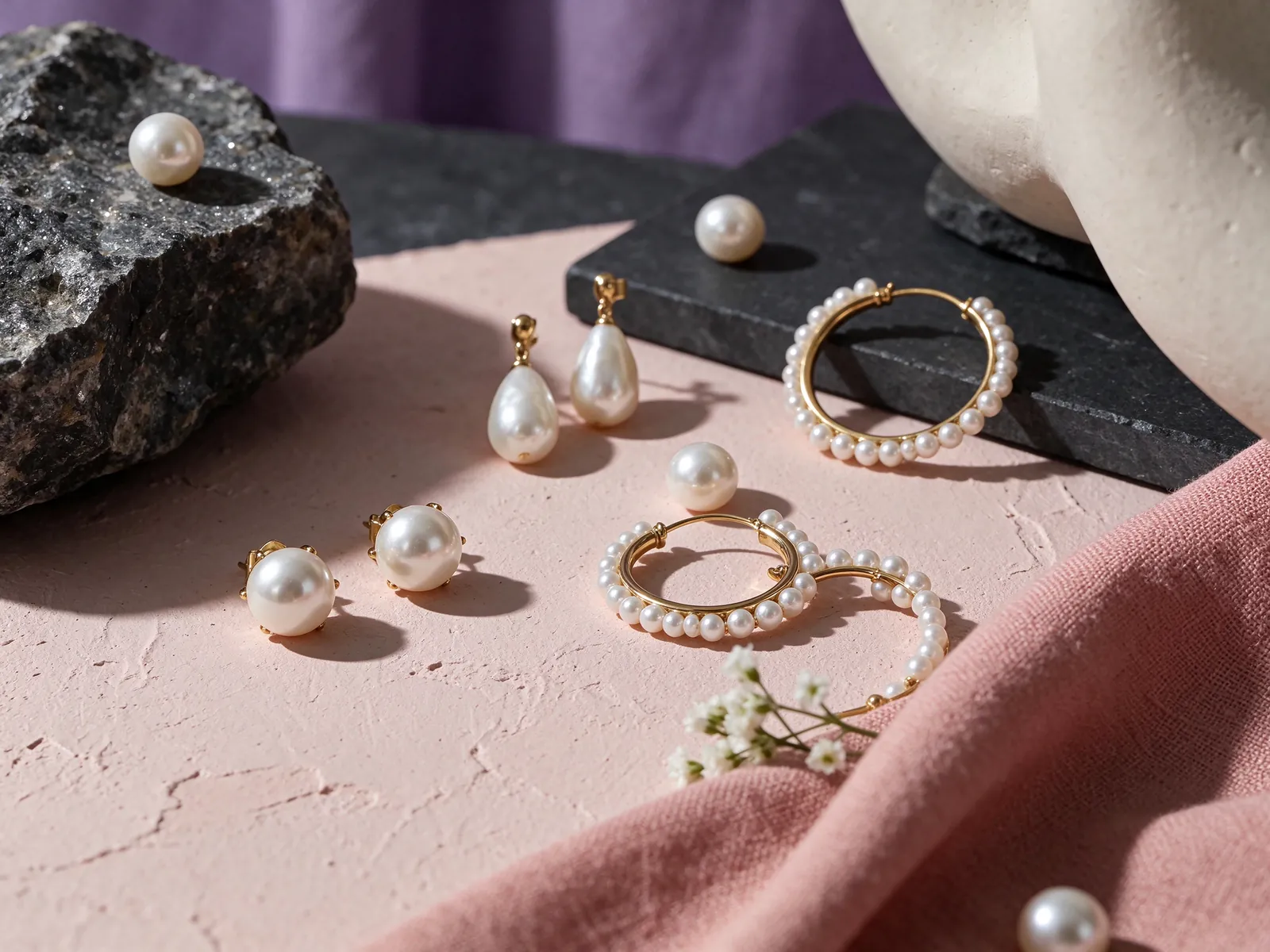
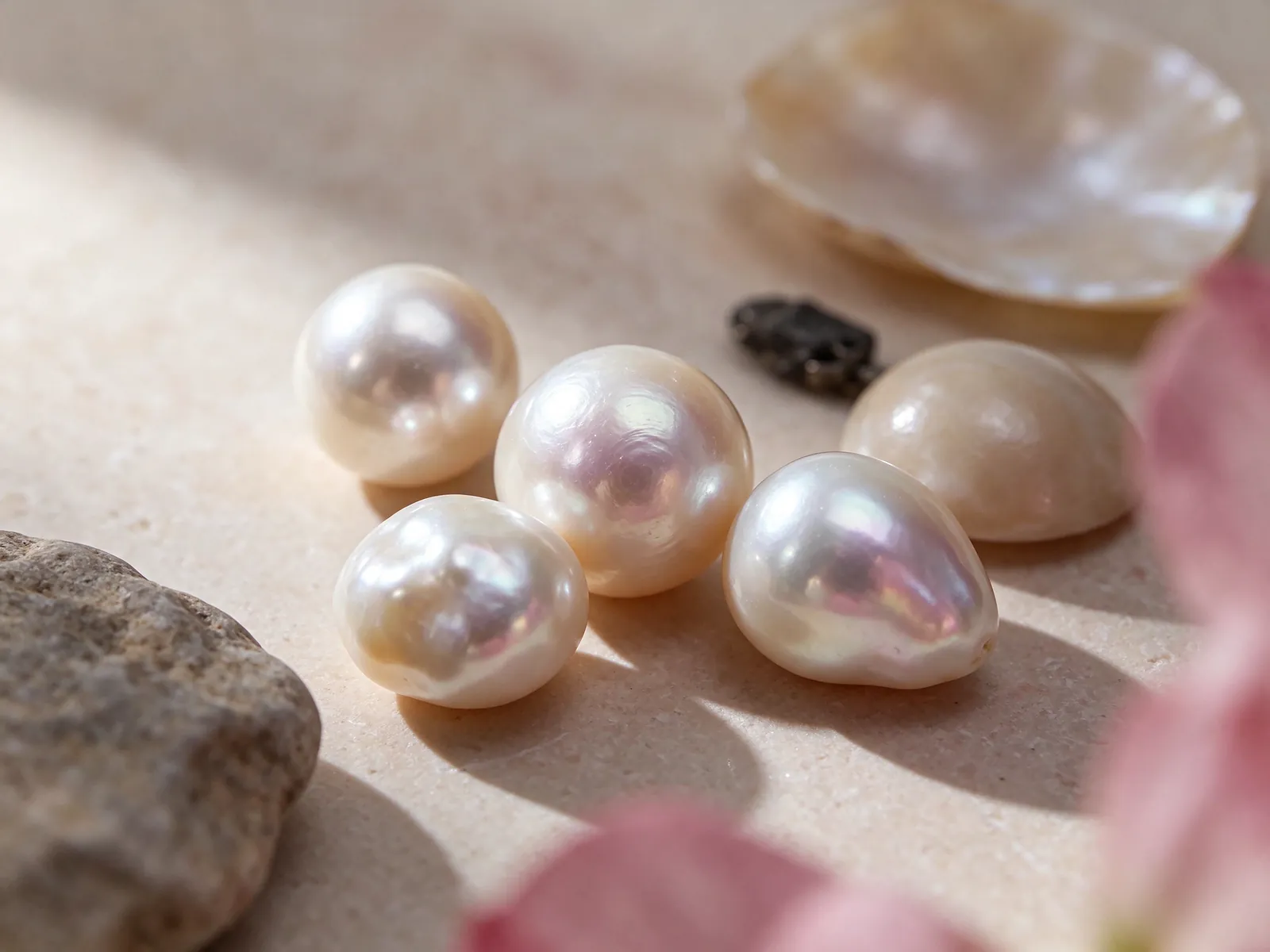
Flint Tide · Soft Tide Earrings combine a white baroque pearl with a pared-back stud construction. The softly irregular edge gives you something to work with beyond a simple round shape. Observe whether the outline feels compact or extended, how light moves across the surface folds and whether you enjoy the profile as much as the front view. A plain fabric beside the ear can make these distinctions easier to see. White colour and an irregular outline alone do not establish a pearl's origin, natural-versus-cultured identity or value.
Contrast can come from shape rather than length. Two sides may sit at similar heights while one looks rounded and the other more linear. When considering multi-pearl earrings as a styling direction, look at the line created by the whole arrangement, not simply the number of bright points. Ask whether that line supports the single pearl's presence or overwhelms it. This is a comparison of visual approaches, not an additional design offered on this page. Thinking in complete silhouettes usually gives a clearer answer than comparing individual details in isolation.
Use matching deliberately, rather than abandoning it
GIA describes seven pearl value factors: size, shape, colour, lustre, surface quality, nacre quality and, for multi-pearl jewellery, matching. An asymmetric look can still involve matching selected visible qualities, such as a related colour impression or a similar degree of visual presence. It simply does not require every feature to mirror the opposite side. Keep that styling decision separate from quality questions that a photograph cannot answer, including nacre quality. A harmonious outfit is not a pearl identification report, and the value-factor framework is not an endorsement of a particular Flint design.
Choose the side with your hair and neckline in mind
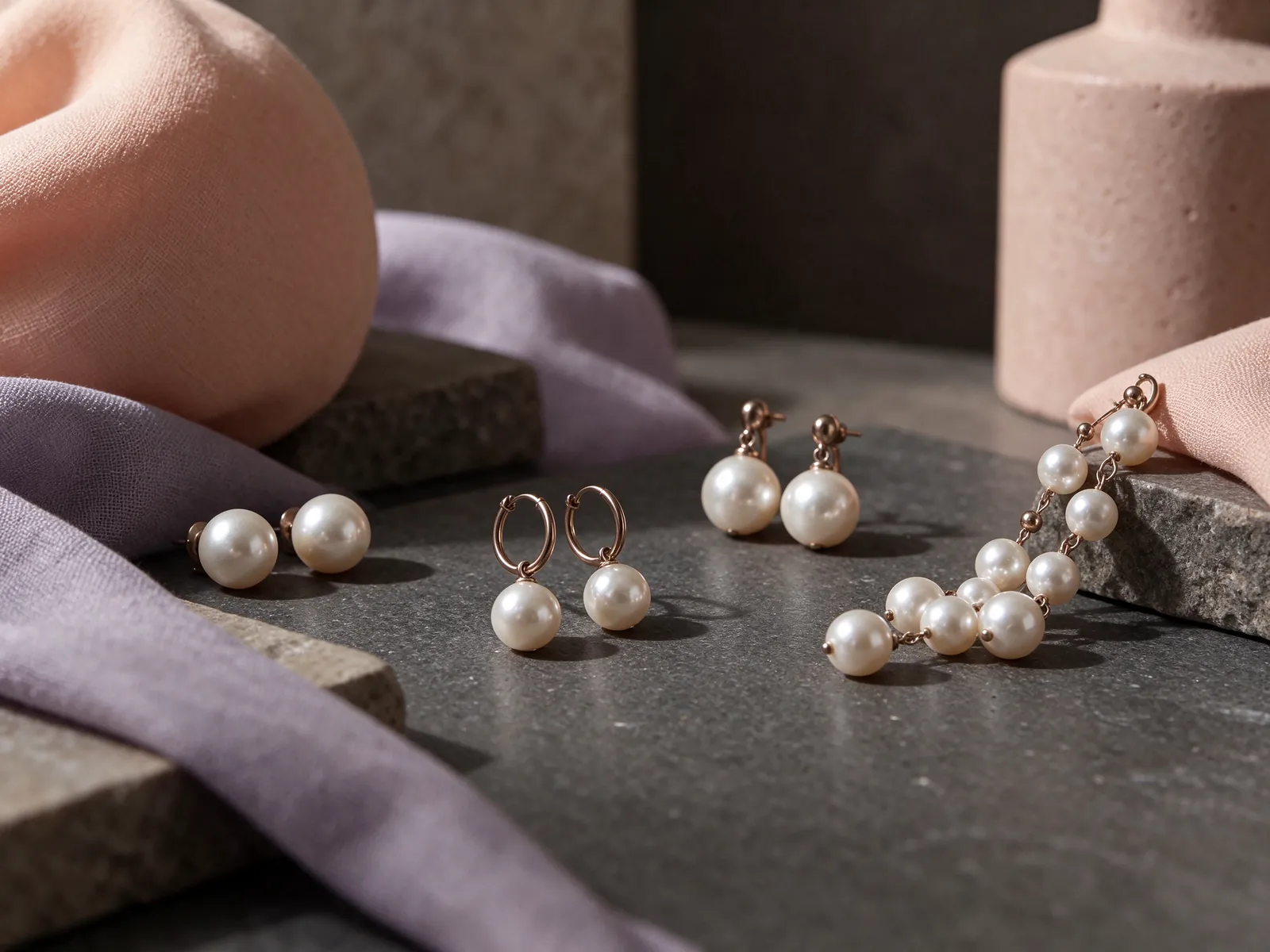
There is no compulsory left or right side for a single-earring look. Start with your usual parting, the side you tuck behind an ear and how you normally tie your hair. An exposed pearl offers an immediate focal point; one partly covered may become visible as you turn. Compare both possibilities in photographs that are not mirrored. If you are dressing for an occasion, include the actual neckline and hairstyle rather than making the decision against a blank background. The surrounding space can change the impression as much as the earring itself.
A crisp collar or a simple round neckline gives a close-to-ear pearl a clear setting. A bow, draped shoulder or decorative high collar may already draw attention to one side. Simplify the necklace first if the area feels crowded. If you are exploring a pearl ear cuff as another way to build ear-level detail, distinguish its wearing position and construction from a stud. A post earring does not become a cuff by changing where you place it, and a photograph cannot establish how a particular fitting will sit on your ear.
Check the look during ordinary movement
Sit down, turn your head and return your hair to its usual position when comparing a combination. Glasses, headphones and higher collars can introduce contact points that a front-facing image misses. A proposed charm should be discussed with that movement in mind, including where it might meet hair or fabric. Stop wearing the arrangement if it pulls or feels uncomfortable. Neither a minimal appearance nor a metal name can predict individual comfort, and visual balance is not a reason to persist with an unsuitable fit.
Build a personal look without gender rules
Begin with the clothes you enjoy, rather than deciding whether a pearl should look feminine or masculine. Against sharp tailoring, a single soft outline can be the only organic detail. With relaxed clothing, keeping the ear area uncluttered can create a useful point of definition. When comparing pearl stud earrings, put the emphasis on line, proportion and personal expression. Asymmetry already changes the familiar paired arrangement; it does not require several additional ornaments to make an individual statement.
If you already own a metal earring for the other side, compare its outline and colour with the white pearl before deciding to match everything. A familiar jacket detail or the line of your glasses can supply a useful visual connection. For a stronger point of sparkle, the design discussion around pearl and diamond earrings can help you consider whether concentrated or scattered brightness suits the outfit. It is a styling comparison; it does not mean the Soft Tide design contains diamonds or that another product is included in a single-earring discussion.
Change one element at a time
For your first experiment, keep a familiar outfit, hairstyle and necklace, and change only the paired earrings to a single piece. On another occasion, compare a bare opposite ear with one of your own simple earrings. This makes it easier to recognise which adjustment you prefer. If you want more colour, start with one area of fabric rather than several new jewellery accents. The method is not a rule about taste; it is a practical way to separate the effect of each choice.
A remaining earring can lead to two different conversations
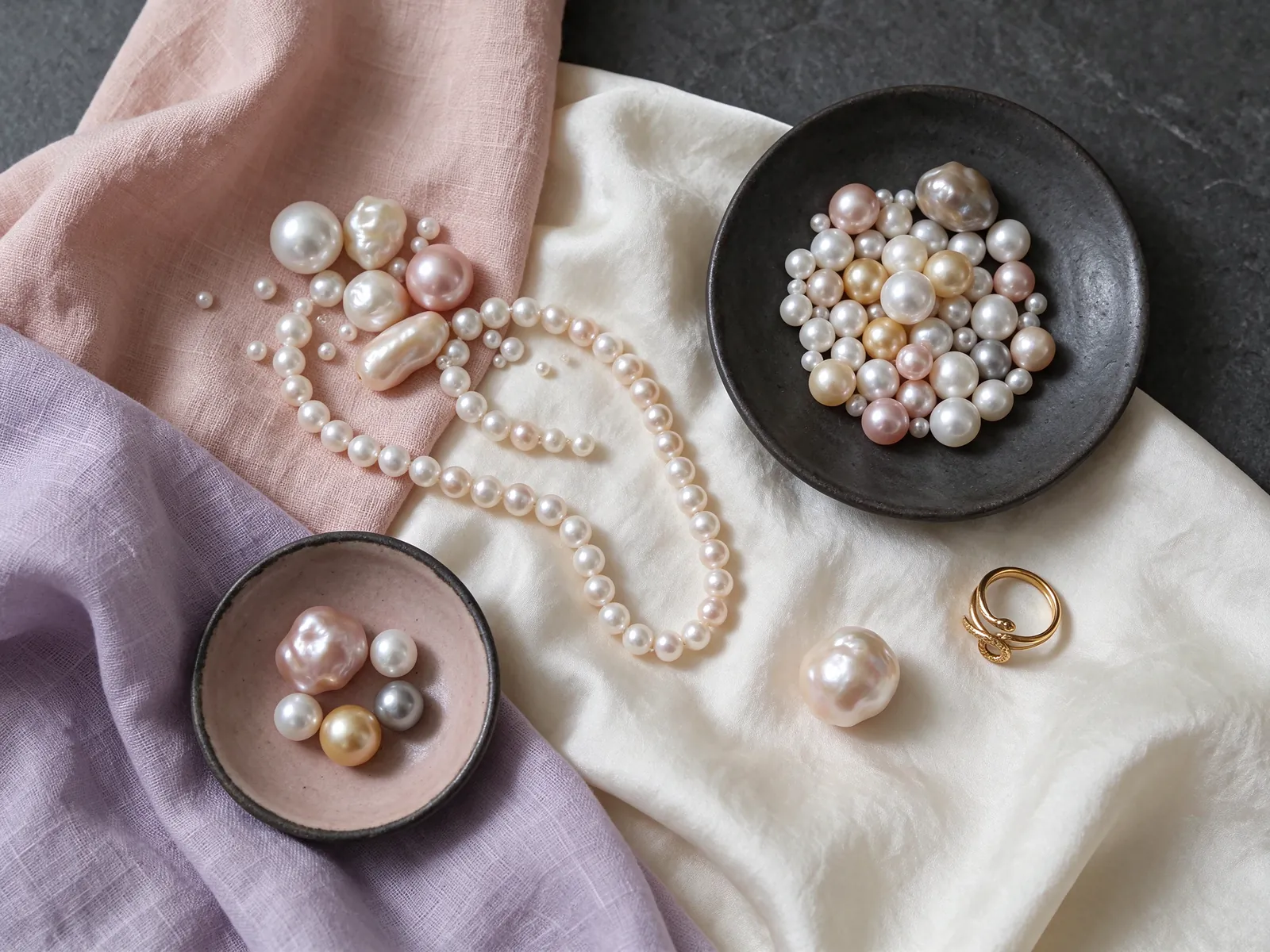
If you are considering single-earring styling because one piece was lost, decide whether you want to restore a paired appearance or create a new asymmetric look. The first goal calls for discussion of colour, lustre, outline, construction and wearing direction. The second allows you to preserve a distinctive feature and contrast another. Comparing pearl studs vs drops vs dangles can help you describe compact or extended outlines before deciding between those goals: something that looks broadly similar is not necessarily an identical match. Keep the remaining piece intact rather than altering the post or removing the pearl yourself.
Bring clear front, back and side photographs taken in soft natural light, together with a picture of the earring as you wear it. Existing documents can explain what you already know without asking someone to guess pearl identity from an image. Describe your priority: a familiar colour, the apparent size, the direction of the post or the meaning attached to the piece. If you are open to asymmetry, specify the features you want to keep and those you are comfortable changing. This turns an open-ended request into a more useful design conversation.
Make intentional differences easy to explain
Write one sentence about the connection you want between the two sides and another about the intended contrast. For example, you might retain a soft colour impression while changing from a compact outline to a vertical one. A deliberate difference has a styling purpose; a slight mismatch may be unwelcome if your aim is to recreate a former pair. Whether an appropriate match can be achieved depends on the actual pearls and construction. An existing single design should not be assumed to replace any lost earring automatically.
Discuss the single unit, charm and construction separately
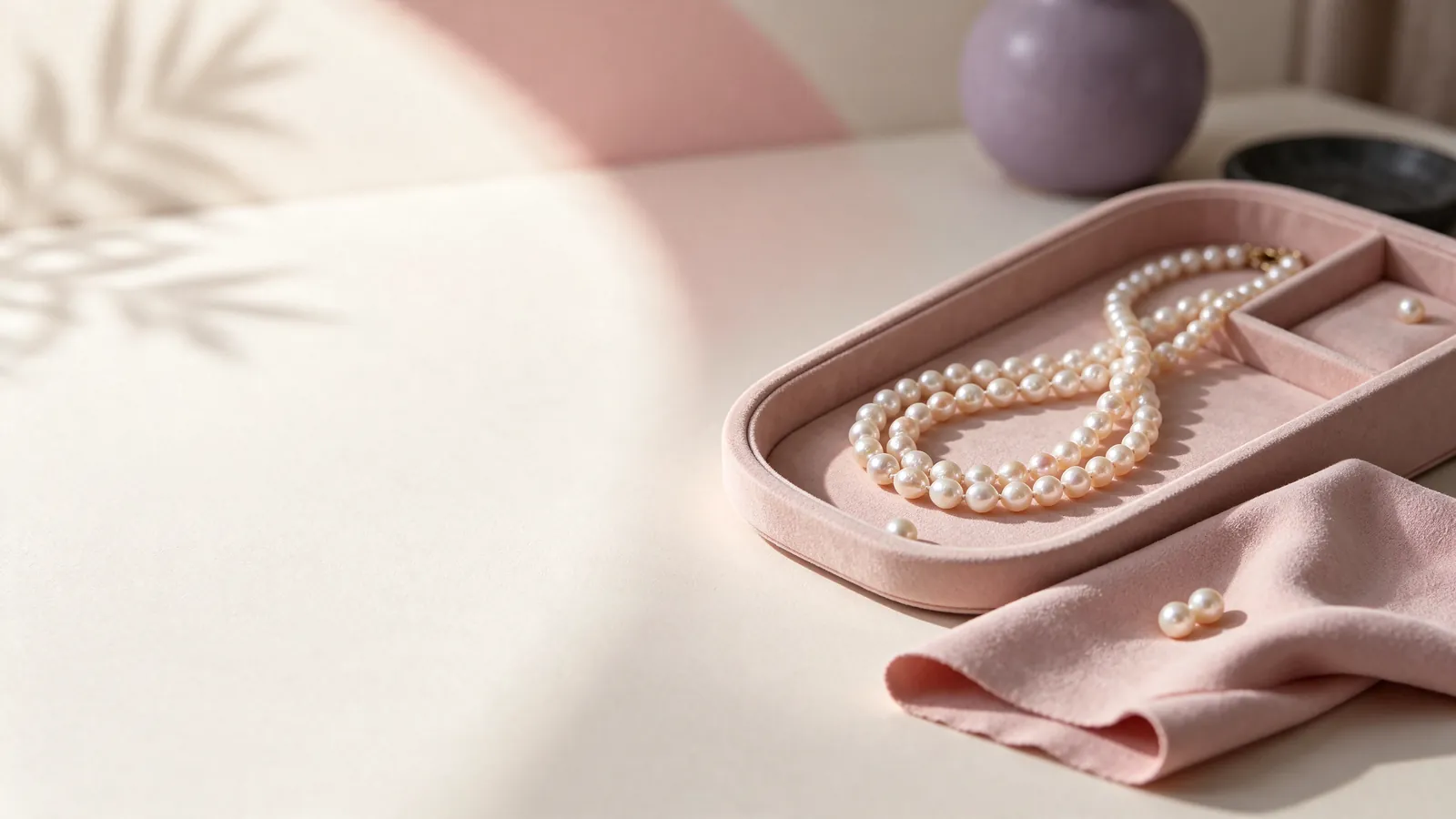
The product unit for Flint Tide · Soft Tide Earrings is a single earring, with stud construction and the option to discuss pairing with an earring charm. That distinction helps you decide whether to wear one alone, combine it with something you own or discuss different arrangements for both sides. The plural design name does not turn the single unit into a pair. A charm is a separate styling consideration: describe the movement, outline and connection you want rather than assuming that a complete combination is included.
Bespoke material choices for discussion are 18K 750 white gold, 18K 750 yellow gold, 18K 750 rose gold, PT950 platinum and PT900 platinum. Compare the desired metal colour with your everyday jewellery and clothing to decide whether it should blend in or create contrast. That choice does not establish how an individual's skin will respond. Instead of saying only that you want something minimal, describe a pearl close to the ear, a restrained side profile or a downward line from a separately chosen charm. These details give the conversation a clearer direction.
Prepare a concise styling brief
Organise your preferences around how you will wear the earring, what you want to retain and what you want to change. You might prefer the right ear, want to keep a soft white outline and seek a length contrast with your own left earring. For charm customisation, include the existing backing and explain the movement you have in mind. Your usual neckline and hairstyle are useful too. These practical details allow a discussion with Flint Jewellery to focus on your actual wardrobe, rather than an abstract mood alone.
Give a single pearl its own storage space
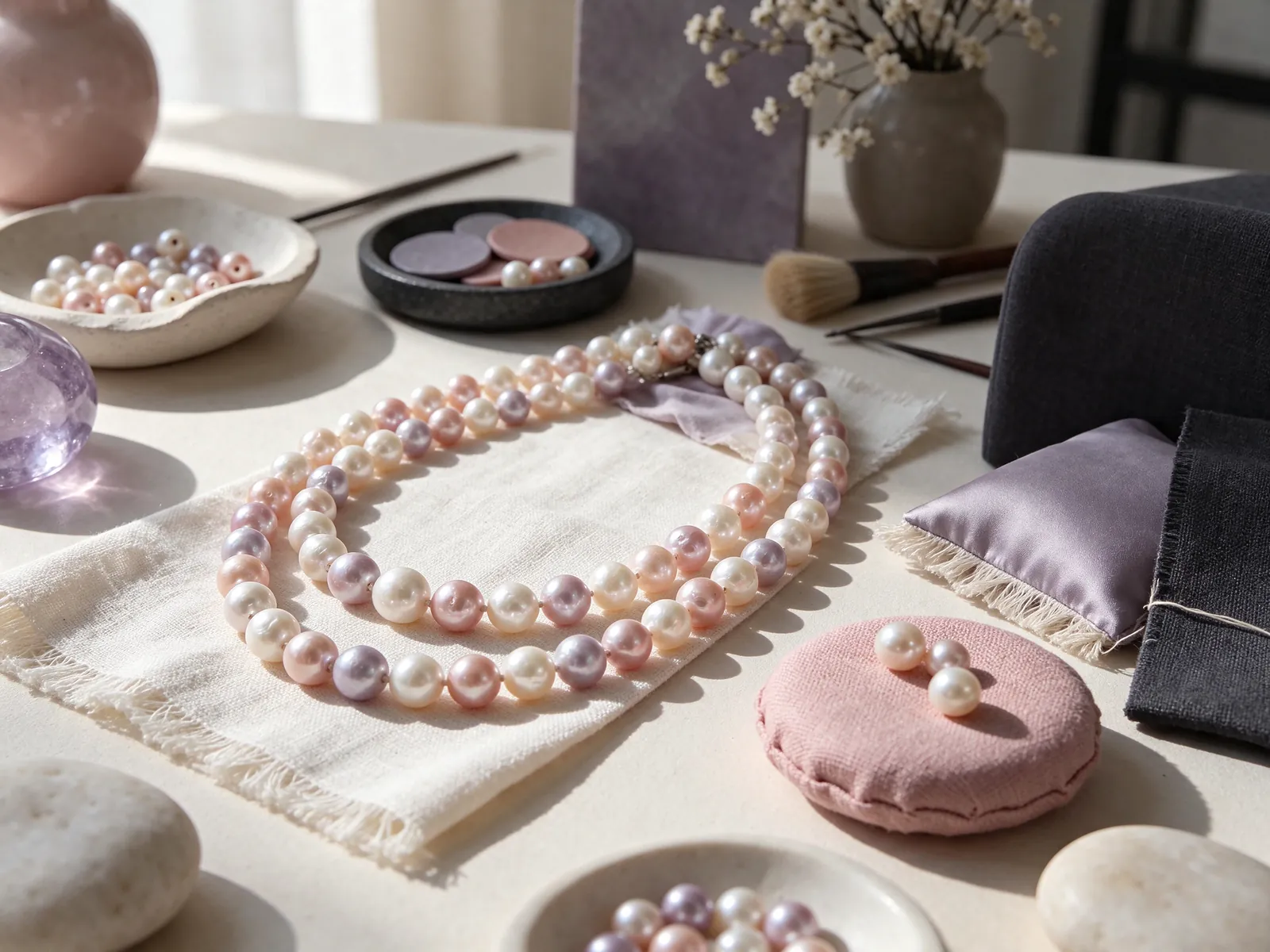
A lone earring can easily disappear amongst other accessories, so give it a consistent, separate storage place. Avoid contact between the pearl surface and harder jewellery. GIA ranks pearl at 2.5 on the Mohs hardness scale; this is a useful reminder about scratching, not a prediction of what one knock will do. After wearing, use a very soft, clean cloth and put the piece away separately. If a charm has been added, understand its removal method before attempting to separate parts, and do not pull at the connection.
Keep perfume, hair spray and excessive heat away from pearls. Completing your fragrance and hair routine before putting on earrings helps reduce direct spraying. GIA also advises that pearls should never be cleaned with ultrasonic or steam cleaners. If the backing loosens, movement changes or the earring becomes uncomfortable, take it off rather than tightening it forcefully. A cleaning method suitable for a metal component is not automatically suitable for the entire pearl piece. Care should follow the construction as well as the material.
Look at the backing as well as the visible pearl
Before wearing and after removal, look in good light at the post, backing and any charm connection for obvious changes or trapped hair. This is everyday observation, not a way to certify structural safety yourself. If a fitting looks bent, loose or unfamiliar, stop manipulating it and ask a specific question about the part concerned. The freedom of a single-earring look lies in choosing its focal point, not in overlooking its wearing condition. A considered routine supports both the styling and the handling of the piece. To explore wearing one alone, leaving the other ear bare or adding a separate charm, contact Flint Jewellery on WhatsApp at +85260106207 with your everyday outfit and existing-earring photographs.
| Situation | Shared feature | Possible contrast | Practical observation | Discussion point |
|---|---|---|---|---|
| Wear one alone | A single pearl focal point | Leave the other ear bare | How hair frames the pearl | Preferred wearing side |
| Stud beside a drop | Soft colour or a related curve | Length and movement | Side profile and neckline space | Which side leads visually |
| Pair with an existing metal earring | A restrained outline | Metal colour and pearl texture | Other bright points in the outfit | Echo or contrast |
| Explore a charm | The pearl remains recognisable | A downward line | Connection, backing and hair contact | Attachment and removal method |
| Keep a remaining earring | A feature with personal significance | Redesign the other side | Existing piece and documents | Restore a pair or create asymmetry |
Pearl knowledge and authoritative references
GIA describes seven pearl value factors: size, shape, colour, lustre, surface quality, nacre quality and, for multi-pearl jewellery, matching. Asymmetric styling can intentionally connect selected visible features without mirroring every detail.
Read the reference for this factFrequently asked questions
Should I always wear the pearl on the exposed ear?
No. The exposed side gives a more immediate focal point, while a partly covered pearl may appear as you turn. Compare both sides with your usual clothes and hair, and use non-mirrored photographs to judge the arrangement you prefer.
Does the Soft Tide single unit include another earring or a charm?
The product unit is a single stud earring. The other side and a separately chosen charm are individual points for discussion, not something to infer from a styling idea or the plural design name.
Can differently shaped pearls still look related?
Yes. An asymmetric arrangement can connect through a related colour impression, lustre or visual presence while leaving the shapes different. Restoring a former matched pair is a separate goal and calls for a closer matching discussion.
Can any charm be fitted onto a pearl stud?
Do not assume compatibility from appearance alone. The attachment point, post, backing and direction of movement need consideration. Provide side and backing photographs for a concrete discussion, and avoid forcing or modifying an unfamiliar fitting.
How should I choose a necklace with one pearl earring?
Establish the ear-level focal point first. With an elaborate collar or shoulder detail, try leaving the neck area clear. With simpler clothing, compare the outfit with and without a familiar necklace, changing only that element so its effect is easier to judge.
Updated: