
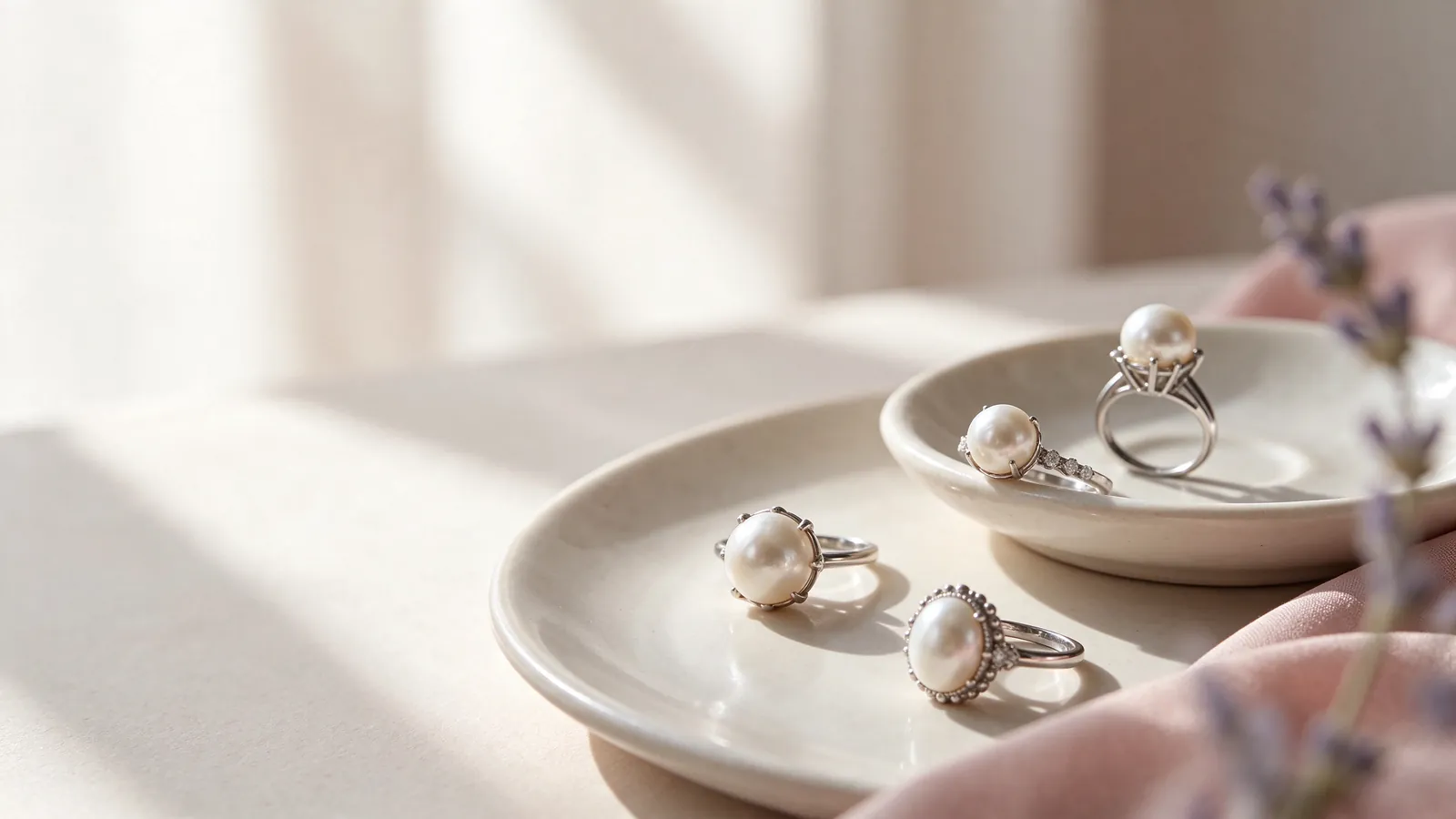
how to measure ring size with a paper strip: a pearl ring sizing guide to measure finger circumference
Choose the hand and finger before preparing a paper strip, a pen and a ruler marked in millimetres. Wrap the strip flat around the widest part of the finger, without twisting it or pulling it tight enough to indent the skin. Mark the overlap with a fine line, lay the strip flat and measure from its starting edge to that mark. Record the finger, measurement location and unit alongside the length.
Finger circumference and pearl diameter answer different questions. Circumference helps establish a ring-size reference, while pearl diameter concerns the appearance of the top of the ring. Use the single pearl ring guide when considering how a pearl looks against your hand, but keep that decision separate from the inner opening of the band. A paper strip cannot reproduce the resistance of a rigid ring passing over a knuckle.
Why repeat the readings when you measure finger circumference? This pearl ring sizing guide explains how to measure ring size across the day
Repeat the measurement at different times of day using the same strip width, location and gentle tension. Note what you were doing beforehand so that unusual readings have some context. If a result differs noticeably, rewrap the strip and check the mark before changing your chosen size. Retain the separate readings rather than reducing everything immediately to an average; the pattern can reveal inconsistent technique.
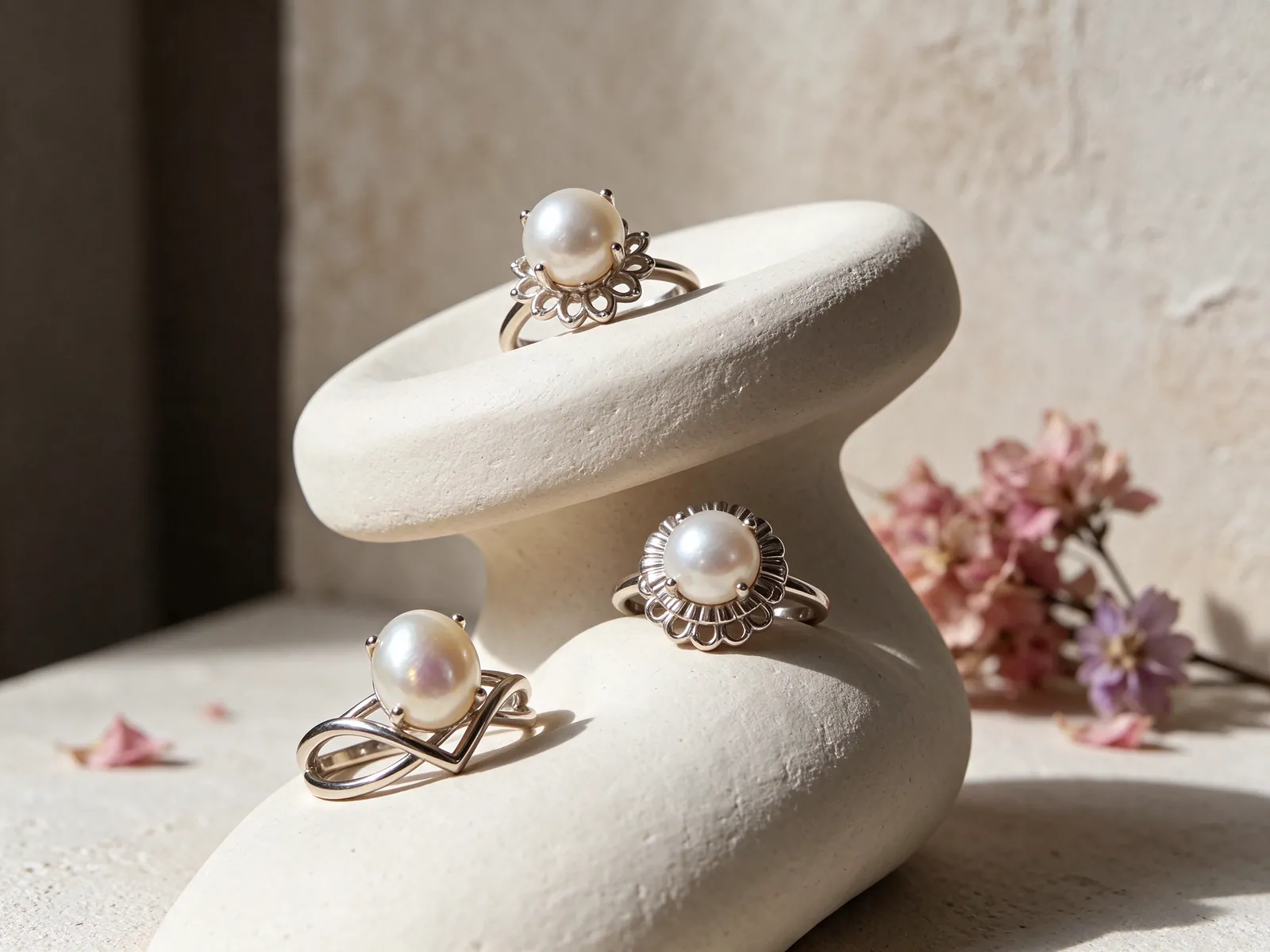
Account for the knuckle as well as the resting position
A ring normally rests near the base of the finger, but it must first pass over the knuckle. Where the knuckle is noticeably wider, record a separate base measurement and label both locations. Choosing from the base reading alone can make insertion difficult; choosing only from the knuckle reading can leave the ring loose at its resting position. Physical sizing tools help you explore that difference.
Do not assume that matching fingers on your left and right hands have identical measurements. If you are considering a pearl pinky ring, measure the intended little finger rather than borrowing a reading from your ring finger. During a fitting, try the movements you use when carrying a bag, typing or holding a cup. These reveal whether the band interferes with neighbouring fingers or seems likely to slide off.
Check removal without forcing the ring
Keep your hand relaxed and assess whether the band passes the knuckle with a gentle, controlled movement. At the base, lightly close your hand and straighten your fingers to check for pressure and slipping. Removal should not become a test of how hard you can pull. Stop trying a ring that causes pain or obvious discomfort rather than treating resistance as proof of a secure fit.
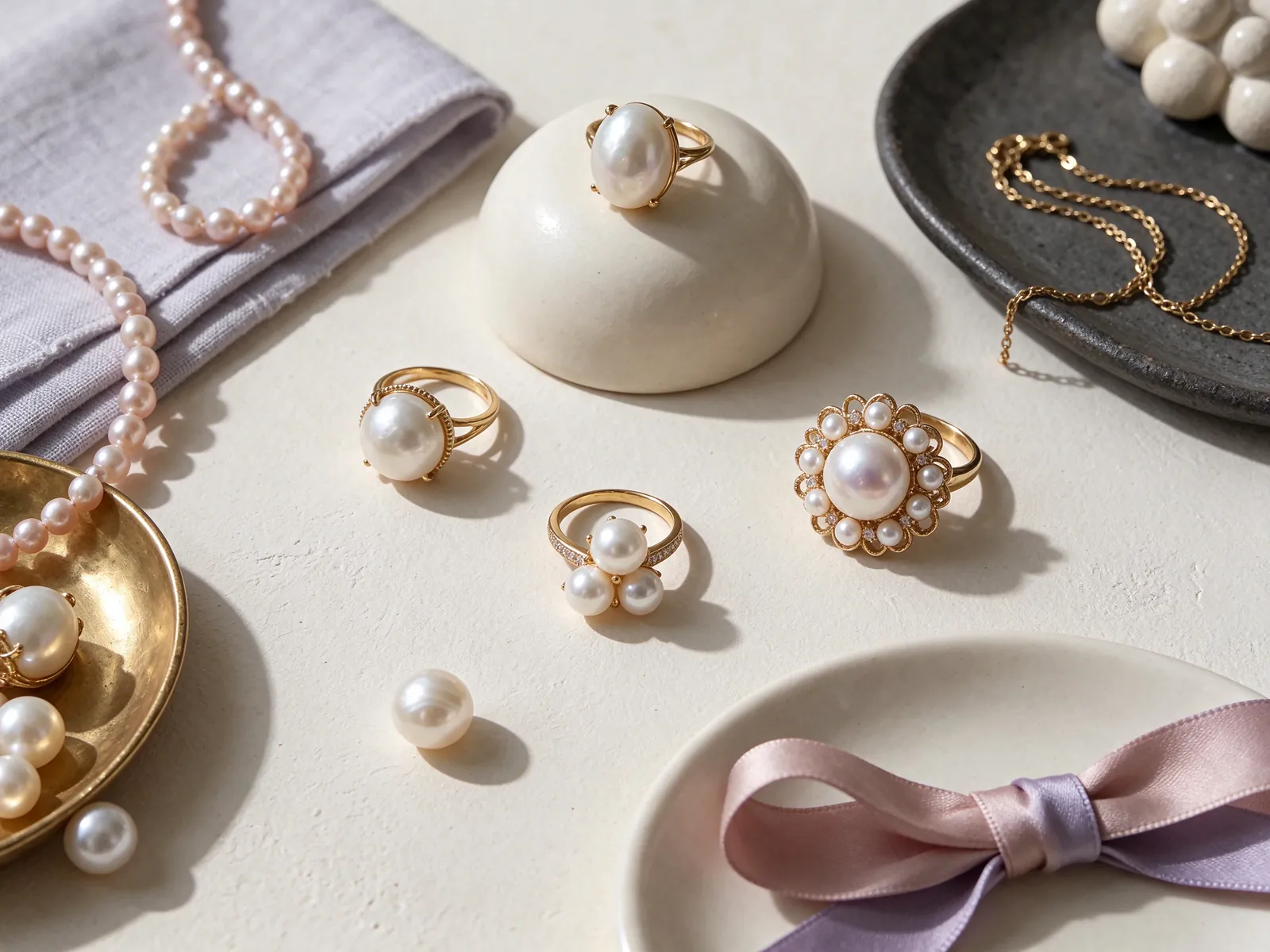
Use an existing ring as a cross-check, not a substitute for the finger
An existing ring is useful only if it fits the intended finger comfortably. Place it flat and measure its inside diameter through the centre, between the inner walls. Do not include the metal thickness. An oval opening, unusual inner contour or difficulty locating the centre reduces the reliability of a ruler reading. Record that this is an existing ring measurement, not a newly measured finger circumference.
Paper strips and flexible tapes measure a length around the finger; physical ring sizers let you feel a rigid opening. Stretchy thread introduces another variable because tension can change its length. Comparing methods works best when you preserve the original units and describe each tool. A disagreement is a reason to inspect the technique, not to collect several size numbers and select the one that looks familiar.
Verify the scale of a printable chart
If a chart includes a calibration line, check that line with a ruler after printing and disable automatic page scaling. Circles displayed on a phone are not a dependable physical scale. When matching an existing ring to a printed circle, compare the inside edge rather than the outside edge. A correct match describes that ring's opening; a differently shaped new band may still feel different.
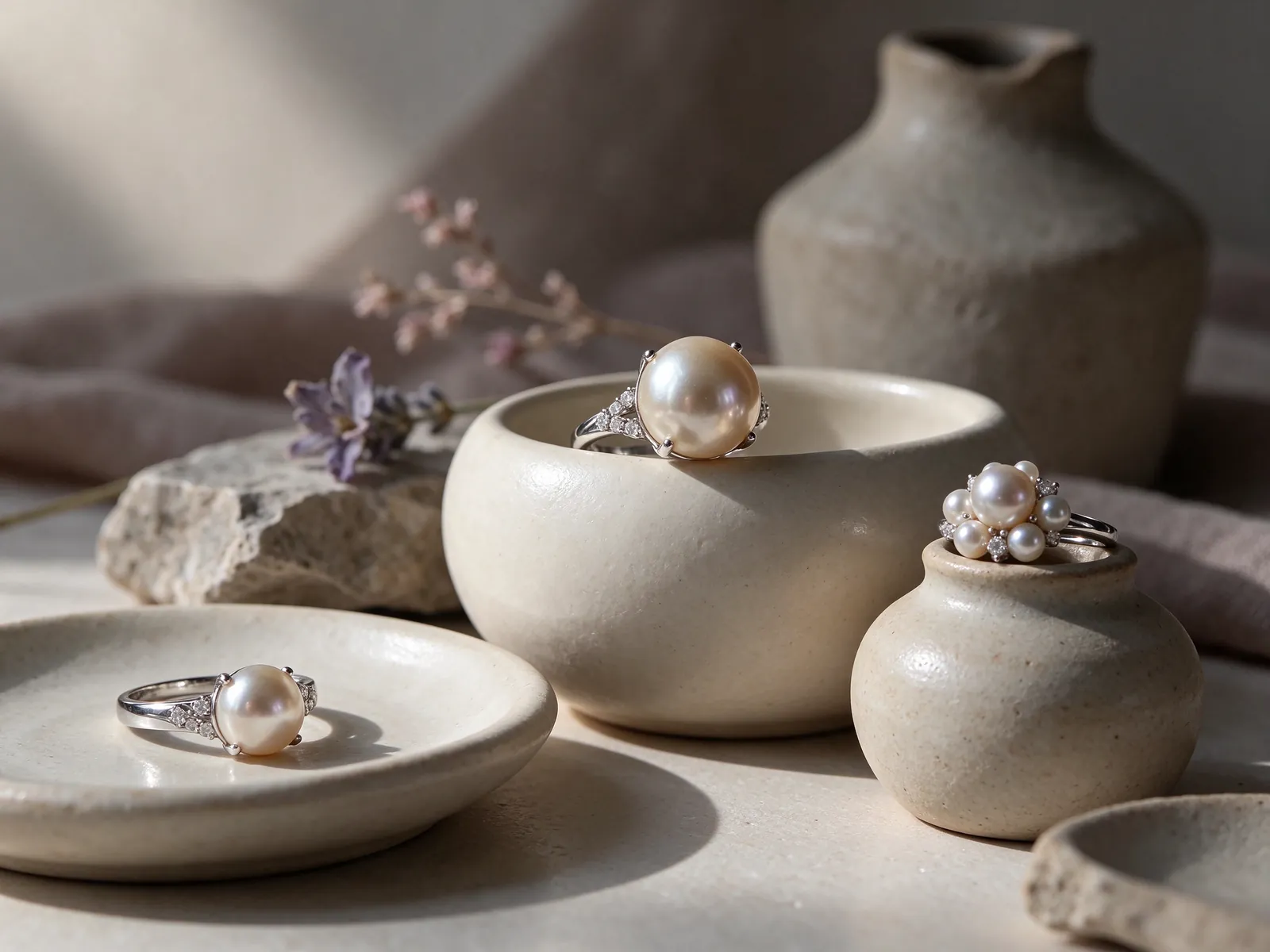
Translate the measurement only after identifying the size system
A bare size number does not identify a measurement system. Japanese and US labels are not interchangeable simply because both use numbers. The Japanese to US ring size conversion guide helps explain the relationship, but keep the millimetre reading alongside any converted label. Check whether the chart refers to circumference or inside diameter before comparing a row with your notes.
If your reading falls between labelled sizes, first repeat it with consistent tension. A thick pen mark, a slanted strip or a different measurement position can move the result across a chart boundary. There is no single rounding rule that settles every ring design. Compare the neighbouring sizes in a band with a similar width and inner profile instead of automatically choosing the larger number.
Make your sizing message unambiguous
Include the hand, finger, measurement location, millimetre reading, time and method in your message. For an old ring, specify inside diameter and whether the fit feels loose, comfortable or tight. Add the named size system if you know it. Explain whether the new ring will be worn alone or stacked; this is more useful than sending a number without any context.
Consider band width and the whole stack together
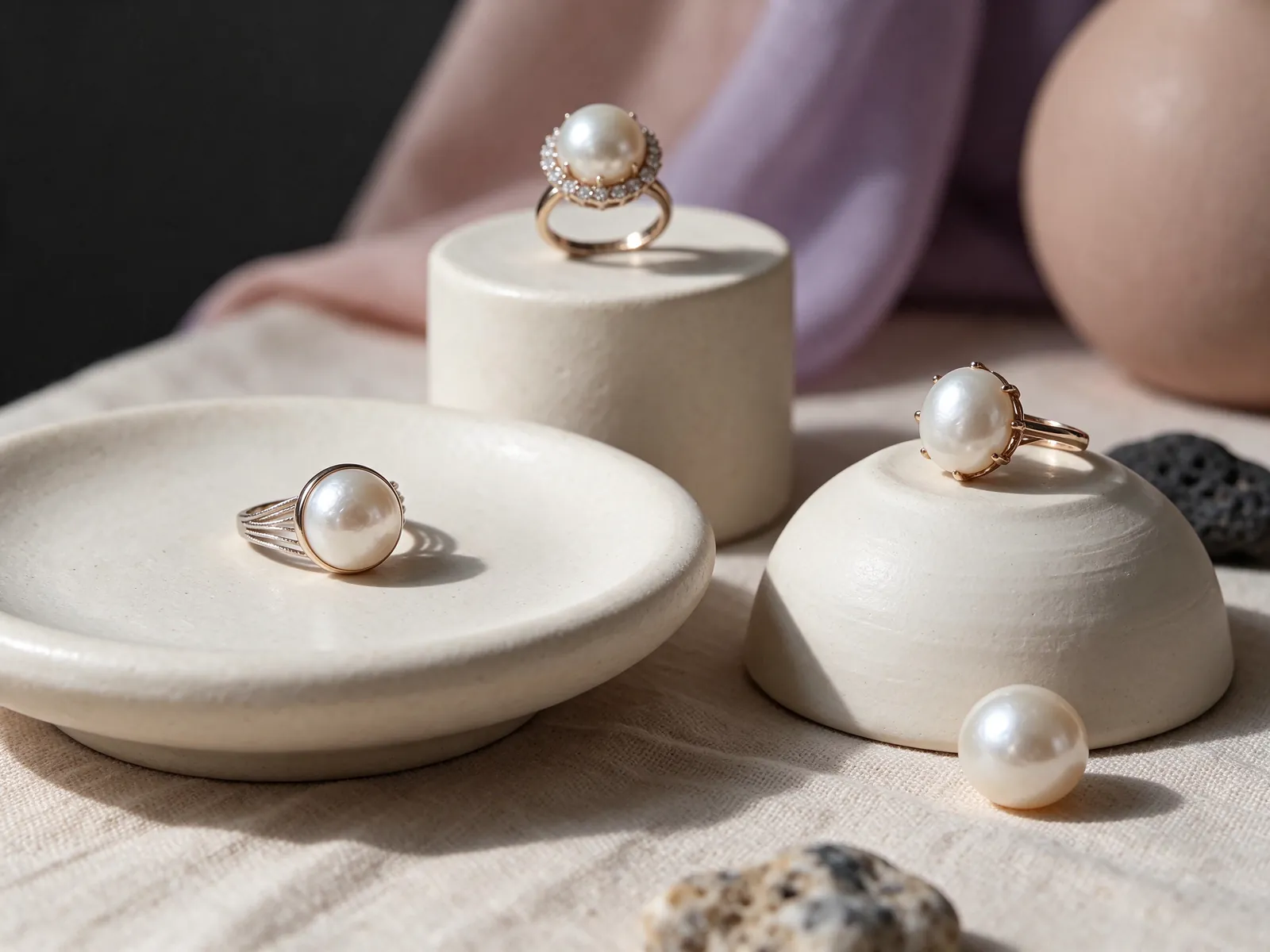
A wider band can feel different from a narrow one carrying the same size label because it contacts a larger area of the finger. Explore wide band pearl ring sizing before carrying a slim-band measurement straight into a broad design. Compare similar widths and inner contours during a fitting. Width alone does not justify a fixed increase that applies to everyone.
For stacking, try the intended combination together rather than approving each ring separately. Adjacent bands can take up space at the finger base and affect the direction of a pearl setting. Gently close your hand, pick up an object and check whether the settings touch. If stacking is occasional, compare it with your everyday single-ring arrangement so that the more frequent use remains part of the decision.
Separate top rotation from actual looseness
A pearl turning to the side is not, by itself, proof that the ring needs a smaller opening. The distribution of weight at the top, setting shape and finger contour can contribute to rotation. Observe whether the band also slides towards the fingertip. Choosing an overly tight fit just to keep the pearl facing upwards may compromise comfort without resolving the design issue.
Do not use an open band or metal colour to solve a sizing problem
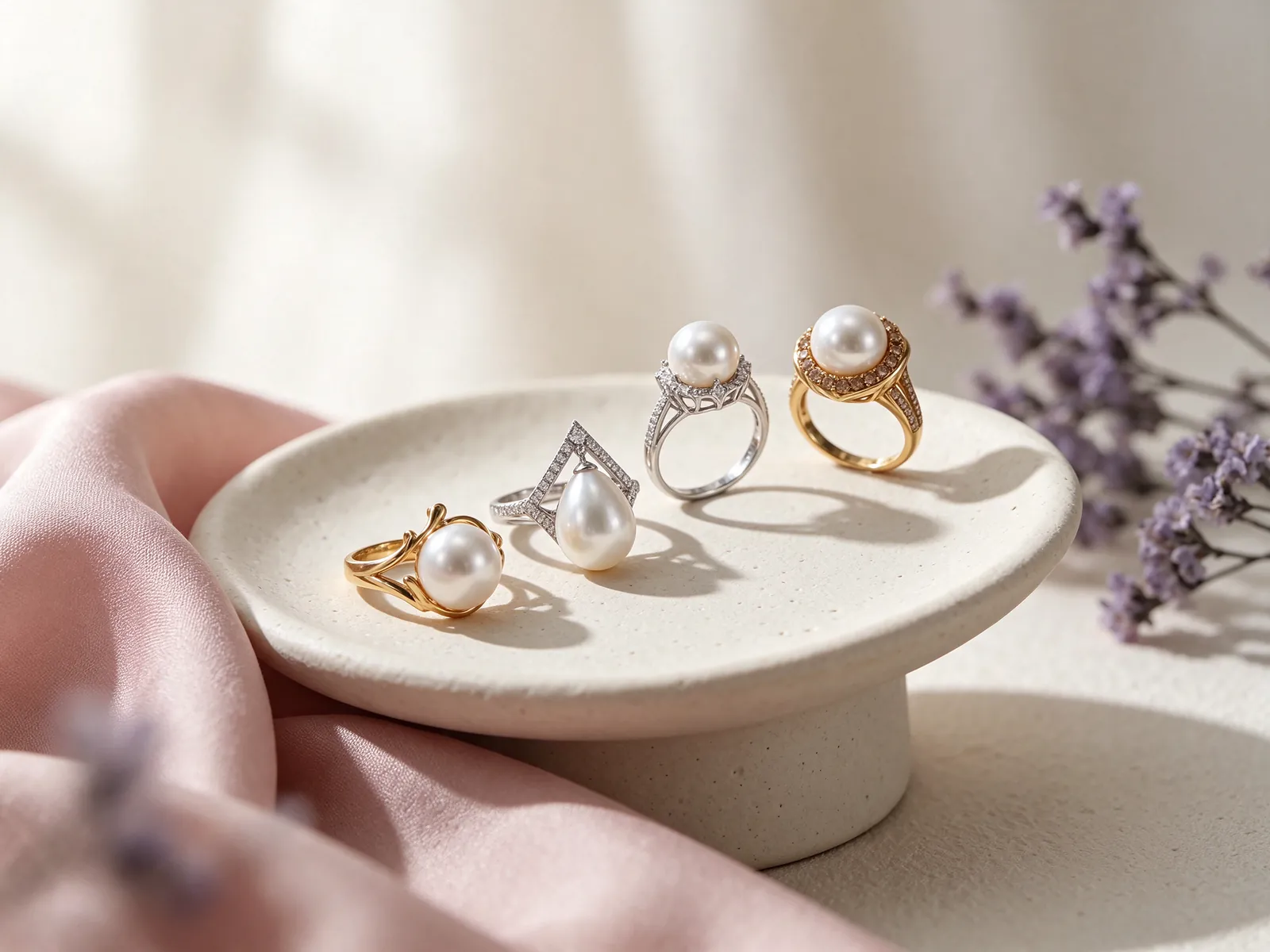
An opening in a ring does not establish that repeated bending is appropriate. The discussion “are open pearl rings adjustable” explains why structure matters: changing the gap can also change the band shape and the forces around the setting. Assess the fit in the ring's intended form. Do not use the pearl as a lever or pull the band apart as though it were a measuring tool.
Colour is a styling choice, not a correction for an unsuitable inner opening. When considering an 18K gold pearl ring, compare its colour with jewellery you already wear, while evaluating width and fit separately. A platinum pearl ring also needs to be assessed for its actual band shape and intended finger. The metal name alone cannot tell you how a labelled size will feel.
Protect the pearl while measuring an existing ring
Hold the band rather than pulling on the pearl, and work on a soft, clean surface. GIA lists pearl at 2.5 on the Mohs hardness scale, so keep rulers and other hard objects away from the pearl surface. Wipe gently with a very soft, clean cloth after handling. GIA also advises against ultrasonic and steam cleaning for pearls; cleaning is not a way to change ring fit.
Finish with a practical fitting checklist
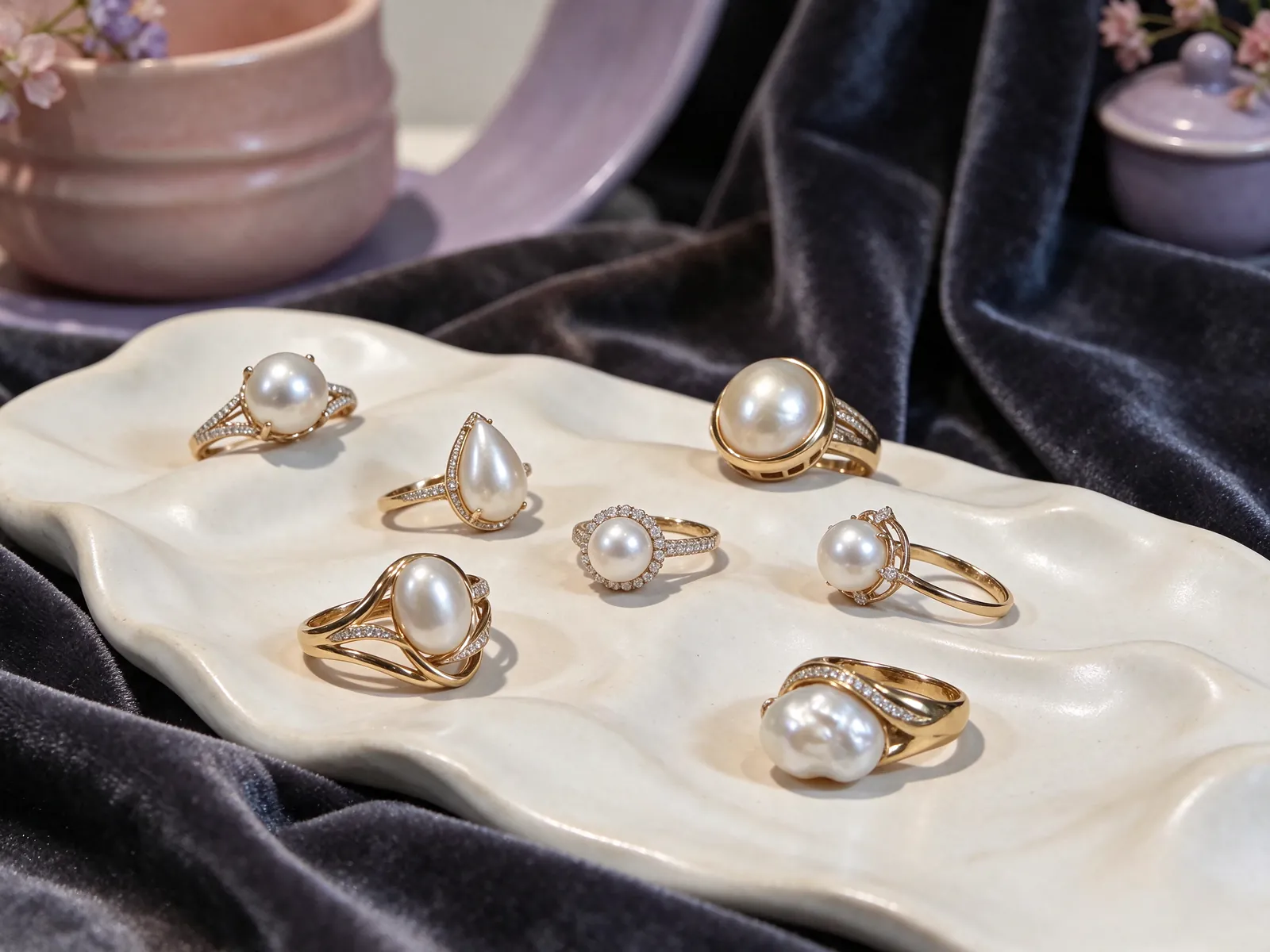
Bring your repeat readings, any separate knuckle and base measurements, an existing ring's inside diameter and your intended band width to a fitting discussion. With the ring on, relax your hand, straighten your fingers and make a loose fist. Look for pressure, sliding and contact with neighbouring fingers during normal movements. The chart provides a starting label; these observations explain how the ring works in everyday wear.
For a gift, establish the recipient's intended hand and finger before relying on an existing ring. Height, clothing size and photographs do not provide a dependable circumference measurement. An old ring is a helpful clue only when its wearing position and comfort are known. Do not assume that moving the gift to a different finger or resizing it later will automatically resolve an uncertain choice.
To discuss your sizing notes, contact Flint Jewellery on WhatsApp at +85260106207. Include the intended finger, your millimetre readings and whether you plan to wear the ring alone or stacked, so the conversation starts with your practical wearing needs.
Resolve conflicting readings before settling on a size
When paper and an old ring disagree, first check that circumference and diameter have not been confused, then confirm that the old ring belongs to the same finger. Revisit the units and technique. If the difference remains, discuss a physical fitting with a similar band and explain the priority: easy passage over the knuckle, stability at the base or space for stacking.
| Method | Reading obtained | Useful for | Typical error | Next check |
|---|---|---|---|---|
| Paper strip | Circumference at a named location | An initial home measurement | Twisting, overtightening or a broad mark | Repeat at different times and label the location |
| Flexible tape | Finger circumference | Cross-checking a strip reading | Misreading the start or wrapping diagonally | Use consistent position and tension |
| Existing ring and ruler | Inside diameter | Comparing a comfortable ring on the same finger | Including metal thickness or missing the centre | Record band width and wearing comfort |
| Printed circle chart | An existing ring's chart match | Comparing an existing opening | Page scaling or matching the outside edge | Verify the printed calibration line |
| Physical ring sizer | A size label and wearing feel | Checking passage over the knuckle | Different width from the intended band | Try a similar-width band |
Pearl knowledge and authoritative references
GIA lists pearl at 2.5 on the Mohs hardness scale. When measuring an existing pearl ring, hold the band and keep a ruler away from the pearl surface.
Read the reference for this factFrequently asked questions
Should I average all the paper-strip readings immediately?
Keep the individual readings first. A noticeably different result may reflect a change in position or tension rather than a useful middle value. Repeat consistently and bring the pattern of readings to a fitting discussion.
Can a ring that fits my left hand size the same finger on my right?
Not reliably without checking. Measure the intended hand and finger separately, and use the old ring as a cross-check only if it is comfortable in that same position.
Does a wide band always need a fixed increase in size?
There is no universal increment. Width and inner contour change the wearing feel, so compare physically similar bands rather than applying a fixed addition to a narrow ring's label.
Is a turning pearl a reason to choose a tighter ring?
Not on its own. Check whether the band also slips, and consider the setting shape and top-weight distribution. A tighter opening may make knuckle passage uncomfortable without keeping the pearl fixed upwards.
What should I send when asking about a measurement?
Send the hand, finger, location, millimetre reading, time and tool used. Identify circumference or inside diameter, name any existing size system and explain whether you intend to wear the ring alone or stacked.
Updated: