
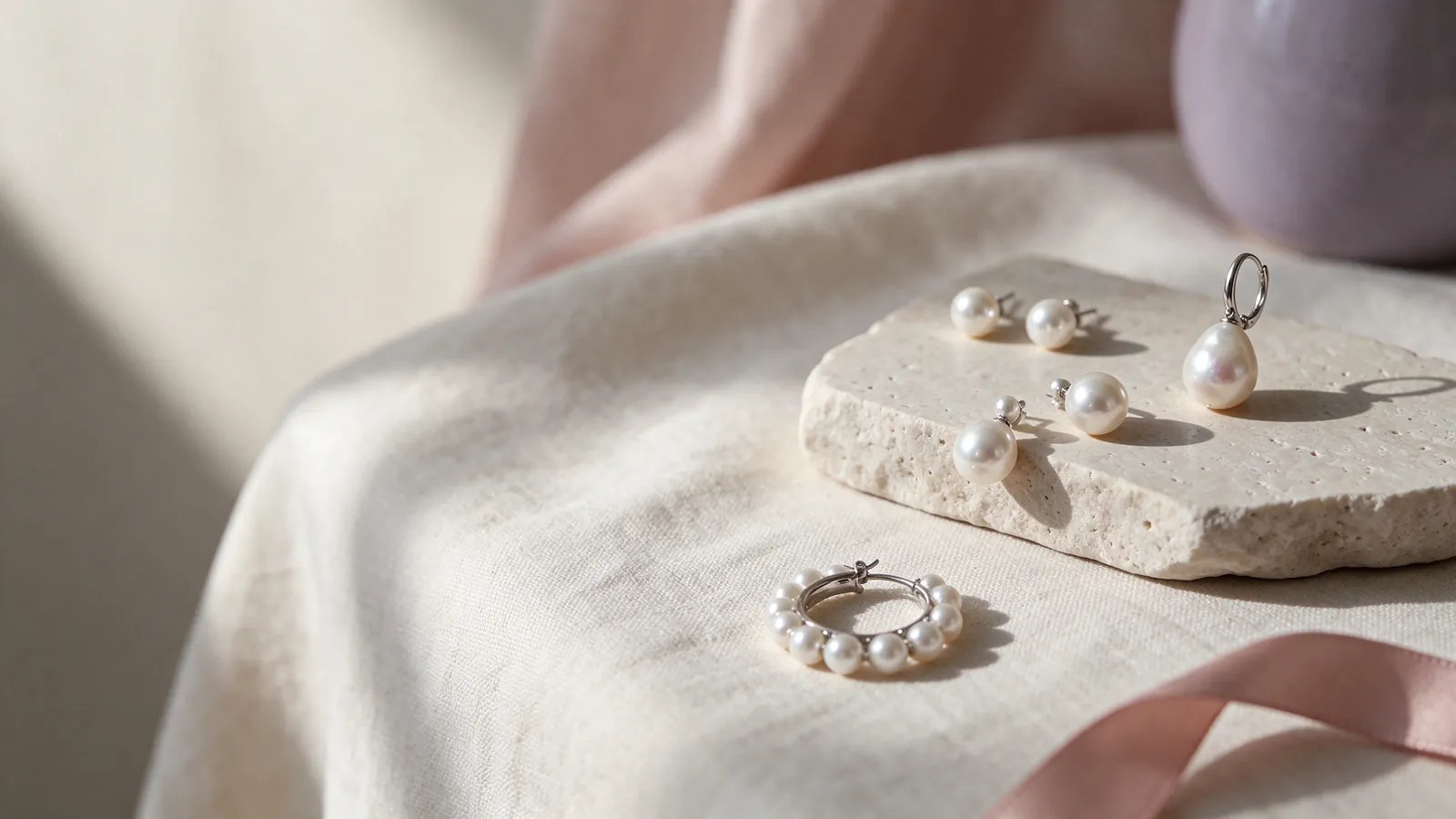
How do pearl hook earrings and hook-style pearl earrings sit on the ear, and what affects the proportions of pearl earwire earrings?
With pearl hook earrings, the visual balance begins at the piercing rather than at the pearl alone. The sweep of the earwire, the connection below it and the pearl's position all contribute to the outline. Look from the front to see the space beneath your lobe, then from the side to see whether the pearl faces forwards or sits further back. An attractive flat photograph cannot show all of these relationships.
Hook-style pearl earrings describe a general construction, not a single fastening system. When considering pearl earwire earrings, ask how the wire is inserted and whether a specific securing component is used behind the ear. To compare the wider range of shapes, the pearl earrings Hong Kong guide provides a useful starting point: distinguish the way an earring is worn from the silhouette you would like it to create.
Which piercing and fastening details matter for pearl hook earrings and hook-style pearl earrings when assessing the fit of pearl earwire earrings?
An earwire that passes through the lobe normally requires a suitable existing piercing. A curved outline does not establish that an earring can be worn without one. Check the insertion direction, the position of the tail and the fastening instructions together. If you do not have pierced ears, compare clip-on pearl earrings by their actual clamping arrangement rather than trying to use a hook as a clip.
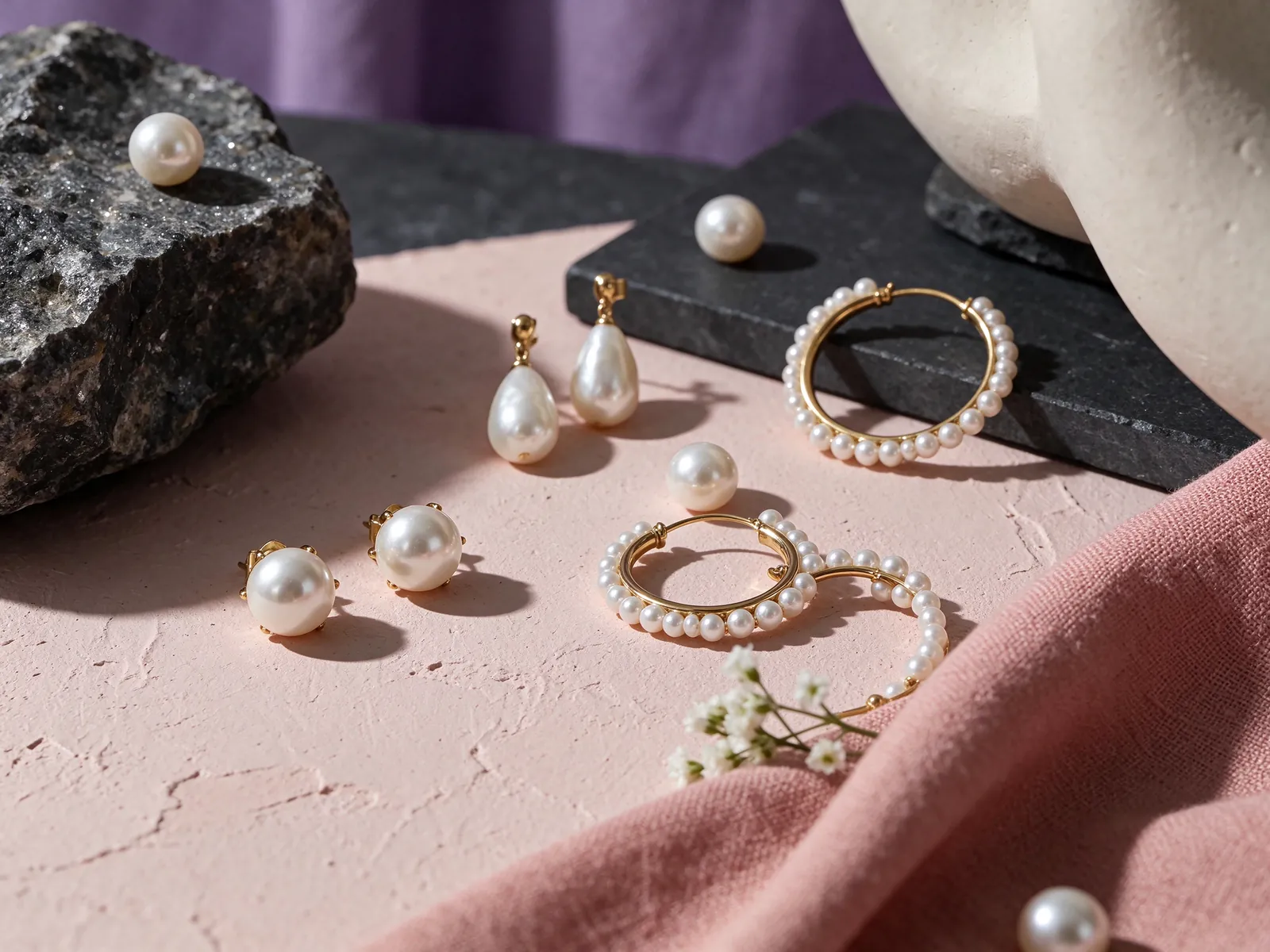
Separate pearl size, total drop and movement
Pearl diameter and earring length answer different questions. Diameter concerns the pearl itself; overall length may include the curve, a connector and the suspended pearl. Before comparing dimensions, establish where each measurement begins. A figure taken from the top of an earwire cannot be compared directly with a figure describing only the hanging element. The pearl's resting position below your own piercing is another useful observation.
Length also affects the space an earring occupies when you move. Gently turn your head and look down in your usual posture, noticing whether the pearl approaches a collar or your hair. If you enjoy a more extended outline, compare long pearl dangle earrings for their proportions, but keep the closure question separate. A long drop can use different fastening structures, and length alone does not establish that a design is a hook.
Use consistent views instead of estimating from close-ups
A close-up can make a pearl look more prominent, while an angled image may hide the back of an earwire. Compare front, side and rear views under similar conditions where possible. Note the lower edge of the pearl relative to the lobe. Do not estimate weight from a delicate-looking wire: the actual weight needs its own description, and comfortable proportions cannot be read from a photograph alone.
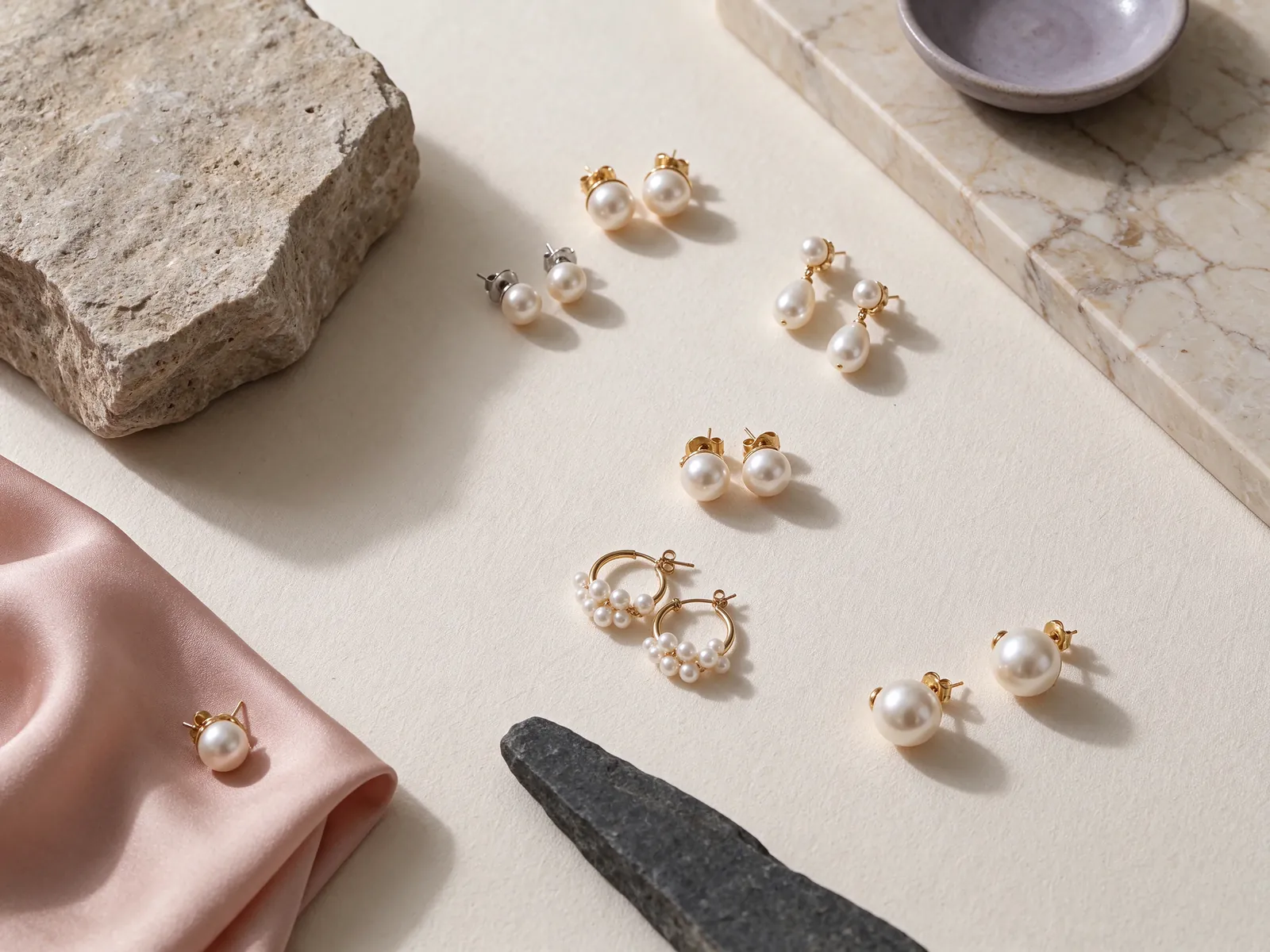
Let your hairstyle and neckline set the visual space
With an updo or short hair, the gap between the earwire and pearl can become part of the design's appeal. With loose hair, the practical question is whether strands meet the tail or connector when you tuck them behind your ear. Rather than treating face-shape advice as a fixed rule, examine how clearly the earrings appear within your normal hairstyle and how often you would need to rearrange your hair.
An open neckline leaves room for a suspended outline; a high collar, scarf or embellished neckline may occupy that same space. A simpler earring can provide balance when the clothing has many details, while an uncluttered collar lets the curve itself stand out. Comparing pearl drop earrings can help you consider other hanging silhouettes without assuming they share an earwire mechanism. Check both the resting position and the fastening for each design.
Try the movements that belong to your day
For commuting, think about answering the phone, removing a coat and adjusting a mask. For a dinner or gathering, notice how the earrings move when you turn to speak. A longer outline is not automatically more formal, and a shorter one is not automatically suitable for every activity. Your familiar clothing and movements provide a more useful test than an occasion label on its own.
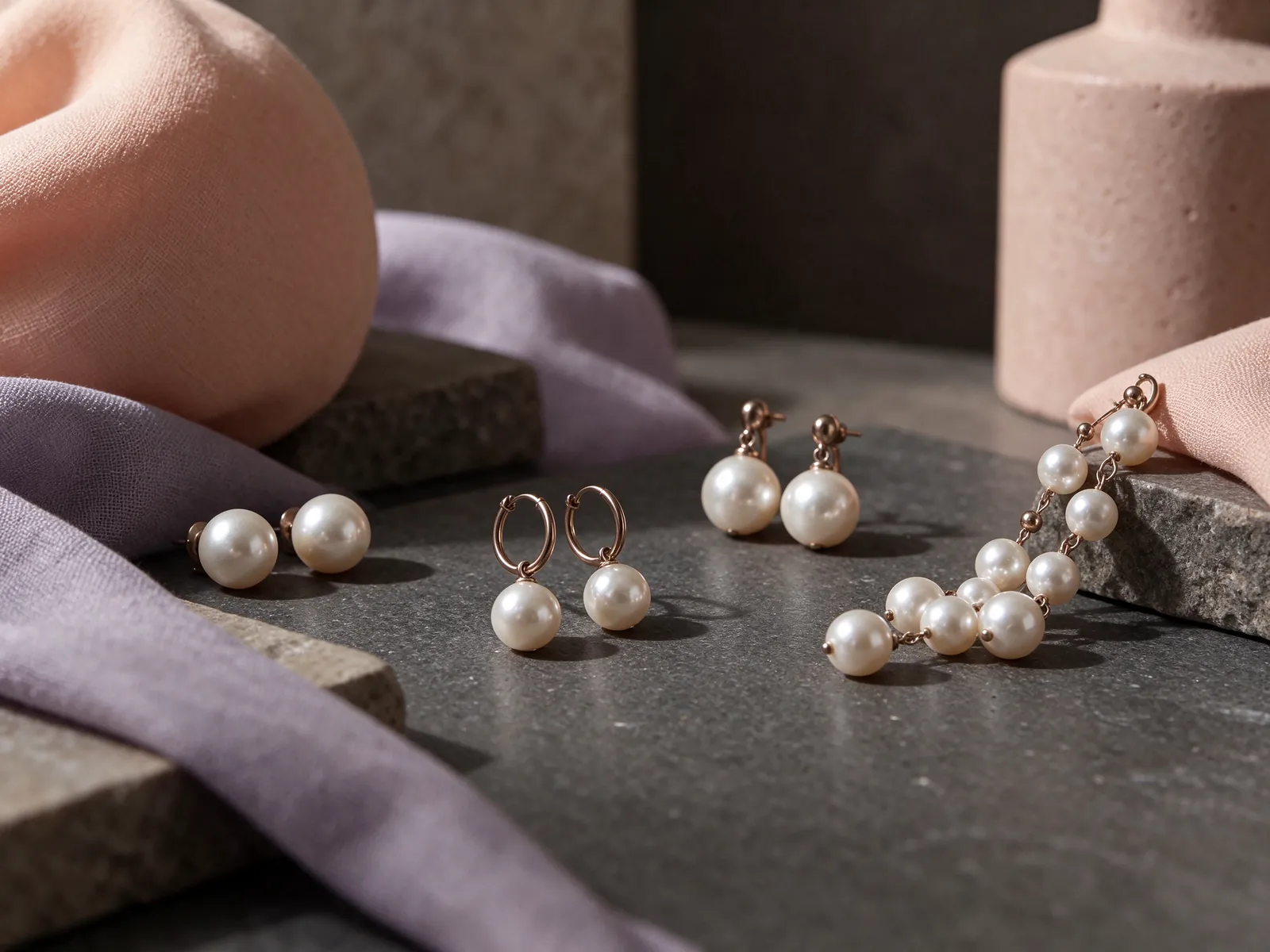
Compare the fastening, not just the family name
The back of an earwire matters as much as its front curve. Establish whether the design has an open tail, an intended securing component or a closing arrangement, and learn how it is removed. Similar-looking earrings need not use interchangeable fittings. Hold the appropriate metal component during removal rather than pulling on the pearl, and stop wearing a pair if a wire or connection appears damaged or distorted.
For less movement below the lobe, pearl stud earrings offer a different structure to assess through the post and back. If you prefer a circular outline, pearl hoop earrings raise questions about the opening, closure and point from which the pearl hangs. Neither alternative is universally more comfortable or more secure. Piercing position, actual weight, fastening details and your wearing habits all belong in the comparison.
Ask before adding a different earring back
A securing component must suit the shape and thickness of the wire it is intended to hold. Adding a back from another pair can make insertion awkward and is not a guarantee against loss. If extra securing is important to you, ask about the method intended for that particular design. Do not bend the wire to make a substitute fit, and remove the earrings if wearing them causes discomfort.
Assess lustre and matching as the pearls turn
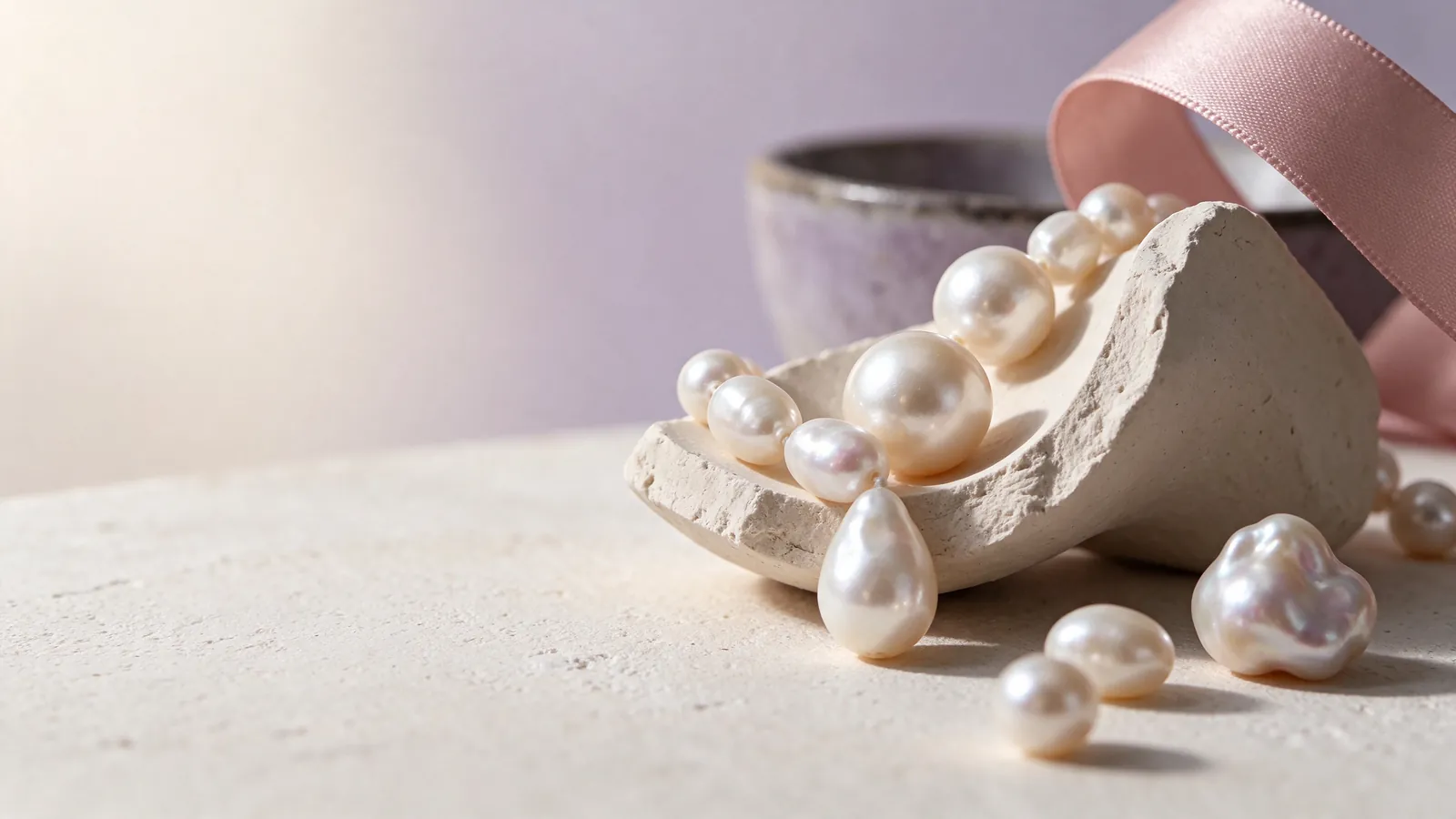
A suspended pearl may reveal different parts of its surface as you move, so inspect more than the brightest viewing angle. Under steady, gentle lighting, compare the clarity of reflections, the colour and the overall surface appearance of the pair. Photography and lighting can change the impression of colour. The aim is to understand the matching you find appealing, not to infer pearl identity from a single polished image.
GIA describes seven pearl value factors: size, shape, colour, lustre, surface quality, nacre quality and matching. This gives you a way to ask fuller questions than simply asking how large the pearls are. It is not a single visual grade that establishes every other quality, and it does not imply that an earring has a GIA report. Origin and natural or cultured identity need their own actual descriptions or documents.
Include the direction of the earwires in your comparison
Even similar-looking pearls can face differently if their connectors or wires sit at different angles. Observe the pair hanging naturally, then compare that with how each side sits on your ears. The position of your piercings can also affect the result. Avoid twisting a wire to force both pearls to the same height; first distinguish the effect of the ear, the wearing direction and the construction.
Care for the pearl surface and the slender wire separately
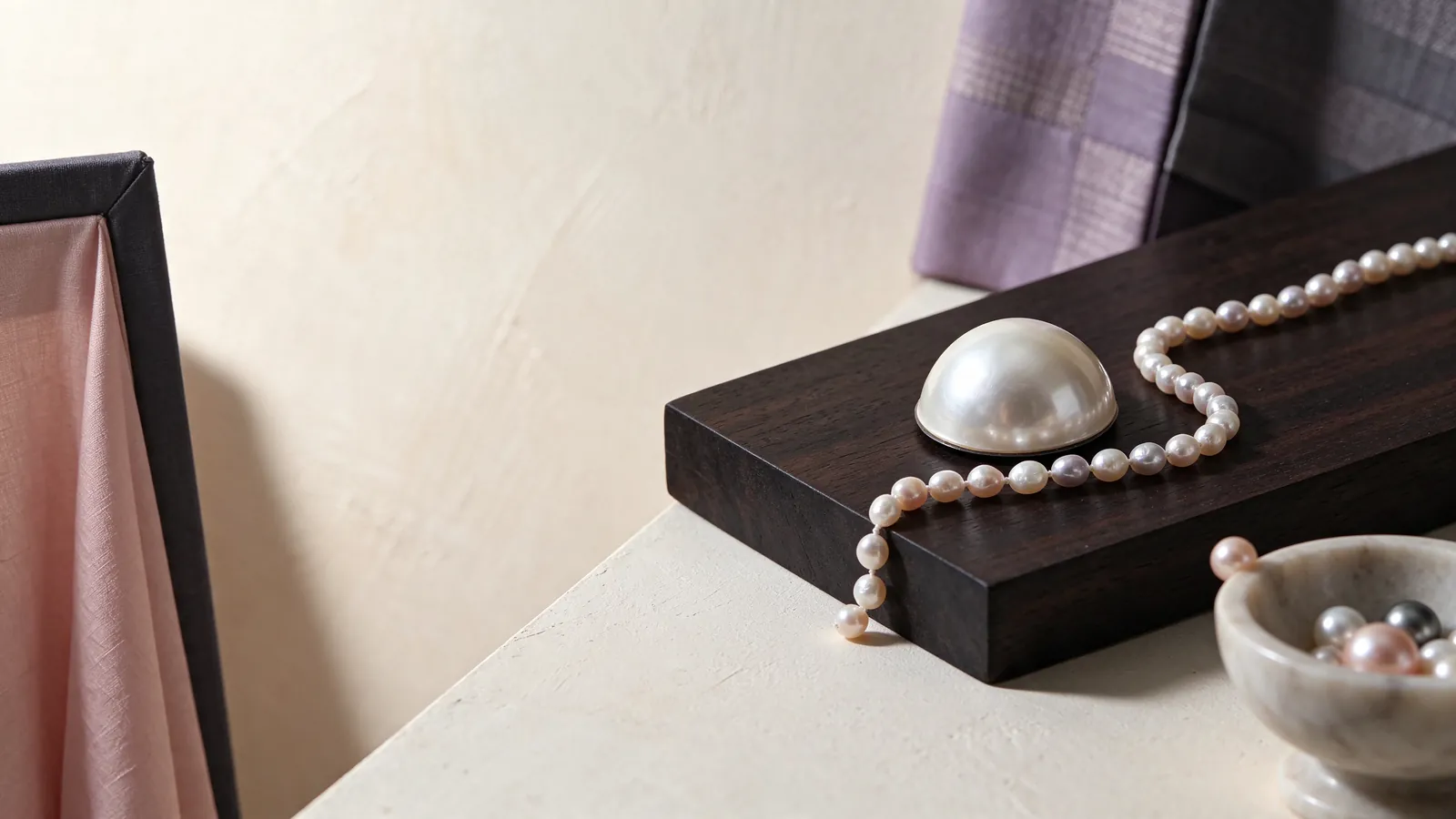
GIA lists pearl at 2.5 on the Mohs hardness scale. For earrings, this is a useful reminder to prevent the pearl surface from rubbing against harder jewellery in storage. The extended wire also needs room so that it does not tangle with another piece or sit beneath a heavy object. The hardness figure does not predict the result of every impact, drop or pull; handling the whole construction carefully remains important.
After wearing, gently wipe pearls with a very soft, clean cloth. Keep perfume and hair spray away from them, and do not use ultrasonic or steam cleaners on pearl jewellery. Finish styling your hair before putting on the earrings. When removing them, look for trapped strands around the connector and avoid tugging on the pearl or scraping its surface with a sharp tool to remove dirt.
Pack a pair so the hooks cannot catch each other
Loose earrings in a handbag can catch on keys, hair accessories or each other. Give each earring a separate soft space, with the pearl protected from contact and the wire free from pressure. If the hooks become tangled, place them on a flat surface and identify where they overlap before separating them gently. Pulling them apart can place unnecessary force on the wires and connections.
Make a buying checklist around the wearer, not a label
Organise your questions into construction, proportion and pearl appearance. For construction, ask about piercing requirements, insertion direction and securing. For proportion, ask about the measurement method, pearl position and actual weight. For appearance, consider size, lustre, surface and matching. Using the same questions across several designs makes differences easier to understand without assuming that one style name answers everything about fit.
When choosing a gift, first find out whether the recipient has pierced ears and which fastening they normally use. Their preferred hairstyle and collars can be more informative than a guessed pearl size. A recognisable hook silhouette does not mean they will be familiar with putting it on. Describe what they like in their existing earrings, such as a close resting position or a clear gap below the lobe.
Describe the intended use when asking for guidance
If a suitable fitting opportunity is available, look at the front balance, the rear wire position and gentle head movement in turn. When asking questions, mention whether you usually wear a high collar, keep your hair tied back or want earrings for commuting. Start with your most important concern, such as contact behind the ear or clearance above the collar, then compare the remaining details without trying to satisfy every style preference at once. To discuss your earring preferences, contact Flint Jewellery through the WhatsApp button on this page and describe your usual hairstyle, neckline and main questions about fit.
| Detail | What to examine or ask | Everyday context | Keep separate |
|---|---|---|---|
| Piercing and wire | Insertion direction and position of the tail | Phone use, hair and contact behind the ear | A curve does not establish a non-pierced design |
| Securing method | Intended components and removal instructions | Coat changes and hair adjustments | A hook is not necessarily a closing clasp |
| Drop and resting point | Measurement origin and pearl position | Clearance from collars, scarves and hair | Pearl diameter is not total earring length |
| Pair matching | Colour, lustre, shape and direction | Front and side balance on the wearer | A similar photograph is not a complete quality description |
| Care and storage | A soft clean cloth and separate storage spaces | Avoid spray contact and wire tangles | No ultrasonic or steam cleaning for pearls |
Pearl knowledge and authoritative references
GIA lists pearl at 2.5 on the Mohs hardness scale, supporting careful storage that keeps pearl surfaces from rubbing against harder jewellery.
Read the reference for this factFrequently asked questions
Does a graceful earwire curve tell me how the earring fastens?
No. The front curve shows only part of the construction. Check how the wire passes through the piercing, where the tail rests and whether a specific securing component or closure is used. Similar outlines can have different wearing instructions.
Can I compare two drop measurements directly?
Only when their starting points are the same. A measurement from the top of the earwire differs from one describing the suspended element alone. Ask how the length is defined and consider pearl diameter separately.
What should I look for if I often tuck my hair behind my ears?
Observe whether that movement brings strands into contact with the wire tail or connector. Use your normal hairstyle and gentle movements rather than a pulling test. Do not bend the earwire to try to redirect it away from your hair.
Why might one pearl sit lower even if the pair looks matched?
Piercing position, lobe shape, wearing direction and connector alignment can all affect the resting point. Compare the pair hanging naturally and then on the ears. Do not twist the wires merely to force equal heights.
Is ultrasonic cleaning suitable because the pearl is attached to an earwire?
No. GIA advises against ultrasonic and steam cleaning for pearls. The metal mounting does not change that care requirement. Gently wipe the pearls with a very soft, clean cloth after wearing, and seek appropriate care advice for dirt that does not come away easily.
Updated: